How To Build An Internet Marketing Funnel From Scratch
March 3, 2024 | by Winson Yeung

In the rapidly evolving world of digital commerce, mastering the creation of an effective internet marketing funnel is crucial for businesses aiming to thrive online. This article guides you through the process of building an internet marketing funnel from scratch, ensuring you grasp the essential steps to attract, engage, and convert prospects into loyal customers. Whether you’re a seasoned marketer or a newcomer to the digital landscape, these insights will help you craft a funnel that resonates with your audience and drives your business goals.
Key Takeaways
- Understand the digital marketing funnel stages to effectively guide prospects towards making a purchase.
- Define clear marketing goals and tailor conversion funnels to align with different business objectives.
- Create targeted content that caters to potential customers at each stage of the funnel, using a variety of marketing channels.
- Measure and analyze funnel performance to continuously optimize and improve conversion rates through techniques like A/B testing.
- Focus on customer retention by building brand loyalty and implementing post-purchase engagement strategies.
Laying the Foundation: Understanding the Digital Marketing Funnel

The Journey from Prospect to Purchase
When I first embarked on the journey of internet marketing, I quickly realized the importance of understanding the Digital Marketing Funnel. It outlines the different stages they progress through, starting from initial awareness of your product or service to eventual conversion and purchase. It’s like your roadmap to transforming businesses into buyers. Picture it like a journey. You’re guiding your prospects from the first "hello" to the final handshake, sealing the deal.
As I guide prospects towards conversion, I’ve learned that the bottom of the marketing content funnel is where leads are ready to purchase. Here, targeted content that addresses specific needs and concerns can help push prospects toward conversion. Whether it’s case studies, product demonstrations, or customer testimonials, providing the correct information at the right time can help overcome objections and close the sale.
The logic behind customer journey maps is simple: shoppers do not take a direct path through your website. Mapping this journey allows you to learn their behavior and the elements to improve on to create a solid website conversion funnel.
In the middle of the funnel, it’s crucial to build trust and authority. As prospects seek more information to help them make informed decisions, content plays a crucial role. By providing valuable insights, answering common questions, addressing pain points, and positioning as trusted advisors, businesses can nurture leads effectively.
Here’s a quick rundown of the stages a prospect might go through:
- Awareness: The prospect becomes aware of your brand and offerings.
- Interest: They start considering your product as a solution to their problem.
- Desire: You want your prospect to want your product or service.
- Action: This is when a conversion happens, such as a purchase or subscription.
The Five Stages of the Buying Process
Understanding the five stages of the buying process is crucial for building an effective internet marketing funnel. The journey from awareness to retention is not just a sequence; it’s an evolution of customer engagement.
- Stage 1: Awareness/Discovery – Potential customers become aware of your brand and its offerings.
- Stage 2: Interest – Users take an interest in your product and want to know how it can help them.
- Stage 3: Desire – Shoppers develop a desire to try out your products.
- Stage 4: Conversion – Users take action to purchase the product. This stage can vary in duration depending on various factors such as the product’s price point and the urgency of the customer’s need.
- Stage 5: Retention – After a purchase, the focus shifts to turning new customers into loyal ones through excellent customer service and ongoing communication.
The conversion process can be immediate or gradual, but it’s essential to tailor the experience to the customer’s journey, ensuring that each interaction is meaningful and nudges them closer to a decision.
By mapping out these stages, we can identify the challenges customers face and the solutions we can provide. For instance, the Internet Marketers Blog offers insights on various aspects of digital marketing, which can be instrumental in creating content that resonates with customers at different stages of their buying journey.
Tailoring Funnels to Different Business Models
When I consider the diverse landscape of the digital marketplace, I recognize that a one-size-fits-all approach to marketing funnels simply won’t cut it. Each business model demands a unique funnel strategy that aligns with its goals, audience, and product or service offerings. For instance, a B2B company may focus on building long-term relationships and nurturing leads through content marketing and personalized outreach, while a B2C retailer might prioritize quick conversions through flash sales and social media campaigns.
To illustrate, let’s look at a few examples:
- B2B (Business to Business): Emphasizes educational content and relationship-building.
- B2C (Business to Consumer): Often leverages emotional triggers and impulse buying.
- E-commerce: Utilizes retargeting and upselling techniques to maximize cart value.
- Service Providers: Relies on trust-building and demonstrating expertise.
By crafting your digital presence strategically, you can market your offerings effectively and explore avenues for monetization in the gig economy. Use targeted marketing, track performance, and optimize strategies for revenue growth.
It’s essential to continuously test and optimize these funnels, as what works for one business may not work for another. The key is to remain agile, adapting to the ever-evolving digital landscape and the unique demands of your business model.
Setting the Stage: Defining Your Marketing Goals
Identifying Your Target Audience
When I began to focus on identifying my target audience, it became clear that understanding who is already engaging with my brand was crucial. By examining my current customer base and social media followers, I started to notice patterns in demographics, preferences, and behaviors. This insight was pivotal in shaping my marketing strategies.
To get a granular view of my audience, I utilized tools like One2Target to analyze competitor domains. This provided me with valuable data on demographics, socioeconomic status, and even the social media platforms my audience frequents most. Here’s a simple breakdown of the steps I took:
- Analyze current customer base and social media followers.
- Use tools like One2Target for competitor audience analysis.
- Gather demographic, socioeconomic, and behavioral data.
- Determine the most used social media platforms for targeted content distribution.
By delving deep into the characteristics of my audience, I crafted content that resonated on a personal level. It’s not just about the data; it’s about connecting with people and making them feel understood.
Understanding the language and pain points of my target market allowed me to mirror their needs in my communication. This approach made my messaging more effective and my marketing efforts more precise.
Establishing Clear Marketing Objectives
When I set out to create my internet marketing funnel, I knew that establishing clear objectives was the cornerstone of my strategy. It’s not just about having goals; it’s about having the right goals. I made sure my objectives were SMART: Specific, Measurable, Achievable, Relevant, and Time-bound. This framework ensured that my goals were not only clear but also actionable and aligned with my overall business vision.
To streamline my approach, I focused on setting clear marketing objectives and streamlining workflows, which are essential for automation success, especially in eCommerce. By defining SMART objectives and key performance indicators (KPIs), I was able to guide my strategy and drive efficiency throughout the campaign.
Here’s a quick rundown of what SMART goals mean for my marketing efforts:
- Specific: I aimed for precision in what I wanted to achieve.
- Measurable: I set benchmarks to measure progress.
- Achievable: I ensured my goals were within reach.
- Relevant: My objectives had to matter to my business.
- Time-bound: I gave myself deadlines to create urgency.
By focusing on these elements, I was able to maintain a clear direction and measure my success with precision. This clarity in objectives is what ultimately allows me to optimize my marketing funnel for better performance and higher returns.
Choosing the Right Funnel for Each Goal
Once I’ve identified my marketing goals, it’s crucial to align them with the appropriate conversion funnels. Different goals necessitate distinct funnels, each tailored to guide prospects through to the desired outcome. For instance, if my aim is to increase email subscribers, the funnel will differ significantly from one designed to boost product sales.
Here’s how I approach selecting the right funnel:
- I consider the type of content I have or plan to create.
- I reflect on my ultimate goal, whether it’s to educate, sell a product, or build a community.
- I set up multiple funnels to run simultaneously, testing each to determine what converts best.
It’s about finding the sweet spot where my content resonates with my audience and leads them down the path to conversion.
For example, a funnel starting with a YouTube video might lead directly to a product page, while another might involve an email sequence before reaching the sales page. The key is to identify content gaps and create targeted content that addresses the unique needs of my audience at each stage of the funnel.
Crafting Your Funnel: Content and Conversion Strategies
Creating Targeted Content for Each Funnel Stage
When I set out to create content for my marketing funnel, I focus on tailoring it to each specific stage. At the top of the funnel (ToFu), I aim to attract and educate potential customers. Here, blog posts and social media updates are my go-to formats, designed to answer broad questions and introduce my brand.
Moving to the middle of the funnel (MoFu), the content shifts towards more detailed information, such as ebooks or webinars, which help prospects consider their options and trust my expertise.
Finally, at the bottom of the funnel (BoFu), I create content that encourages action, like free trials or demos, to convert prospects into customers.
It’s crucial to remember that content should not only attract but also engage and convert. Each piece must be crafted with the funnel stage in mind, ensuring it serves the audience’s needs at that particular point in their journey.
To ensure the content resonates with the audience and drives conversions, I focus on optimizing content for SEO, creating engaging content, promoting affiliate offers authentically, and diversifying content types. These elements are key for successful affiliate marketing and help maintain a dynamic and effective funnel.
Leveraging Multiple Marketing Channels
In my journey to build an effective internet marketing funnel, I’ve learned that using multiple marketing channels is crucial. It’s not just about spreading the message across different platforms; it’s about creating a cohesive experience that guides prospects through each stage of their journey. For instance, if a potential customer starts exploring products on their mobile device, that experience should be fluid when they switch to a desktop.
Data integration plays a pivotal role here. By connecting all marketing channels, I gain insights into customer behaviors and preferences. This comprehensive view allows me to personalize experiences, suggest products they’re likely to enjoy, and even anticipate unexpressed needs.
The key to multi-channel marketing is not just in the variety but in the integration and strategic alignment of these channels.
Here’s a list of channels I’ve found effective in reaching diverse audiences:
- SEO for organic reach
- Social media for engagement
- Email marketing for direct communication
- Paid advertising for targeted exposure
Each channel serves a specific purpose and, when used together, they create a powerful narrative that moves prospects closer to a purchase.
Conversion Optimization Techniques
In my quest to perfect the art of converting visitors into customers, I’ve learned that optimization is an ongoing process. The digital landscape is ever-changing, and techniques that yield results today may become obsolete tomorrow. To stay ahead, I constantly experiment with different strategies and tools to find what resonates with my audience.
One effective approach I’ve adopted is optimizing the ‘above the fold’ area of my landing pages. This prime digital real estate is crucial for making a strong first impression and can significantly impact conversion rates. Here’s a simple checklist I use to ensure this section is optimized for maximum engagement:
- Clear and compelling headline
- Concise and persuasive subheadings
- Eye-catching visuals
- Strong call-to-action (CTA)
Additionally, I’ve found that implementing express checkout options like Google Pay and Apple Pay, along with features such as auto-fill address completion and auto-apply coupon codes, can streamline the checkout process and reduce cart abandonment.
By regularly reviewing my data, I can pinpoint areas for improvement. A/B testing is a key part of my strategy, allowing me to compare different versions of my landing pages and email campaigns to determine which elements perform best.
Finally, I always encourage marketers to utilize free tools for affiliate marketing success. These tools can help craft engaging content, select relevant affiliate programs, conduct effective keyword research, and create high-quality SEO-friendly content. By leveraging these resources, I can optimize my marketing funnel for better conversion rates and ultimately, drive more sales.
Measuring Success: Analytics and Optimization
Tracking Funnel Performance Metrics
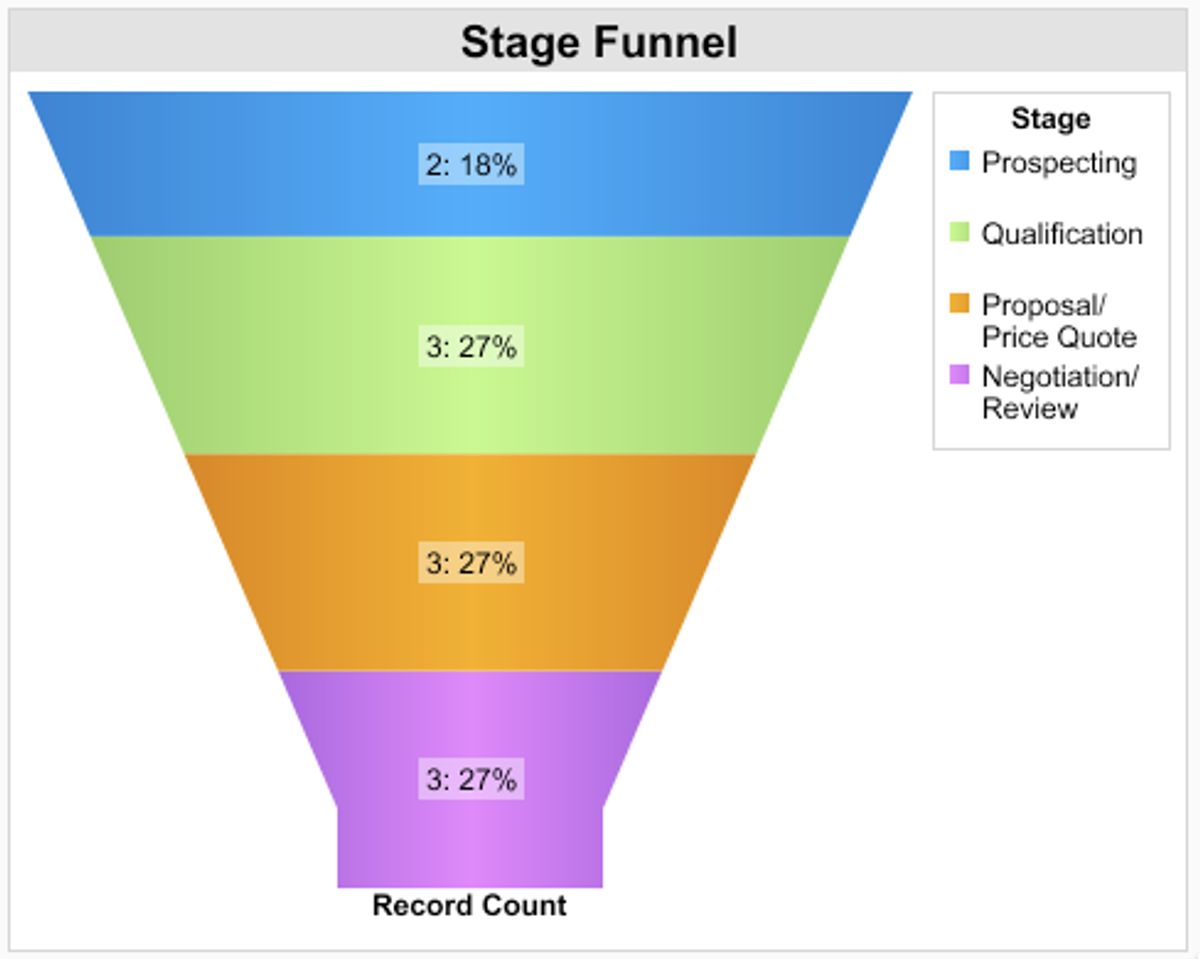
Once I’ve set up my internet marketing funnel, it’s crucial to track its performance meticulously. Monitoring key metrics is essential to understand the effectiveness of each stage of the funnel. Here’s a simple list to help me keep tabs on the funnel’s health:
- Website Visits: Are more people finding their way to my site?
- Conversion Rates: Are visitors taking the desired actions, such as signing up or making a purchase?
- Content Engagement: Are they interacting with my content, reading my blogs, or watching my videos to completion?
By keeping a close eye on these metrics, I can pinpoint where my funnel might be leaking and take corrective action. For instance, if I notice a high bounce rate on a landing page, it might indicate that the content isn’t engaging enough or that the call-to-action (CTA) isn’t clear.
It’s like a continuous cycle of testing and learning. The insights I gain from tracking allow me to make informed decisions, leading to a more optimized funnel over time.
Additionally, I make it a point to leverage various on-site marketing tactics and master search traffic through SEO. This holistic approach ensures that I’m not just driving traffic but also amplifying sales with a well-rounded strategy that includes social media and email marketing.
Analyzing Results and Identifying Improvements
After meticulously tracking my funnel’s performance, I’ve come to realize that analyzing the data is just the beginning. It’s about understanding the story behind the numbers. For instance, I look at conversion rates and bounce rates to pinpoint where potential customers lose interest. Here’s a snapshot of my recent analysis:
| Metric | Before | After |
|---|---|---|
| Conversion Rate | 2.5% | 3.1% |
| Bounce Rate | 45% | 38% |
This table reflects the impact of the optimizations I’ve made. It’s clear that even small changes can significantly affect engagement and sales.
I’ve learned that A/B testing is indispensable. By experimenting with different headlines and calls-to-action, I’ve been able to refine my approach—one change at a time. Plus, this iterative process has taught me more about my audience’s preferences, leading to even more targeted strategies.
Optimizing website design for engagement and sales, leveraging email and social media marketing to build relationships, drive sales, and engage with the target audience effectively has been a game-changer. It’s a continuous cycle of refinement, but each iteration brings me closer to a highly efficient funnel.
A/B Testing for Funnel Refinement
When I delve into the world of A/B testing, I see it as a crucial step in the refinement of my marketing funnel. It’s a methodical approach that allows me to make data-driven decisions. By comparing two versions of a page or element, I can determine which one performs better and make informed changes to enhance my funnel’s effectiveness.
Here’s a simple process I follow:
- Define a clear goal for the test.
- Create two variations, A and B, with only one differing element.
- Run the test simultaneously to a similar audience.
- Collect and analyze the data.
- Implement the more successful version.
Remember, the key to successful A/B testing is to change only one element at a time. This way, I can pinpoint exactly what impacts the performance.
I also keep a close eye on my metrics, tracking conversion rates and bounce rates to identify trends. This ongoing review helps me understand where prospects might be dropping off and which parts of the funnel are excelling. With each test, I’m not just guessing; I’m learning and optimizing my funnel to better serve my audience and my business goals.
Beyond the Sale: Fostering Customer Retention
Building Brand Loyalty and Advocacy
After guiding customers through the purchase, my focus shifts to turning them into brand advocates. This is where the real magic happens, as a happy customer is the best marketer. To achieve this, I ensure that every interaction post-purchase adds value and reinforces their decision to choose my brand.
- Clear calls-to-action and easy checkouts are key here.
- Adoption is crucial, as it ensures customers understand and enjoy their purchase, often through tutorials or customer support.
- Finally, loyalty is built with rewards or engagement, encouraging them to return.
The retention stage in the digital marketing funnel is about creating value that keeps customers coming back. It’s a continuous effort to foster a strong bond that goes beyond the initial sale.
By personalizing offers and employing bold retargeting strategies, I keep my brand at the forefront of their thoughts. And when customers can experience my product firsthand, they’re more likely to become confident advocates. It’s about empowering their voices and equipping them to enhance my brand’s organic reach and credibility.
Implementing Post-Purchase Engagement Strategies
After the thrill of a successful purchase, it’s crucial to maintain the momentum with effective post-purchase engagement strategies. Creating a smoother returns experience is a significant opportunity that many overlook. By making it easy for customers to return or exchange products, we not only build trust but also increase the likelihood of repeat business.
Here are some steps to enhance post-purchase engagement:
- Develop an automated email sequence to guide customers in getting the most out of their purchase.
- Ensure prompt responses to customer service inquiries.
- Solicit product or service feedback through surveys.
- Offer upsells that complement the initial purchase and address further customer needs.
Fostering a positive post-purchase experience is essential. It’s about extending the relationship beyond the sale, turning new buyers into loyal advocates for your brand. By implementing these strategies, we can significantly boost customer satisfaction and retention.
Utilizing Feedback for Continuous Improvement
In my journey to perfect the digital marketing funnel, I’ve learned that feedback is the lifeblood of continuous improvement. It’s not just about collecting data; it’s about actively listening to what that data tells you. I’ve established internal feedback loops, ensuring insights from customer-facing teams inform my marketing strategies.
By embracing a culture of testing and learning, I’ve made incremental changes that compound over time, leading to significant enhancements in my funnel’s performance.
Here’s a simple process I follow:
- Review data and feedback from various sources.
- Hypothesize improvements based on insights.
- Implement changes in a controlled environment.
- Measure the impact and iterate accordingly.
This approach has not only improved my engagement and conversion rates but has also kept my strategies dynamic and responsive to customer needs. Whether it’s refining my email marketing strategies or optimizing sales funnels, the key is to never stop iterating.
Conclusion
Embarking on the journey of building an internet marketing funnel from scratch can be both exhilarating and challenging. Throughout this article, we’ve explored the essential steps to create a powerful digital marketing funnel that can transform prospects into loyal customers. From establishing brand awareness to setting clear marketing goals, customizing conversion funnels, and crafting targeted content for each stage, we’ve covered the strategic blueprint for funnel mastery. Remember, the key to success lies in understanding your audience, leveraging the right tools, and continuously measuring and optimizing your funnels. As you apply these principles, you’ll be well on your way to funneling your way to digital marketing triumph!
Frequently Asked Questions
What are the key stages of the digital marketing funnel?
The digital marketing funnel includes five key stages: Awareness/Discovery, Interest, Decision, Action, and Post-Purchase Engagement. It’s a roadmap that guides potential customers from first learning about your brand to making a purchase and beyond.
How can I tailor a marketing funnel for different business models?
Different business models require different funnel strategies. For instance, an eCommerce store might focus on sales funnels with paid ads to boost product sales, while a content creator might use long-form content to attract email subscribers and sell a course.
What are some effective conversion optimization techniques?
Effective conversion optimization techniques include customizing landing pages, optimizing checkout processes, adding order bumps and one-click upsells, and conducting A/B testing to refine the funnel’s performance.
How do I measure the success of my marketing funnel?
Measure the success of your marketing funnel by tracking performance metrics like conversion rates, click-through rates, and customer acquisition costs. Analyze these results regularly to identify areas for improvement.
What strategies can I use to retain customers after a sale?
To retain customers after a sale, focus on building brand loyalty through post-purchase engagement strategies, such as follow-up emails, loyalty programs, and soliciting customer feedback for continuous improvement.
Can you suggest some types of sales funnels that I can set up?
Sure! Some types of sales funnels you might consider include the opt-in or lead generation funnel, free plus shipping sales funnel, webinar funnel, challenge funnel, and self-liquidating sales funnel. Choose the one that aligns best with your marketing goals and business strategy.
RELATED POSTS
View all