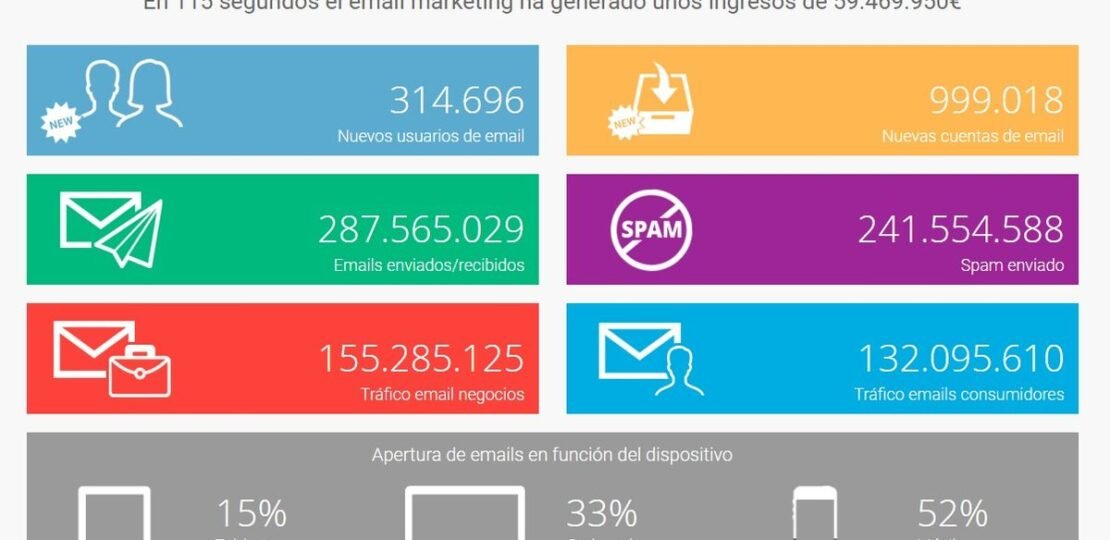
Email marketing remains a pivotal element of digital marketing strategies in 2024, offering high returns on investment and the capacity to reach a broad audience. Crafting successful email campaigns involves a delicate balance of strategic practices and the avoidance of common errors. This article delves into the essential do’s and don’ts of email marketing, providing insights to help you promote your brand effectively and convert leads into loyal customers.
Key Takeaways
- Segment your audience based on behavior and preferences to ensure targeted and relevant messaging that resonates with subscribers.
- Personalize your emails with a focus on providing value, which can lead to enhanced engagement and subscriber loyalty.
- Optimize your emails for mobile devices and test different aspects of your campaigns to achieve the best open rates and overall performance.
- Build a healthy email list by acquiring subscribers ethically and maintaining list hygiene through regular purging of inactive subscribers.
- Adhere to legal compliance by understanding anti-spam laws, privacy regulations, and providing clear unsubscribe options to maintain trust and transparency.
Crafting Effective Email Campaigns
Segmenting Your Audience for Targeted Messaging
I’ve learned that leveraging data to segment your audience is a game-changer for email marketing. By understanding the nuances of my audience’s behaviors and preferences, I can craft messages that hit the mark every time. For instance, I might create different campaigns for those who’ve recently made a purchase and those who haven’t. This approach not only boosts engagement but also fosters a sense of loyalty among subscribers.
Here’s a simple breakdown of how I segment my audience:
- Demographic information (age, location)
- Purchase history and frequency
- Product or service interests
By keeping these categories in mind, I ensure that each subscriber receives content that’s not just relevant, but genuinely engaging. It’s crucial, however, to strike a balance to avoid over-segmentation, which can lead to confusion and dilute the impact of my campaigns.
In my experience, consistent marketing with personalized offers and targeted messaging is key. Especially post-holiday season, this strategy keeps the momentum going and plays a significant role in eCommerce growth.
Personalizing Content to Boost Engagement
I’ve discovered that personalization is the linchpin of successful email marketing. By leveraging data like past purchases and browsing history, I can craft emails that resonate deeply with my subscribers. It’s not just about using their names; it’s about creating a narrative that aligns with their interests and behaviors.
Here’s how I approach personalization:
- Address subscribers by name to foster a connection.
- Include product recommendations based on their past interactions.
- Craft content that reflects their demographic profile.
Remember, the goal is to strike a perfect balance between personalization and privacy. Too much familiarity can be off-putting, so I always respect my subscribers’ boundaries while aiming to deliver value.
By integrating these practices into my email marketing strategies, I’ve seen a significant uptick in engagement. Personalized targeting and dynamic content are not just buzzwords; they are powerful tools that, when used judiciously, can transform the effectiveness of a campaign.
Providing Value to Encourage Subscriber Loyalty
In my journey with email marketing, I’ve learned that building long-term relationships with subscribers is the cornerstone of success. To achieve this, it’s essential to provide value consistently. This means offering exclusive content, discounts, and promotions that are not available elsewhere. Personalization is also key; addressing subscribers by name and tailoring content to their interests shows that you understand and value them.
Here are a few ways to provide actionable content:
- Solve a problem or answer a common question.
- Share tips or advice that subscribers can apply immediately.
- Offer insights or case studies relevant to your audience’s industry or interests.
Consistency in sending emails is crucial, but balance is important. Avoid overwhelming your subscribers with too many emails, as this can lead to unsubscribing. Instead, focus on providing valuable and concise information that is relevant to your subscribers. Keep your emails short and to the point, ensuring the content is easy to read and understand. By doing so, you increase the chances of your subscribers engaging with your emails and taking the desired action.
Optimizing Emails for Better Performance

Designing for Mobile Devices
In the ever-evolving landscape of digital communication, I’ve learned that optimizing emails for mobile devices is not just a good practice; it’s essential. A staggering number of users now access their inboxes from smartphones and tablets, making it imperative to adapt to their habits.
- Use a responsive design that adjusts to various screen sizes.
- Keep subject lines and preheaders clear and concise.
- Ensure call-to-action buttons are easily tappable.
By focusing on these elements, I ensure that my emails are not just seen but also interacted with. It’s about creating an experience that feels seamless and intuitive, regardless of the device.
Remember, the goal is to make every interaction as smooth and engaging as possible. This approach not only enhances user experience but also bolsters the effectiveness of my campaigns.
I also pay close attention to the visual identity of my emails. It’s crucial that they reflect my brand’s image consistently across all platforms. This alignment helps in forming a stronger connection with my audience, as they come to recognize and trust my brand’s visual cues.
Testing and Tweaking for Optimal Open Rates
In my journey to master email marketing, I’ve learned that testing and tweaking are indispensable for achieving optimal open rates. A/B testing has become my go-to method, allowing me to pit different email elements against each other to see which ones truly resonate with my audience. Whether it’s subject lines, calls to action, or the timing of the emails, the insights gained from these experiments are invaluable.
Here’s a simple process I follow:
- Conduct A/B tests on a small segment of my list.
- Analyze open rates, click-through rates, and conversion rates.
- Apply the winning elements to the broader campaign.
By consistently applying this method, I’ve seen a marked improvement in the performance of my emails. It’s a cycle of learning and applying, one that keeps my campaigns fresh and effective.
It’s also crucial to consider the timing of your emails. I experiment with different times of the day and track engagement rates to find that sweet spot. Remember, persistence pays off, but it’s equally important to space out your follow-up emails appropriately to avoid overwhelming your subscribers.
Timing Your Emails for Maximum Impact
I’ve learned that timing is everything when it comes to email marketing. It’s not just about what you say, but when you say it. For instance, I’ve noticed that sending promotional emails during peak shopping hours or before a weekend can significantly increase the response rate. A flash sale email sent with urgency during lunch breaks might prompt immediate action.
Understanding your audience’s habits ensures emails arrive when they’re likely to be noticed. If you’re unsure about the best time to send your emails, don’t hesitate to A/B test different times of the day to find when you get the best engagement rates. Here’s a simple list to get you started:
- Test different times: Experiment with sending emails at different times of the day.
- Understand your audience: Determine the best time based on your target audience’s typical work hours.
- Avoid weekends, holidays, and after-hours: Stick to sending emails on weekdays, ideally in the middle of the week.
Be mindful of the mobile users when writing subject lines because of the limited screen space. Aim for short and impactful subject lines.
Striking the right balance in timing and frequency adds another layer of personalization. Automate your emails based on the recipient’s behavior. For example, if a user typically opens emails in the evening, schedule your messages accordingly.
Building and Maintaining a Healthy Email List

Acquiring Subscribers Ethically
In the ever-evolving landscape of email marketing, one principle remains steadfast: the importance of acquiring subscribers ethically. This not only ensures compliance with anti-spam laws but also lays the foundation for trust and transparency between you and your audience.
FOCUS ON BUILDING LONG-TERM RELATIONSHIPS WITH YOUR SUBSCRIBERS
To ethically grow your email list, consider these strategies:
- Utilize your website: Leverage sign-up forms to offer exclusive content or newsletter subscriptions.
- Respect subscriber preferences: Always obtain consent and provide clear options for unsubscribing.
- Offer value: Provide exclusive discounts, promotions, and content that cater to your audience’s interests.
Remember, the goal is not just to increase numbers but to cultivate a list of engaged and interested individuals who look forward to your emails. By steering clear of practices like sending irrelevant or spammy content, you can maintain a positive brand reputation and foster genuine connections.
Purging Inactive Subscribers to Maintain List Health
I’ve come to realize that a lean, engaged email list is far more valuable than a large, disinterested one. Regularly purging inactive subscribers is essential for maintaining a healthy email list. This not only optimizes my sender reputation but also improves overall engagement rates.
Here’s how I approach this necessary task:
- Identify subscribers who haven’t engaged in a set period, such as six months.
- Send a re-engagement campaign to these inactive subscribers.
- Remove those who do not respond to the re-engagement efforts.
By focusing my resources on an engaged audience, I ensure that my marketing efforts are not just a shot in the dark but a strategic move towards building lasting customer relationships.
It’s a proactive step that enhances cost efficiency and ensures that my campaigns are targeted and personalized. After all, sending emails to those who are genuinely interested is what drives successful email marketing.
Utilizing Double Opt-In for Quality Leads
I’ve found that one of the best ways to maintain email list quality is by implementing a double opt-in process. This not only confirms the interest of your subscribers but also ensures that the email addresses collected are valid and active. Here’s how I approach it:
- Step 1: Integrate a sign-up form on your website, offering exclusive resources or newsletter subscriptions.
- Step 2: Send an automated welcome message asking new subscribers to confirm their subscription.
- Step 3: Verify the leads’ contacts to ensure they fit your Ideal Customer Profile (ICP).
By following these steps, I build a foundation of trust with potential customers, leading to higher engagement rates. It’s a strategy that aligns with the insights from the Understanding Double Opt-in Email – A Comprehensive Guide [2024], emphasizing the importance of a double opt-in strategy.
It’s crucial to remember that the quality of your email list is more important than its size. A smaller, more engaged audience is far more valuable than a large, disinterested one.
Moreover, asking subscribers to whitelist your email address during the opt-in process can significantly improve deliverability. This simple action, recommended by GRIT, ensures that my emails reach the inbox and not the spam folder. And let’s not forget, making unsubscribing easy is just as important for maintaining a healthy relationship with your audience.
Navigating Legal Compliance and Best Practices
Adhering to Anti-Spam Laws
As I navigate the complex landscape of email marketing, adhering to anti-spam laws is a non-negotiable aspect of my strategy. The CAN-SPAM Act is the federal baseline for sending commercial emails, and compliance is not just about avoiding legal repercussions; it’s about ensuring my emails actually reach my audience. To stay on the right side of the law, I make certain that each email:
- Clearly identifies me as the sender in the "from" line
- Contains no deceptive subject lines or transmission information
- Includes my valid postal address
- Provides a straightforward way for recipients to unsubscribe
Non-compliance can be costly, with penalties reaching up to $51,744 per violation. But more than the financial risk, it’s the potential damage to my brand’s reputation that keeps me vigilant.
I also pay close attention to state laws, such as those in California, which may have more stringent requirements. It’s a best practice to comply with the most rigorous elements of all spam laws. Fortunately, many email distribution platforms offer features that assist with this compliance, making it easier for me to focus on dynamic content distribution and crafting messages that resonate with my audience.
Understanding GDPR and Privacy Regulations
In the ever-evolving landscape of email marketing, complying with GDPR and privacy regulations is not just a legal obligation; it’s a cornerstone of consumer trust. As I navigate these waters, I’m reminded that explicit and informed consent is the bedrock of any robust email strategy. This means not only securing a clear ‘yes’ from subscribers but also maintaining transparency about how their data will be used.
Staying out of trouble in 2024 requires a keen understanding of the nuances in privacy laws across different regions. For instance, while Italy and Spain adhere closely to the EU’s GDPR, the Netherlands enforces even stricter consent requirements for email marketing. It’s crucial to tailor your approach to each market, ensuring that your practices align with local laws.
To keep my email campaigns on the right side of the law, I’ve adopted a checklist approach:
- Familiarize with local email marketing laws
- Obtain explicit permission from subscribers
- Confirm permission regularly
- Provide easy access to privacy policies
Lastly, I’ve found that leveraging compliance and deliverability tools is invaluable. These tools not only prevent my emails from being marked as spam but also ensure adherence to various regulations, safeguarding my campaigns against potential legal pitfalls.
Implementing Transparent Unsubscribe Options
In my journey to strategically grow my blogging business with email marketing, I’ve learned the importance of respecting my subscribers’ choices. A crucial aspect of this is providing a transparent unsubscribe option. Here’s how I ensure my subscribers can leave with ease, should they choose to:
- Include a clear and visible unsubscribe link in every email.
- Simplify the process to a one-click action, without any additional steps.
- Offer alternatives such as reducing email frequency or changing content preferences.
It’s not just about legal compliance; it’s about showing respect for the individual’s inbox. By making it straightforward for subscribers to opt-out, I maintain a healthy relationship with my audience and uphold the integrity of my brand.
Remember, neglecting an unsubscribe option can lead to subscribers marking emails as spam or, even worse, reporting you to authorities. Immediate removal of recipients who opt out and polite language in the unsubscribe messaging are non-negotiables. It’s better to part ways amicably than to damage your reputation and potentially face legal repercussions.
Avoiding Common Pitfalls in Email Marketing

Steering Clear of Purchased Email Lists
I’ve learned through experience that buying email lists is a shortcut that backfires. These lists often contain inaccurate data, leading to high bounce rates and a tarnished sender reputation. More importantly, recipients who haven’t chosen to engage with your brand are likely to view your emails as unwelcome, increasing spam complaints.
- Focus on organic growth through opt-ins and valuable content.
- Engage with those who expect to hear from you, like existing clients or prospects.
- Avoid the legal pitfalls that come with non-compliance to privacy laws.
It’s not just about the immediate risks; using purchased lists can have long-term negative effects on your email marketing strategy. The damage to your brand’s reputation and the potential legal consequences far outweigh any perceived short-term gains.
Remember, a healthy email list is not just about quantity, it’s about quality. By nurturing a list of interested and engaged subscribers, I ensure that my email marketing efforts are both effective and ethical.
Creating Concise and Relevant Content
In the ever-evolving landscape of email marketing, I’ve learned that brevity is not just the soul of wit, but also the key to keeping subscribers engaged. Keep your emails short and to the point, ensuring that every word serves a purpose. This approach respects the time of your subscribers and increases the likelihood of them taking action.
When it comes to content, relevance is king. I segment my subscribers to deliver tailored content that resonates with their specific interests and needs. Here’s a simple list of steps I follow to ensure my content hits the mark:
- Identify subscriber segments based on criteria like industry, interests, and behavior.
- Develop content that addresses the unique challenges or interests of each segment.
- Use insights from subscriber interactions to refine content strategies over time.
By focusing on providing valuable and concise information that is relevant to your subscribers, you can foster a relationship built on trust and mutual benefit.
Remember, while video content is essential in internet marketing, it’s crucial to balance multimedia with text that is quick to digest. Trends indicate a shift towards short-form videos, but in email campaigns, concise text can be just as powerful for engagement.
Proofreading to Maintain Professionalism
In my journey through email marketing, I’ve learned that attention to detail is paramount. A single typo can tarnish the professional image we strive to present. To ensure my emails are polished, I follow a checklist before hitting send:
- Review for spelling and grammatical errors
- Check for proper punctuation and capitalization
- Confirm that links are working and lead to the correct pages
- Verify the accuracy of any data or statistics included
It’s not just about fixing typos; it’s about conveying respect for the recipient’s time and experience.
I also leverage email marketing for community building by offering exclusive content, maintaining consistency, and engaging with the audience. This approach has proven effective, as it aligns with the broader marketing strategy that includes harnessing SEO for blog success through keyword research and optimization. Remember, a well-crafted email reflects your brand’s commitment to quality in every interaction.
Conclusion
As we’ve navigated through the intricate landscape of email marketing in 2024, it’s clear that the balance between strategic engagement and respectful communication is paramount. By segmenting your audience, personalizing content, and delivering value, you can build campaigns that resonate with subscribers and drive conversions. Conversely, avoid the pitfalls of purchasing lists, spamming inboxes, and neglecting the nuances of your email’s design and content. Remember, the power of email marketing lies in its ability to forge connections—treat each message as an opportunity to strengthen the relationship with your audience. For those seeking further guidance or support, don’t hesitate to reach out to marketing experts who can help refine your strategy and amplify your results.
Frequently Asked Questions
What are the key components of crafting effective email campaigns in 2024?
Effective email campaigns in 2024 should focus on segmenting your audience for targeted messaging, personalizing content to boost engagement, and providing value to encourage subscriber loyalty.
How can I optimize my emails for better performance?
To optimize your emails, you should design them for mobile devices, test and tweak them for optimal open rates, and time your emails to ensure they are sent when they will have the maximum impact.
What are the best practices for building and maintaining a healthy email list?
Best practices for a healthy email list include acquiring subscribers ethically, purging inactive subscribers to maintain list health, and utilizing double opt-in to ensure you gather quality leads.
What legal aspects should I consider in email marketing?
When engaging in email marketing, it’s crucial to adhere to anti-spam laws, understand GDPR and privacy regulations, and implement transparent unsubscribe options to stay compliant.
What are common pitfalls in email marketing that I should avoid?
Common pitfalls to avoid in email marketing include steering clear of purchased email lists, creating concise and relevant content, and proofreading emails to maintain professionalism.
How important is personalization in email marketing?
Personalization is extremely important in email marketing as it helps to capture the recipient’s interest and can lead to higher engagement and conversion rates.
RELATED POSTS
View all