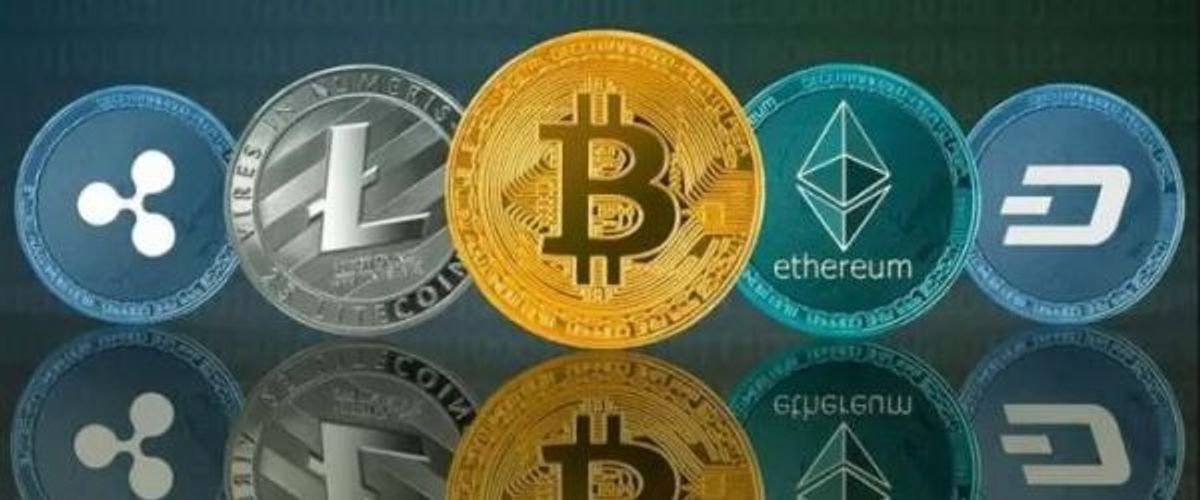
Investing in cryptocurrencies can be a rewarding but risky endeavor. With the promise of high returns and portfolio diversification, it also brings challenges such as volatility, security risks, and regulatory uncertainty. In this article, we explore the nuanced landscape of cryptocurrency investments, highlighting the risks and rewards, and providing strategies to navigate this dynamic market. Whether you’re a seasoned investor or new to the crypto space, understanding these factors is crucial for making informed decisions.
Key Takeaways
- Cryptocurrency investments carry significant risks, including market volatility, lack of intrinsic value, and potential regulatory changes.
- The potential rewards of cryptocurrency investments include high return possibilities, portfolio diversification, and exposure to innovative technology.
- Success in cryptocurrency investing requires thorough research, understanding market trends, and implementing effective risk management strategies.
- For new entrants, identifying promising coins, analyzing whitepapers, and assessing community support are vital steps in making strategic investments.
- Determining an investment threshold involves calculating affordable loss, balancing risk with reward, and setting clear, diversified investment goals.
Understanding the Risks of Cryptocurrency Investment

Volatility and Market Fluctuations
When I first dipped my toes into the world of cryptocurrency, the term ‘volatility’ was thrown around quite a bit. It quickly became clear that this wasn’t an exaggeration. The prices of digital currencies can soar or plummet in the blink of an eye, influenced by factors ranging from market sentiment to regulatory news. This inherent instability is a double-edged sword; it’s the source of both sleepless nights and the potential for extraordinary gains.
Here’s a snapshot of what volatility in the crypto market can look like:
- Sudden spikes in value following positive news or technological breakthroughs.
- Sharp declines in response to negative press or regulatory crackdowns.
- Unpredictable market behavior during periods of intense speculation and hype.
The key to navigating these turbulent waters is to remain informed and agile. While we can’t predict every market movement, staying abreast of the latest developments can help us make more educated decisions.
The volatility of cryptocurrencies is akin to a wild ride, one that requires a strong stomach and an even stronger strategy. As I continue to invest, I’ve learned to expect the unexpected and to appreciate the role that these fluctuations play in the broader investment landscape.
Lack of Intrinsic Value and Government Backing
One of the most debated aspects of cryptocurrency is its lack of intrinsic value. Unlike traditional investments such as stocks or real estate, which are tied to tangible assets or business performance, cryptocurrencies are not backed by physical commodities or the financial strength of a government. This absence of a traditional safety net raises concerns among investors about the true worth of digital currencies.
The value of cryptocurrencies is largely driven by market perception and investor sentiment. Without intrinsic value or government backing, they are susceptible to extreme volatility and could potentially become worthless overnight.
Here’s a quick rundown of the key points to consider when evaluating the intrinsic value and government backing of cryptocurrencies:
- Some proponents argue that crypto has intrinsic value because it can serve as a decentralized form of currency, free from government control and censorship.
- Critics point out that cryptocurrencies have no intrinsic value and are not backed by anything tangible.
- The supply of certain cryptocurrencies, like Bitcoin, is capped, which some argue creates scarcity similar to precious metals like gold.
- The lack of government backing means that cryptocurrencies are not protected by the "Full Faith and Credit" clause, which can be a double-edged sword: it allows for freedom from government intervention but also means there is no safety net in case of failure.
Regulatory Changes and Legal Implications
Navigating the regulatory landscape of cryptocurrency investments is akin to steering through a maze of evolving rules and unexpected turns. The ever-changing legal environment can turn a promising investment into a complicated legal challenge. With governments worldwide still in the process of defining their stance on cryptocurrencies, the risk of regulatory changes looms large over investors.
- Evolving legal and regulatory landscape
- Compliance requirements
- Checking your status
- Paying fees
Regulatory uncertainty is another potential risk for cryptocurrency investors. As governments continue to grapple with how to regulate cryptocurrencies, there is a risk that new regulations could negatively impact the value of cryptocurrencies.
For instance, changes in tax rules could significantly affect your investment planning, and a government ban on cryptocurrencies could cause the value of your assets to plummet. It’s crucial to stay informed and agile, ready to adapt your investment strategy to the shifting sands of legal and regulatory demands.
Security Concerns and Fraud Risks
As I delve deeper into the world of cryptocurrency, I’ve come to realize that the lack of regulation not only adds a layer of excitement but also introduces significant security concerns and fraud risks. Cryptocurrencies, by their very nature, are not regulated like traditional investments, which makes them a tantalizing target for scams and cyber attacks. To navigate this treacherous terrain, I’ve learned the importance of due diligence, especially when selecting exchanges and wallets.
The recent $160 million loss by Wintermute, a London-based cryptocurrency firm, due to a hack, is a stark reminder of the security risks inherent in digital exchanges. These platforms, often preferred by cryptocurrency owners, are susceptible to both hackers and technical glitches.
Here’s a list of warning signs that I keep an eye out for to steer clear of potential scams:
- Unusually high returns promised with little to no risk
- Pressure to invest quickly or miss out on a ‘once-in-a-lifetime’ opportunity
- Lack of clear information about the investment or the entity behind it
- Payment methods that lack protections, such as wire transfers or cryptocurrencies
In my journey, I’ve also come across studies and government resources that shed light on the prevalence of cryptocurrency fraud. One such study, titled ‘Cryptocurrency Risks, Fraud Cases, and Financial Performance,’ examines major cryptocurrencies and presents notable fraud cases alongside an analysis of financial performance. Additionally, resources like ‘Cryptocurrency Risks – CT.gov‘ offer valuable insights into the warning signs of investment fraud, including the risks associated with virtual currency kiosks or ‘Bitcoin ATMs.’
Evaluating the Potential Rewards of Cryptocurrency
High Return Possibilities
I’ve always been captivated by the potential for high returns in cryptocurrency investments. It’s not uncommon to hear about early adopters who turned modest investments into fortunes. This is particularly true for those who have managed to identify promising new currencies in their infancy. With the right research and timing, returns can be staggering, sometimes exceeding 1000%.
However, these opportunities come with their own set of challenges. The volatility of the market means that while it can lead to significant gains, it can also result in substantial losses. It’s a double-edged sword that requires careful consideration and a strong stomach for potential swings.
The allure of striking gold with a new cryptocurrency is undeniable. Buying in at the early stages can lead to dramatic price surges, but it’s essential to remember that with high potential rewards come equally high risks.
Here’s a quick look at how high-growth stocks have performed compared to the broader market:
| High-growth Stocks | Return | S&P Return |
|---|---|---|
| Returns as of 03/08/2024 | 269% | 127% |
Cryptocurrency mining profitability in 2024 is influenced by technological advancements, diversification, and operational efficiency. The Bitcoin halving event and market dynamics are crucial in shaping future mining revenue.
Diversification of Investment Portfolio
I’ve come to appreciate the unique role that cryptocurrencies play in diversifying my investment portfolio. Unlike traditional assets like stocks and bonds, cryptocurrencies often march to the beat of their own drum, exhibiting low correlation with these asset classes. This characteristic can be a boon for my portfolio’s health, especially during market downturns.
- Diversification: By spreading my investments across various cryptocurrencies and other asset classes, I can mitigate risk effectively. This strategy is crucial if one of my investments underperforms.
- Setting clear boundaries: It’s important to establish profit targets and stop-loss limits to guide my selling decisions. This helps reduce the influence of emotions on my investment choices.
In my experience, a diversified portfolio is not just about having a variety of assets; it’s about strategically selecting those that can withstand the test of time. For each cryptocurrency I consider, I ensure I have a solid investment thesis.
For instance, if the stock and bond markets are struggling, my crypto holdings might be on the rise, providing a counterbalance and potentially better returns. Learning to create a well-balanced crypto portfolio has been an invaluable part of my investment journey.
Innovation and Technological Advancement
The allure of cryptocurrency investment is not just the potential for financial gain, but also the excitement of being part of groundbreaking projects. These projects often involve novel blockchain technologies, unique use cases, or real-world solutions that offer both financial and personal satisfaction. The rapid evolution of the blockchain ecosystem is a testament to its boundless implementations across various industries, from finance to healthcare.
However, the cutting-edge technology elements of cryptocurrency also increase the risks for investors. Much of the tech is still being developed and is not yet extensively proven in real-world scenarios. This uncertainty necessitates a cautious approach, where I balance the potential for innovation with the reality of the technology’s current state.
The rise of cryptocurrency and blockchain technology is paving the way for a new era of digital innovation, with applications that extend far beyond traditional financial systems.
The success stories in the crypto space often stem from their innovative technology that caters to specific market needs. For example, Ethereum revolutionized the space with smart contracts, while Solana introduced a high-speed blockchain solution. These advancements underscore the importance of staying informed and agile in the rapidly changing landscape of cryptocurrency.
Market Timing and Strategic Investments
In the realm of cryptocurrency, timing the market is a strategy that many attempt, but few master. It’s the art of predicting price movements to buy low and sell high. However, the volatile nature of crypto markets makes this a high-risk approach. On the other hand, the philosophy of ‘time in the market’ suggests that long-term holding can potentially yield better results, as it allows investors to ride out the fluctuations and benefit from overall growth.
While active investing in cryptocurrency, such as day trading, can be lucrative, it requires a deep understanding of market trends and continuous monitoring. Passive strategies, conversely, focus on long-term gains and often involve less stress and time commitment.
Here are some key considerations for strategic crypto investments:
- Understanding the technology and market dynamics
- Evaluating market sentiment
- Reducing emotional decision-making
- Avoiding FOMO (Fear Of Missing Out)
- Choosing a secure and reputable trading platform
Each strategy has its own set of risks and rewards, and what works for one investor may not work for another. It’s crucial to assess your own risk tolerance and investment goals before diving into the world of crypto trading.
Assessing the Probability of Success in Crypto Investments
Historical Performance and Trends
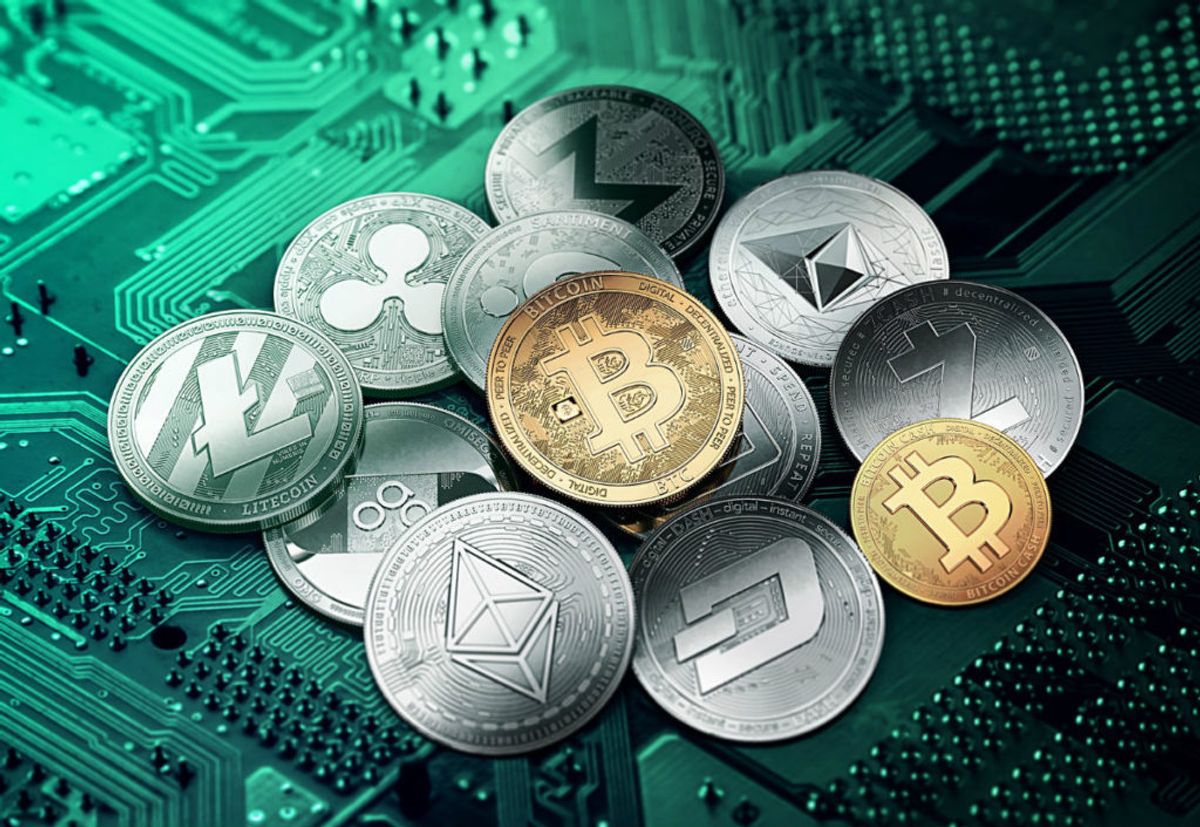
Reflecting on my journey in cryptocurrency investment, I’ve witnessed firsthand the tumultuous nature of the market. The popularity of cryptocurrency has grown, making access to crypto easier, yet the asset remains incredibly volatile. For instance, in 2022, the market experienced significant fluctuations.
While past performance is not indicative of future results, analyzing historical trends can provide valuable insights into the market’s behavior.
Here’s a snapshot of the high-growth stock performance compared to the S&P return as of March 8, 2024:
| Investment Type | Return (%) | S&P Return (%) |
|---|---|---|
| High-growth Stocks | 269 | 127 |
This table illustrates the potential for high returns in the cryptocurrency market, but it also underscores the importance of due diligence and understanding the underlying factors driving market movements. Speculation and hype often play significant roles, and staying informed about significant trends, such as the integration of AI and big data in finance, is crucial.
The Role of Research and Due Diligence
In my journey through the crypto landscape, I’ve learned that due diligence is the cornerstone of successful investment. It’s not just about the potential of high returns; it’s about understanding what you’re investing in.
Here’s a simple checklist I follow:
- Research the project and its team’s background.
- Analyze the whitepaper for technical and strategic insights.
- Evaluate market sentiment and the coin’s performance history.
- Look for transparency and risk disclosures from the project.
Due diligence is more than just a task; it’s a continuous process that adapts as the market evolves.
Remember, the crypto market is unregulated in many aspects, making it essential to be both curious and cautious. Diversify your investments to manage risks effectively and aim for financial stability. This approach has helped me not only to spot promising opportunities but also to steer clear of common pitfalls and scams.
Understanding Market Sentiment and Indicators
When I delve into the world of cryptocurrency investing, I’ve learned that grasping market sentiment and indicators is pivotal. It’s not just about the numbers; it’s about the mood and outlook of the community and investors. A vibrant, engaged community can signal a strong future for a cryptocurrency, while positive sentiment among experts may hint at a bullish trend.
- Evaluate community engagement
- Assess investor sentiment
- Analyze expert opinions
In my experience, these qualitative measures are as crucial as the hard data. They provide a nuanced understanding of a cryptocurrency’s potential that goes beyond mere statistics.
I also pay close attention to liquidity in the market, as it can greatly affect my entry and exit points. By combining these insights with a long-term approach and robust risk management, I aim to make informed decisions that align with my investment goals. It’s about cutting through the noise and focusing on the substance of the project, rather than getting caught up in the hype.
Risk Management Strategies
In my journey through the cryptocurrency landscape, I’ve learned that managing risk is not just a suggestion, it’s a necessity. Diversification is a cornerstone of my strategy, ensuring that my investments are spread across various cryptocurrencies and asset classes. This approach helps buffer against the inevitable ups and downs of individual investments.
Setting clear boundaries for my investments has been crucial. I only invest what I can afford to lose and have established profit targets and stop-loss limits. These boundaries are my compass, guiding me through the emotional storms of the market.
Avoiding the trap of FOMO has also been pivotal. I resist the urge to make hasty decisions based on others’ success, and instead, invest thoughtfully, rather than reacting to market hype. Additionally, choosing a secure platform is non-negotiable. The safety of my investments largely depends on the platform’s reliability.
Here’s a quick rundown of my risk management tactics:
- Diversify across different cryptocurrencies and asset classes
- Set clear investment boundaries and adhere to them
- Establish profit targets and stop-loss limits
- Avoid FOMO and invest based on thorough research
- Choose a secure and reputable trading platform
Investment Strategies for New Cryptocurrency Entrants

Identifying Promising New Coins and Tokens
When I delve into the world of new cryptocurrencies, I’m always on the lookout for those with the potential to become the next big thing. Conducting thorough research on the project and its team is my first step. I scrutinize the team’s experience and the project’s goals to gauge credibility and feasibility. It’s a bit like detective work, piecing together clues to predict success.
I also pay close attention to the maximum supply of tokens, as this can influence a coin’s future value. Most cryptocurrencies have a pre-determined maximum supply, and once that cap is reached, no new tokens will be produced. This scarcity can drive up demand, much like the effect of limited edition items in the collectibles market.
In this speculative venture, it’s essential to navigate with caution and informed judgment. The allure of new coins is undeniable, but so are the risks. It’s a balance between the thrill of discovery and the discipline of strategic investment.
Finally, I always keep an eye out for red flags that might indicate scams or frauds. The excitement of investing in new cryptocurrencies is often tempered by the potential for deceit. It’s a reminder that in the world of emerging digital currencies, not all that glitters is gold.
Analyzing Whitepapers and Developer Intentions
In crypto, the path to sound investment begins with a thorough understanding of whitepapers. These documents are the cornerstone of any digital asset, providing insight into the technology and the team’s vision. It’s crucial to check what problem the coin aims to solve and how its technology functions. A clear, well-written whitepaper that presents a unique, viable technology is a promising indicator.
Before diving into any cryptocurrency investment, I always take the time to research the project and the team behind it. Knowing the team’s experience and background is essential in assessing the project’s credibility.
A credible team with a realistic plan is a key indicator of potential success. Additionally, the community’s engagement and investor sentiment can provide valuable insights into the project’s prospects. A robust and active community, along with positive sentiment, often suggests bullish prospects for the cryptocurrency.
Community Support and Ecosystem Health
I’ve come to realize that the health of a cryptocurrency’s ecosystem is as vital as its technology. A strong community not only fosters innovation but also provides a network of support that can propel a project to success. For instance, Ethereum’s robust community of developers and enthusiasts has been a cornerstone of its growth.
- Community engagement: Active participation in forums, social media, and events
- Developer activity: Number of contributors and frequency of code updates
- Network effects: User growth and transaction volume
The importance of a strong community cannot be overstated. It’s the lifeblood that sustains a project through thick and thin, driving both awareness and adoption.
Evaluating the community involves looking at various aspects, from the vibrancy of discussions to the commitment of its members. It’s not just about numbers; it’s about the quality of interactions and the shared vision for the project’s future.
Long-Term vs. Short-Term Investment Approaches
When I consider my journey in the cryptocurrency market, I’ve come to appreciate the distinct paths one can take: the adrenaline-fueled short-term trading or the patient, growth-oriented long-term investing. The key to success lies in aligning investment strategies with personal financial goals and risk tolerance.
- Short-term investments often involve frequent trading based on market trends and technical analysis. While they can yield quick profits, they also require constant vigilance and can incur higher transaction costs.
- Long-term investments, on the other hand, focus on the potential of cryptocurrencies to revolutionize industries and create new economic paradigms. This approach benefits from compounding and requires less day-to-day management.
In the realm of long-term investment, opportunities for passive income through staking, DeFi, and dividends are particularly compelling. Diversification and digital content creation are key for long-term growth and achieving financial freedom.
Ultimately, whether I choose to engage in short-term trading or long-term holding, I must remain cognizant of the market’s volatility and the importance of a well-researched strategy. It’s not just about picking winners, but also about understanding when to hold firm and when to cut losses.
Determining Your Investment Threshold: How Much to Risk

Calculating Affordable Loss
When I step into the world of cryptocurrency investments, I’m acutely aware that it’s not just about the potential gains; it’s about understanding what I can afford to lose. Determining my affordable loss is crucial to making informed decisions that align with my financial stability.
To calculate my affordable loss, I start by reviewing my financial situation, considering my income, expenses, and emergency funds. I ensure that the money I’m willing to invest won’t affect my ability to cover essential costs or handle unexpected emergencies. Here’s a simple breakdown of how I approach this calculation:
- Income: Total monthly income after taxes
- Expenses: Monthly living expenses (rent, utilities, groceries, etc.)
- Savings: Amount set aside for emergencies and future plans
- Investable Amount: Income minus expenses and savings
By using this formula, I can determine the maximum amount I can invest without jeopardizing my financial health. For example, if I have a monthly income of $5,000, monthly expenses of $3,000, and I aim to save $500, my investable amount would be $1,500. This is the sum I can consider using for cryptocurrency investments.
It’s essential to remember that the cryptocurrency market is unpredictable, and I should only invest what I’m prepared to lose without it impacting my overall quality of life.
Balancing Risk and Reward
In my journey through the cryptocurrency landscape, I’ve learned that balancing risk and reward is crucial. It’s about finding that sweet spot where the potential gains justify the risks taken. Here’s how I approach it:
- Diversification: I spread my investments across various cryptocurrencies and other asset classes like stocks and real estate. This strategy helps mitigate risk if one investment underperforms.
- Setting clear boundaries: I only invest what I can afford to lose. I establish profit targets and stop-loss limits to guide my selling decisions, reducing emotional decision-making.
While the allure of high returns can be tempting, I always remind myself to consider my financial goals and liquidity needs before making any investment decisions. It’s about being prudent and not letting the fear of missing out dictate my actions.
Understanding the delicate balance between risk and reward has been a pivotal part of my investment strategy. By doing my due diligence and keeping security risks in mind, I aim to minimize potential losses while still positioning myself for meaningful gains.
Setting Clear Investment Goals
After defining my investment goals, I’ve realized the importance of setting clear and achievable targets. By establishing clear limits for gains and losses, I can create a framework that guides my decisions and prevents emotional responses to market changes. This approach aligns with the SMART objectives strategy, ensuring that my goals are Specific, Measurable, Achievable, Relevant, and Time-bound.
- Diversify investments across cryptocurrencies and other asset classes.
- Set boundaries on investment amounts to only what I can afford to lose.
- Establish profit targets and stop-loss limits to guide selling decisions.
- Avoid FOMO by researching thoroughly and investing thoughtfully.
It’s crucial to resist the urge to make hasty decisions based on the success of others or market hype. A thoughtful investment is one that considers long-term potential and the overall health of my financial portfolio.
Choosing a secure and reputable trading platform is also a key part of my strategy. The safety of my investments depends on the platform’s reliability and customer support. This, combined with a long-term mindset, can help me realize significant gains from my cryptocurrency investments.
Creating a Diversified Investment Plan
As I delve into the world of cryptocurrencies, I’ve learned that diversification is key to managing risk. It’s not just about spreading my investments across different cryptocurrencies; it’s about integrating them into my broader investment portfolio, which includes stocks, bonds, and perhaps even real estate. This strategy is crucial for mitigating the impact if one of my investments underperforms.
To ensure I’m not overexposed to any single asset, I follow a simple yet effective plan:
- Identify a set of cryptocurrencies with varying use cases and market positions.
- Allocate a portion of my portfolio to established market leaders.
- Invest in a mix of smart contract platforms and utility tokens.
- Set clear boundaries for investment, such as only investing what I can afford to lose.
- Establish profit targets and stop-loss limits to manage my selling decisions objectively.
By adhering to these principles, I create a safety net for my investments, reducing the likelihood of significant losses due to emotional decision-making or market volatility.
The idea is to have a well-rounded portfolio that can withstand the ebbs and flows of the market. For instance, if the stock market dips, my crypto assets might provide a counterbalance, potentially offering better returns and protecting my overall portfolio.
Conclusion
In conclusion, cryptocurrency investment presents a complex landscape of high risks and potential high rewards. The lack of intrinsic value, the possibility of increased supply, and the absence of government backing make it a volatile and uncertain market. However, for those who have done their research, understand the risks, and are willing to invest only what they can afford to lose, there can be significant rewards. Success stories of early investors and the potential for market timing underscore the lucrative possibilities. Yet, it is crucial to remain cautious, stay informed about regulatory changes, and diversify investments to mitigate risks. Ultimately, the decision to invest in cryptocurrency should be made with a clear understanding of the possible outcomes and a readiness to face the market’s unpredictability.
Frequently Asked Questions
What are the risks of investing in cryptocurrency?
The risks include volatility and market fluctuations, lack of intrinsic value and government backing, regulatory changes and legal implications, and security concerns and fraud risks.
What are the potential rewards of investing in cryptocurrency?
Potential rewards consist of high return possibilities, diversification of investment portfolio, innovation and technological advancement, and the opportunity for market timing and strategic investments.
What are the chances of success in cryptocurrency investments?
The chances of success depend on historical performance and trends, thorough research and due diligence, understanding of market sentiment and indicators, and employing risk management strategies.
How much can I afford to lose in cryptocurrency investments?
You should only invest money that you can afford to lose, considering the high risk associated with cryptocurrency investments. Calculate your affordable loss and balance risk and reward accordingly.
How can I minimize risks when investing in new cryptocurrencies?
To minimize risks, identify promising new coins and tokens, analyze whitepapers and developer intentions, assess community support and ecosystem health, and choose between long-term vs. short-term investment approaches.
How should I approach creating a diversified cryptocurrency investment plan?
Create a diversified investment plan by setting clear investment goals, calculating affordable loss, balancing risk and reward, and considering a mix of different cryptocurrencies and investment strategies.
RELATED POSTS
View all