

Blogging For Business: How To Generate Leads
March 12, 2024 | by Winson Yeung
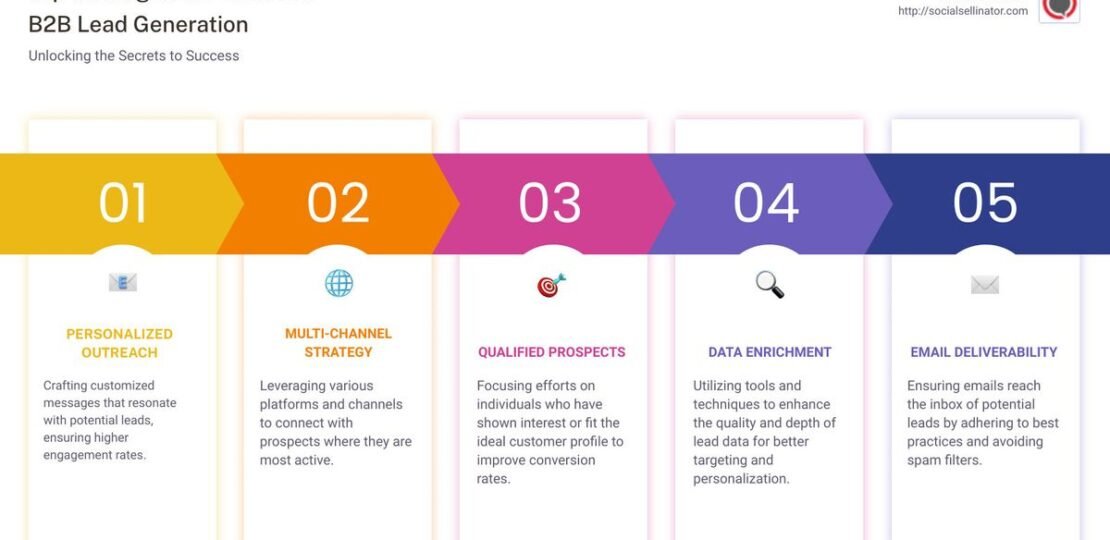
Blogging is a powerful strategy for businesses looking to enhance their lead generation efforts. By delivering valuable content, engaging with readers, and implementing strategic promotions, businesses can attract and convert potential customers into leads. This article explores the multifaceted role of blogging in lead generation and provides actionable insights for businesses to leverage their blogs effectively.
Key Takeaways
- Blogging serves as a dynamic platform for attracting potential customers and establishing industry authority, ultimately aiding in lead generation.
- A well-crafted content strategy tailored to the target audience and a balanced mix of informational and promotional content are crucial for a successful business blog.
- Optimizing blog content with compelling call-to-actions and strategic lead capture forms can significantly enhance lead conversion rates.
- Promotion of blog content through social media, influencer collaborations, and email marketing is essential to reach a wider audience and generate more leads.
- Regularly measuring and analyzing blog performance through KPIs and analytics helps in refining strategies and improving lead nurturing over time.
Understanding the Role of Blogging in Lead Generation
Attracting Potential Customers with Quality Content
In my journey to harness the power of blogging for business, I’ve learned that quality content is the cornerstone of attracting potential customers. It’s not just about churning out articles; it’s about crafting content that resonates with the needs and interests of my target audience. By providing valuable insights and information, I establish a connection with readers that can lead to trust and, ultimately, conversion.
Here’s a simple truth: Blogging is a powerful tool for brand visibility and engagement. Strategies like storytelling, SEO optimization, audience interaction, and email marketing for community building are essential components of my content strategy. Each blog post is an opportunity to address the concerns of my audience, offer solutions, and invite them to engage further with my brand.
By consistently delivering content that adds value, I not only inform and educate my prospects but also build a community around my brand. This approach has proven to be a reliable method for generating leads and creating brand advocates.
To effectively attract and engage potential customers, I focus on several key areas:
- Storytelling to connect on a personal level
- SEO optimization to increase online visibility
- Audience interaction to foster relationships
- Email marketing to nurture community ties
These elements work in tandem to not only draw in readers but also to convert them into leads. It’s a strategy that requires patience and persistence, but the rewards are well worth the effort.
Establishing Industry Authority
In my journey of blogging for business, I’ve learned that establishing authority is pivotal. By consistently sharing insights and advice tailored to my industry, my blog has become a beacon for those seeking expertise. It’s not just about visibility; it’s about becoming the trusted expert my target customers turn to.
By focusing on the issues my audience faces, I’ve nurtured a space where trust and credibility flourish. This isn’t an overnight achievement but a rewarding process that solidifies my standing in the industry.
Here’s how I approach building authority through my blog:
- Sharing industry trends and offering my analysis to position myself as a thought leader.
- Addressing customer challenges by providing solutions, which showcases my expertise.
- Diving deep into my products or services to educate readers, highlighting benefits and preemptively tackling concerns.
- Crafting listicles and how-to guides that offer valuable information in an easily digestible format.
The Mechanics of Converting Readers to Leads
Once I’ve attracted readers with compelling content and established my blog as an authority in the industry, the next step is to convert these readers into leads. The key is to provide value in a way that naturally leads to engagement. For instance, offering premium content like eBooks or whitepapers can be an effective strategy. I place CTAs strategically within my posts or on the sidebar, guiding readers to a landing page where they can exchange their contact details for valuable content. This not only gives me a lead to nurture but also sets the stage for converting them into customers over time.
The journey from reader to lead is a delicate one, and it’s crucial to balance the value offered with the information requested.
Here are a few tips to optimize lead-generation efforts:
- Track form conversions to reduce abandonment.
- Employ A/B testing to refine opt-ins.
- Utilize multiple opt-in locations for maximum effect.
- Experiment with design elements like colors and multimedia.
- Create diverse lead magnets for different website areas.
- Prioritize user experience to avoid overwhelming visitors with distractions.
It’s also essential to think beyond the initial lead generation. An effective follow-up strategy is vital for maintaining long-term sources of leads and nurturing them towards becoming loyal customers.
Crafting a Content Strategy for Your Business Blog

Identifying Your Target Audience
When I embarked on the journey of blogging for my business, I quickly realized that identifying my target audience was paramount. It’s not just about knowing who they are, but also understanding their needs, preferences, and the challenges they face. This insight is what shapes the content I create, ensuring it’s not only informative but also deeply resonant with those I aim to reach.
To get started, I considered the products and services I offer. For example, if I were selling a revolutionary air-conditioning system, it wouldn’t make sense to target individuals in colder climates where such a product isn’t a necessity. Instead, I’d focus on regions where the climate demands it, tailoring my content to address the specific pain points of living in a hot environment.
It’s essential to avoid the common pitfall of not understanding your audience. Thorough market research and a clear grasp of their needs can transform your blog from a mere information portal to a powerful lead generation tool.
Here’s a simple list to help me stay on track:
- Define clear goals for my blog: brand awareness, lead generation, etc.
- Analyze my products and services to understand who benefits the most from them.
- Assess my existing clients to find common characteristics.
- Conduct market research to fine-tune my understanding of potential customers.
By following these steps, I’m not just choosing an audience; I’m building a community around my blog.
Planning Your Content Calendar
After pinpointing who my target audience is, I’ve realized the importance of a content calendar. It’s not just about throwing together random posts; it’s about crafting a narrative that resonates with my readers. A content calendar is my roadmap, guiding me through the topics and themes that will engage my audience and keep them coming back for more.
Here’s how I approach it:
- DECIDE ON CONTENT: I brainstorm topics that align with my expertise and the interests of my audience. Whether it’s industry insights, tutorials, or trend analysis, I ensure variety and relevance.
- EDITORIAL CALENDAR: I use a calendar to schedule my posts, starting with a manageable frequency. Consistency is key, so I aim for at least a weekly post to maintain a steady presence.
- CONTENT FLOW: I visualize the journey of my content, from creation to the lead capture page. Budgeting is part of this step, as quality content is an investment.
In this journey, I’ve learned that a well-planned content calendar is not just a tool for organization—it’s a strategic asset that can drive my lead generation efforts.
As I plan, I keep in mind that my content should not only attract but also convert. It’s about finding the sweet spot where informative meets persuasive, leading my readers down a path to my lead capture page.
Balancing Informational and Promotional Content
In my journey to create a successful business blog, I’ve learned that the key to generating leads is not just about bombarding readers with promotions. It’s about striking the right balance between informational and promotional content. This approach ensures that my audience sees value in what I’m sharing, which in turn, builds trust and credibility.
To achieve this balance, I consider the different content types that resonate with my subscribers. For instance, I include news, tips, freebies, and challenges to keep them engaged. How-to guides are particularly effective for nurturing leads, as they provide practical value and position my blog as a helpful resource. Meanwhile, promotions and anticipatory product announcements are strategically placed to drive sign-ups and boost my email list growth.
The art of balancing content is akin to preparing a gourmet meal – the right mix of spices can turn a good dish into an unforgettable experience. Similarly, a well-crafted blog post that combines educational material with a subtle promotional touch can leave a lasting impression on readers, encouraging them to return and eventually convert into leads.
Optimizing Blog Content for Lead Conversion

Incorporating Effective Call-to-Actions
In my journey to optimize my blog for lead conversion, I’ve learned that call-to-actions (CTAs) are the linchpin of lead generation. They are not just prompts; they are strategic signposts that guide my readers through the sales funnel, transforming them from casual browsers into potential leads.
Crafting a CTA is an art in itself. It demands action-oriented language, a touch of urgency, and a design that catches the eye. But it doesn’t end there. I constantly test and tweak my CTAs, because what works today might not resonate tomorrow.
Here’s a simple list of CTA best practices I adhere to:
- Use action-oriented language
- Create a sense of urgency
- Make the CTA visually appealing
- Test different CTAs for performance
And let’s not forget the different types of CTAs at our disposal. Text-based CTAs integrate seamlessly within my content, while image-based ones add a visual punch. Occasionally, I’ll use a pop-up CTA for that unavoidable nudge, though I’m careful not to disrupt the reader’s experience.
Remember, a well-placed CTA promoting an eBook or a whitepaper can be incredibly effective. It’s not just about telling my readers what they could do; it’s about showing them why they should do it, without coming off as pushy. It’s about providing value and then, almost as an afterthought, offering them a chance to engage deeper with trials or downloads.
Using Lead Capture Forms Strategically
In my journey to optimize lead generation, I’ve learned that strategically placed lead capture forms are pivotal. By embedding forms within high-traffic blog posts, I ensure that readers are seamlessly prompted to engage further. Here’s a quick rundown of best practices I’ve adopted:
- Track form conversions to understand and reduce abandonment rates.
- Employ A/B testing to refine form design and copy for better opt-ins.
- Distribute opt-in forms across various locations on the site to maximize visibility.
- Experiment with form aesthetics, including colors and multimedia elements.
- Offer diverse lead magnets, such as eBooks or whitepapers, to cater to different interests.
Remember, the goal is to make the process as intuitive and unobtrusive as possible, enhancing the user experience while capturing valuable leads.
After implementing these strategies, I also focus on what happens post-conversion. An effective follow-up strategy is crucial for nurturing these leads into loyal customers. It’s not just about capturing an email; it’s about starting a conversation that could lead to a lasting relationship.
Creating Engaging and Shareable Posts
In my journey to create content that resonates with my audience, I’ve learned that engagement is the currency of the digital realm. To craft posts that are not only engaging but also shareable, I focus on a few key strategies:
- Write in a clear, concise, and professional style.
- Focus on providing value to your readers. Educate, entertain, or solve their problems.
- Incorporate visuals like images, infographics, and videos to break up text and enhance engagement.
- Optimize your blog for search engines (SEO) by using relevant keywords and meta descriptions.
- Proofread and edit your blog posts meticulously before publishing.
- Maintain consistency: Publish new content regularly to keep your audience engaged.
By weaving storytelling into my posts and leveraging visuals, I make my content not only informative but also memorable and shareable. It’s about striking the right balance between value and visual appeal.
I also pay close attention to the mechanics of social sharing. It’s not just about the content itself, but how it’s presented and distributed. I try using a mixture of photos, images with text overlay, and videos to enhance the value and visual appeal of my posts. This approach has proven to be effective in not just attracting readers, but in encouraging them to share my content with their own networks.
Promoting Your Blog to Reach a Wider Audience

Leveraging Social Media Platforms
In my journey to amplify the reach of my blog, I’ve come to realize the power of social media platforms. Each platform offers unique opportunities to engage with my audience and promote my content. For instance, updating my bio with the latest blog posts and optimizing for each platform has proven to be effective.
Here’s a quick rundown of steps I take to ensure my blog gets the visibility it deserves on social media:
- Leverage Social Media Platforms for Blog Promotion
- Update Your Bio with the latest blog posts
- Optimize for Every Platform to ensure best visibility
- Use Hashtags the Right Way to increase discoverability
- Schedule Your Content to maintain a consistent presence
By tailoring my approach for platforms like Instagram and Twitter, I’ve been able to engage my audience with lead magnets and affiliate marketing strategies. This targeted approach, coupled with promotional strategies, has significantly increased my blog’s traffic.
It’s also crucial to understand that different demographics gravitate towards different channels. For example, while Facebook remains a popular choice for a broad audience, LinkedIn attracts professionals seeking industry-specific content. Utilizing the built-in advertisement and lead generation tools these platforms offer can be a game-changer for blog promotion.
Collaborating with Influencers and Industry Peers
In my journey to expand the reach of my blog, I’ve learned that collaborating with influencers and industry peers can be incredibly effective. By joining forces, we can tap into each other’s audiences, creating a win-win situation. Here’s how I approach these collaborations:
- Identify synergies: Look for influencers who share your brand values and have an audience that would benefit from your content.
- Set clear expectations: It’s crucial to discuss the nitty-gritty of your brand promotion before writing the post or setting a time to interview.
- Offer value: Provide influencers with unique insights or data that their audience will find compelling.
- Measure impact: Keep track of the collaboration’s performance to understand its effectiveness and learn for future partnerships.
Collaborating isn’t just about sharing audiences; it’s about building relationships. When we work together with influencers or peers, we’re not just aiming for a one-time traffic boost. We’re striving to create lasting connections that can lead to ongoing support and cross-promotion.
Remember, the goal is to create content that resonates with both your audience and that of your collaborators. This dual focus ensures that the content is valuable and relevant, increasing the likelihood of it being shared and, ultimately, driving more leads to your business.
Utilizing Email Marketing to Amplify Reach
I’ve come to realize that email marketing is a powerhouse in amplifying the reach of my blog. It’s not just about sending out newsletters; it’s about creating a dynamic relationship with my readers. Here’s how I make the most of it:
- Segmentation: I divide my subscribers based on their interests and reading habits. This ensures that they receive content that resonates with them.
- Personalization: Each email feels like a one-on-one conversation. I use their name, reference past interactions, and suggest articles that align with their preferences.
- Consistency: I maintain a regular emailing schedule, which keeps my blog top-of-mind without overwhelming my subscribers.
By leveraging the existing mailing lists, I can approach current customers and encourage them to engage more deeply with my content. This not only drives traffic back to my blog but also fosters a community around it.
I also pay close attention to the analytics. It’s crucial to track open rates, click-through rates, and conversions to understand what works and what doesn’t. This data-driven approach helps me refine my strategy and grow my blog’s influence steadily.
Measuring and Analyzing Blog Performance
Tracking Key Performance Indicators (KPIs)
When I delve into the analytics of my blog, I focus on a set of key performance indicators (KPIs) that tell me how well my content is performing. It’s not just about the number of eyes on the page; it’s about understanding the behavior of my audience and how effectively I’m engaging them.
Here’s a snapshot of the KPIs I keep a close eye on:
| Metric | Description |
|---|---|
| Website Traffic | Number of visitors to the blog post |
| Bounce Rate | Percentage of single-page sessions |
| Time on Page | Duration of a visitor’s stay on a post |
| Conversion Rate | Percentage of visitors taking a desired action |
By consistently monitoring these metrics, I can pinpoint which content pieces are striking a chord with my readers and which ones might need a tweak. It’s a continuous process of refinement and optimization.
I also use tools like Google Analytics and SEMrush to strategically leverage analytics, track these KPIs, and analyze audience behavior. This data is invaluable; it guides my decisions on content creation and helps me adjust my strategies to better align with my audience’s interests.
Using Analytics to Understand Audience Behavior
I’ve come to realize that blog analytics are pivotal in understanding my audience’s behavior. By diving into the data, I can see not just who is visiting my blog, but what they are engaging with. This insight allows me to align my content with user intent, ensuring that I’m not just attracting visitors, but engaging with them in a meaningful way.
Analytics provide a treasure trove of information, from tracking clicks and user location to identifying popular topics and monitoring comments.
Here’s a snapshot of the kind of data I look at regularly:
- User demographics: age, gender, location
- Behavior flow: the path users take through my site
- Session duration: how long users stay on a page
- Bounce rate: the percentage of visitors who navigate away after viewing only one page
This data helps me to continuously refine my content strategy. For instance, if I notice a high bounce rate on a particular post, I might conclude that the content isn’t resonating with my audience or that the call-to-action isn’t clear enough. By making adjustments based on these insights, I can improve the user experience and, ultimately, the effectiveness of my lead generation efforts.
Adjusting Strategies Based on Performance Data
After meticulously tracking our blog’s performance through various metrics, I’ve learned that the key to sustained success is the ability to adapt. Adjusting our content strategy based on performance data is not just a one-time task; it’s an ongoing process that requires attention and agility. For instance, if the data shows that certain topics resonate more with our audience, it’s wise to focus our efforts on these areas.
- Review engagement metrics (time on page, comments, shares)
- Analyze traffic sources to understand where our audience comes from
- Adjust content frequency and topics based on audience interest
By continuously refining our blogging approach, we ensure that our content remains relevant and effective in generating leads.
It’s also crucial to consider the frequency of our posts. A recent study titled ‘How Often Should You (or Your Company) Blog? [New Data]’ suggests aiming for 2-4 posts a month, centered around highly-relevant topic clusters. This aligns with our goal to produce quality content that caters to our audience’s needs while maintaining a strong distribution plan.
Conclusion
In essence, blogging stands as a pivotal element in the realm of business lead generation. It’s not merely about crafting content, but about fostering a relationship with potential customers by providing them with valuable insights and solutions to their problems. By integrating strategic call-to-actions, optimizing for SEO, and promoting your blog effectively, you can transform your blog into a powerful lead magnet. Remember, the journey doesn’t end with publishing; it’s about nurturing those leads into loyal customers. Whether you’re a seasoned business owner or just starting out, embracing the art of blogging can significantly propel your lead generation efforts and contribute to the growth and success of your business.
Frequently Asked Questions
How does blogging help in generating new leads for a business?
Blogging attracts potential customers by providing valuable and informative content. When readers find your posts helpful, they may want to learn more about your products or services, contact you, or fill out a lead capture form on your website, thus converting them into potential leads.
What are the benefits of blogging for lead generation?
Blogging helps to attract qualified leads by establishing your business as an industry authority through high-quality content. It also allows for consistent engagement with your target audience, which can nurture leads and guide them through the sales funnel.
What strategies can be used to convert blog readers into leads?
To convert readers into leads, include effective call-to-action (CTA) buttons and strategically placed lead capture forms within your blog posts. Additionally, creating engaging and shareable content can help expand your reach and attract more potential leads.
How important is promoting blog posts for lead generation?
Promoting blog posts is crucial for lead generation as it ensures that your content reaches a wider target audience. Leveraging social media, collaborating with influencers, and utilizing email marketing are effective ways to amplify your blog’s reach and attract more leads.
Why should businesses start generating leads through blogging?
Generating leads through blogging is essential for growing an audience, increasing website traffic, and driving sales. It helps in establishing expertise, increasing brand awareness, and building relationships with potential customers, which is vital for any business’s success.
What is lead nurturing and how does blogging facilitate it?
Lead nurturing is the process of building relationships with potential customers and guiding them through the sales funnel. Blogging facilitates lead nurturing by consistently delivering relevant and engaging content to the target audience, establishing trust, and positioning the business as a credible source.
RELATED POSTS
View all



Crafting A Social Media Marketing Strategy For LinkedIn
April 3, 2024 | by Winson Yeung

ECommerce SEO Checklist: Optimizing Your Online Store For Google
March 30, 2024 | by Winson Yeung