

Personalization Strategies In ECommerce Marketing For Boosting Sales
March 25, 2024 | by Winson Yeung
In the fast-paced world of e-commerce, personalization has emerged as a key driver for boosting sales and enhancing customer engagement. As consumers increasingly expect tailored experiences, businesses must adopt sophisticated personalization strategies to remain competitive. This article explores the best practices and innovative tools that can help e-commerce marketers craft personalized customer journeys and optimize their sales strategies for maximum impact.
Key Takeaways
- Investing in personalization engines and exploring new tools can significantly customize the shopping experience, leading to increased engagement and sales.
- Crafting a personalized customer journey online requires leveraging customer data and remembering user preferences to deliver tailored experiences.
- Effective omnichannel personalization strategies involve segmentation, targeting, and synchronizing personalization across all digital touchpoints.
- AI-driven real-time personalization at scale can improve customer engagement, conversion rates, and foster customer loyalty.
- Measuring and refining personalization effectiveness is crucial, utilizing A/B testing and adapting to evolving consumer preferences to optimize strategies.
Embracing Personalization Tools for E-Commerce Success

Investing in Personalization Engines
I’ve come to realize that the heart of a successful e-commerce strategy lies in personalization. Investing in a robust personalization engine is not just a luxury; it’s a necessity for staying competitive. These engines enable me to leverage automation for personalized customer experiences, offering benefits like enhanced engagement and efficiency.
For instance, platforms like Dynamic Yield or OptinMonster have been game-changers in how I customize the shopping experience for my customers. It’s fascinating to see the adaptability and data-driven insights these tools provide, which are crucial for strategic segmentation and crafting improved marketing campaigns.
Personalization is the antidote to choice paralysis. By filtering out the noise of irrelevant products and messages, my customers are more likely to encounter offerings that truly resonate with them.
I’ve also observed that personalization can significantly boost revenue potential. It’s not just about being on-trend; it’s about understanding and implementing the tools that will drive my business forward. And with statistics indicating that a significant percentage of B2B buyers prioritize personalized experiences, it’s clear that this investment is one that pays dividends.
Exploring New Tools and Technologies
As I delve deeper into the realm of eCommerce marketing strategies, I’ve come to realize the importance of constantly exploring new tools and technologies. These innovations are not just about keeping up with trends; they’re about finding more effective ways to boost online sales and enhance user experience.
One of the key areas I’ve been focusing on is the use of A/B testing tools like Optimizely or VWO. These platforms are invaluable for conducting experiments on personalized elements, allowing me to see what resonates best with my audience. Similarly, heatmap and session recording tools such as Hotjar or Crazy Egg provide visual insights that are crucial for understanding how users interact with personalized content on my site.
The right tools in your marketing technology stack can significantly simplify the personalization process.
It’s also essential to consider the broader marketing technology (martech) stack. This includes evaluating various data types, sources, and channels, as well as considering data security, compliance, and integration capabilities. Here’s a quick checklist I use to assess new tools:
- Compatibility with existing systems
- Ability to handle the data types and volumes I work with
- Scalability to grow with my business
- User-friendliness for my team
By keeping these factors in mind, I ensure that any new technology I adopt not only fits my current needs but is also a sound investment for the future.
Customizing the Shopping Experience with Advanced Platforms
As I delve deeper into the world of e-commerce, I’ve come to realize the transformative power of advanced platforms in customizing the shopping experience. These platforms harness customer data to create a shopping environment that feels uniquely tailored to each individual. For instance, by analyzing past interactions, they can offer personalized product recommendations and custom landing pages that resonate with the shopper’s preferences and previous purchases.
The key to elevating the e-commerce experience lies in the seamless integration of personalization across all digital touchpoints. It’s about creating a cohesive journey that anticipates and meets customer needs at every turn.
To illustrate, here’s how I’ve seen these platforms enhance the customer experience:
- Understanding shopping behaviors to curate a more relevant product selection.
- Offering perks like free shipping to sweeten the deal for customers.
- Creating personalized gift guides that make shopping for others a breeze.
These strategies not only enhance the user experience but also drive significant increases in sales and brand awareness. It’s a win-win situation where customers feel valued and businesses see tangible results.
Crafting a Personalized Customer Journey Online

Leveraging Customer Data for Tailored Experiences
I’ve come to understand that activating customer data is pivotal for crafting personalized marketing campaigns. The data I collect isn’t just a series of numbers and statistics; it’s a goldmine of insights that can drive my business forward. By analyzing customer behavior, I can follow up with targeted offers that resonate with their unique preferences, which not only boosts sales but also fosters brand loyalty.
For instance, I’ve seen how an e-commerce store can leverage data to send personalized email campaigns. These aren’t just generic blasts; they’re carefully curated messages that address recipients by name, recommend products based on browsing history, and even trigger emails based on specific actions like cart abandonment. It’s a strategy that has proven to increase engagement and conversion rates.
The key to successful personalization lies in the consistency across all marketing channels. Whether it’s email, social media, or direct mail, ensuring that each touchpoint reflects the customer’s preferences and past interactions is crucial for maintaining a seamless and satisfying experience.
Here’s a simple list of steps I follow to ensure effective use of customer data for personalization:
- Collect data through various touchpoints.
- Segment the data to identify patterns and preferences.
- Create targeted campaigns based on the segmented data.
- Measure the effectiveness and refine the approach continuously.
Remembering User Preferences and Past Purchases
I’ve come to realize that previous purchases are a goldmine of insights into a customer’s preferences. By analyzing these patterns, I can personalize filters and recommendations, making it easier for customers to discover products that resonate with their tastes. For example, if someone has bought a vanilla-scented candle, I might highlight other fragrant items in their future searches.
Personalization is not just about recalling the last category viewed by a customer. It’s about crafting a nuanced profile that considers factors like recency, frequency, and individual behavior. This depth of understanding is crucial for tailoring experiences that feel both intuitive and delightful.
Understanding a customer’s journey involves more than just their purchase history. It encompasses a variety of factors:
- Interests
- Browsing and shopping behavior
- Demographics
- Loyalty status
It’s essential to balance this personalization with privacy, ensuring customers feel secure, not surveilled. The more I learn about my customers, the better I can serve them, fostering a sense of loyalty that often leads to repeat purchases.
Creating Custom Landing Pages and Product Recommendations
In my journey to enhance the e-commerce experience, I’ve discovered the transformative power of personalized landing pages. By leveraging user data, I can craft landing pages that resonate with different audience segments. For instance, I might create distinct pages for small businesses and enterprise clients, each with messaging and offers that speak directly to their needs.
Here’s how I approach this personalization:
- Segment-specific design: Tailoring the look and feel to match the user’s profile.
- Customized content: Incorporating personalized product updates and recommendations.
- Progressive profiling: Using cookies to recognize repeat visitors and gather data seamlessly.
By remembering user preferences and past interactions, I ensure that every visit feels unique and valued. This not only improves the user experience but also significantly boosts engagement and conversion rates.
Personalized recommendations are the cherry on top. With algorithms at my disposal, I can suggest products, services, or content that the user is most likely to be interested in, based on their past behavior. It’s a continuous loop of learning and adapting, which keeps the user engaged and makes them feel understood.
Optimizing Omnichannel Personalization Strategies

Segmentation and Targeting for Enhanced Engagement
In my journey to elevate e-commerce marketing, I’ve learned that segmentation is the cornerstone of personalization. By breaking down my audience into specific groups based on their behaviors, demographics, and preferences, I can craft messages that resonate on a personal level. For instance, I might target a segment of customers who favor luxury items with emails showcasing high-end products tailored to their tastes.
- Identify customer segments based on purchase history, interests, and behavior.
- Create personalized content for each segment, such as tailored email campaigns.
- Match content and recommendations to the user’s context, enhancing the shopping experience.
By delivering messages that speak directly to the customer’s interests and needs, I ensure that my marketing efforts are not just seen, but felt. This approach not only fosters brand engagement but also drives significant sales growth.
Targeted marketing, when done right, can lead to impressive conversion rates. Tactics like personalized calls-to-action (CTAs), landing pages, and even loyalty programs are part of my arsenal. I’ve seen firsthand how a well-executed email campaign or a timely discount can turn a casual browser into a loyal customer. And in the competitive world of e-commerce, enhancing brand awareness through SEO, social media, and targeted email marketing is not just beneficial, it’s essential.
Synchronizing Personalization Across Digital Touchpoints
In my journey to elevate the e-commerce experience, I’ve learned that personalization isn’t confined to just a website; it’s about creating a cohesive and tailored experience across all digital touchpoints. This synchronization is crucial for engaging B2B customers and fostering deeper connections that drive business growth.
To achieve this, I’ve adopted several strategies:
- Segmentation and targeting: By understanding customer behaviors and preferences, I can tailor messaging and offerings across various channels.
- Cross-device synchronization: Ensuring that customers receive a unified experience, no matter the device they’re using.
- Consistent messaging: Maintaining a uniform tone and message across all platforms to reinforce brand identity and customer trust.
By integrating personalization into my omnichannel strategy, I’m not just optimizing a single customer journey—I’m enhancing the entire digital marketing ecosystem. This approach has become a driving force behind consumer decision-making, with a significant impact on their shopping decisions.
It’s clear that personalization at scale matters in digital commerce. As I continue to refine my strategies, I remain committed to delivering personalized experiences that resonate with my customers and set my brand apart.
Building Deeper Connections with B2B Customers
In my journey to deepen relationships with B2B clients, I’ve learned that personalized experiences are fundamental in fostering trust and loyalty. It’s not just about recognizing their needs; it’s about valuing them, which in turn, enhances brand perception and encourages repeat business.
- Increased brand loyalty and brand perception.
- Enhanced user engagement.
Establishing strong connections with potential customers requires consistent communication and fostering relationships to gain their trust and prove your worth.
The AI revolutionizes marketing with dynamic campaigns tailored to individual customers, enhancing engagement and loyalty. However, the challenge lies in balancing automation with the human touch, ensuring that personalization in eCommerce doesn’t lose its personal feel. By leveraging data effectively, I can create new opportunities and drive business growth, all while maintaining that essential human connection.
Leveraging AI for Real-Time Personalization at Scale
Improving Customer Engagement with AI-Powered Tools
I’ve discovered that AI-powered analytics tools enhance sales forecasts, marketing, and customer segmentation. This integration leads to personalized experiences that are not just a buzzword but a tangible driver of revenue growth in e-commerce. Dynamic pricing and inventory optimization are also part of the AI toolkit, making sure that the right product is offered at the right price and time.
AI revolutionizes personalization in ecommerce and social media marketing. The efficiency and measurable results it brings to the table are undeniable. Enhanced customer experiences are now expected by users, and AI is the key to delivering on that expectation.
Here’s how AI has reshaped the way I engage with my customers:
- By analyzing browsing history and purchase patterns, I can offer relevant product recommendations.
- Personalized marketing messages and customized offers are now possible, thanks to AI’s data processing capabilities.
- Chatbots and AI interactions provide a personalized conversational experience, guiding users through the website.
The result? Increased customer engagement, higher click-through rates, and a boost in conversion rates and sales. AI personalization is not just about staying ahead of the competition; it’s about creating a shopping experience that feels personal and intuitive.
Boosting Conversion Rates Through Targeted Recommendations
In my journey to elevate my e-commerce platform, I’ve discovered that AI-powered personalization is a game-changer. By analyzing customer behavior and preferences, I can now offer targeted product recommendations and personalized discounts that resonate with my audience. This strategic approach has led to a noticeable uptick in conversion rates.
Here’s a snapshot of the impact:
| Metric | Before AI Personalization | After AI Personalization |
|---|---|---|
| Conversion Rate | 2.5% | 4.2% |
| Average Order Value | $45 | $60 |
| Repeat Purchase Rate | 20% | 35% |
The key to success lies in the delicate balance of data-driven insights and human intuition. By harnessing both, I craft experiences that not only meet but anticipate customer needs, fostering a sense of loyalty and trust.
It’s essential to remember that personalization isn’t just about algorithms and data; it’s about creating a connection. As I refine my strategies, I focus on contextual signals to develop real-time responses that align with customer intent. Whether it’s a first-time visitor or a repeat customer, each interaction is an opportunity to deepen the relationship.
Enhancing User Experience and Customer Loyalty
I’ve come to realize that AI chatbots enhance personalization, loyalty, and retention by utilizing customer data, adjusting communication style, and implementing AI segmentation. Hyper-personalization is not just a buzzword; it’s a strategic imperative for customer experiences that fosters loyalty and growth.
Personalization tailors the user experience, making it highly relevant and engaging. Serving B2B customers with content specific to their industry and needs creates memorable and satisfying interactions.
Here’s how I’ve seen personalization impact loyalty and retention:
- Personalized emails and exclusive offers keep customers coming back.
- Tailored recommendations based on past purchases supercharge the customer experience.
- Loyalty programs with personalized discounts encourage repeat business.
By boosting the relevance of interactions, we not only improve the shopping experience but also pave the way for improved product development. It’s about using customer data wisely to offer experiences that truly resonate and boost revenue.
Measuring and Refining Personalization Effectiveness
Tracking Key Performance Indicators
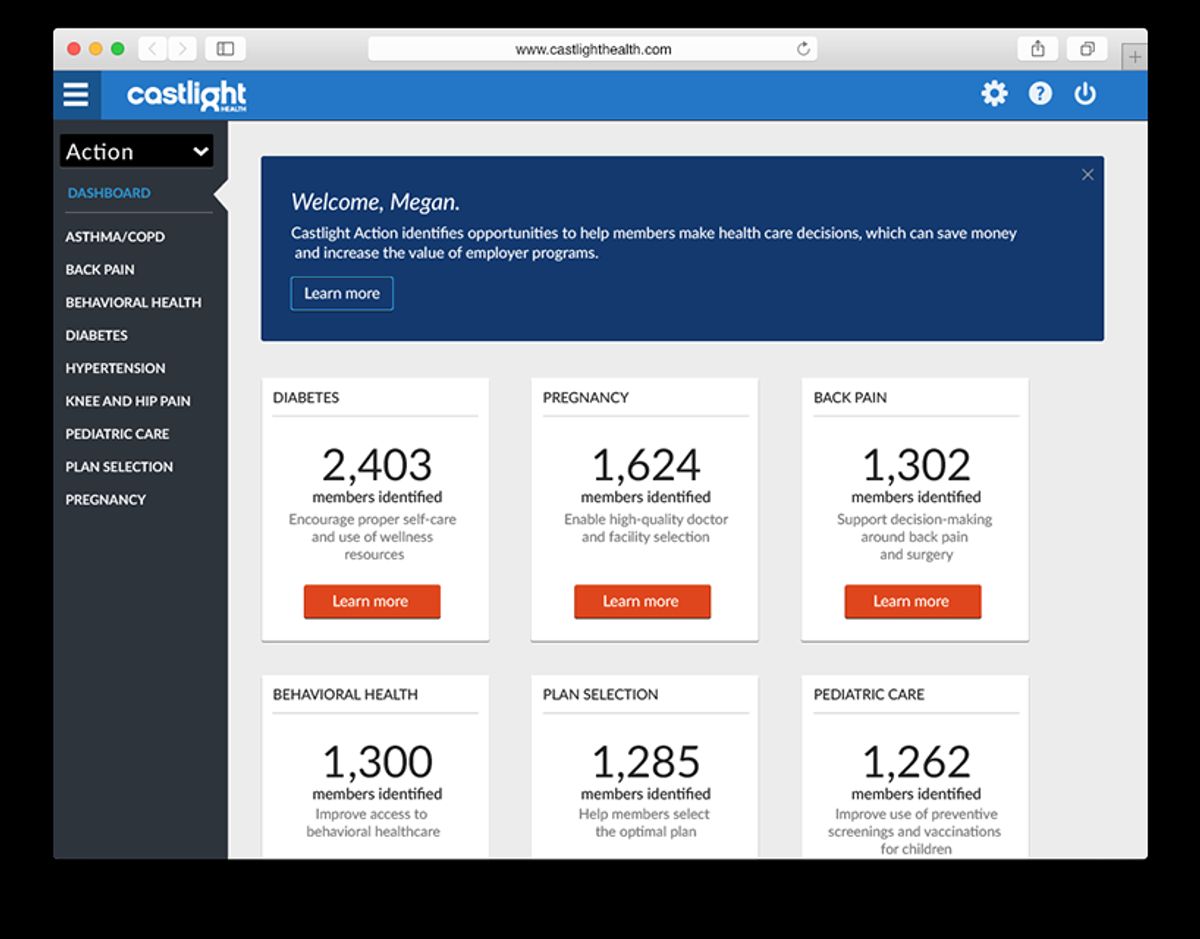
As I delve into the realm of personalization, I’ve learned that e-commerce success relies on tracking key metrics like bounce rate, session duration, site search usage, and conversion rates. These indicators are vital for optimizing strategies and enhancing the user experience, ultimately leading to increased online sales.
To truly gauge the effectiveness of my personalization efforts, I’ve adopted a dual approach. On one hand, I meticulously monitor quantitative data such as click-through rates (CTRs), engagement rates, and revenue generated from personalized interactions. On the other, I actively seek out and analyze customer feedback. This combination provides a comprehensive understanding that guides my strategy refinements.
Here’s a snapshot of the key performance indicators (KPIs) I keep an eye on:
| Metric | Description |
|---|---|
| Bounce Rate | Percentage of visitors who leave after viewing only one page. |
| Session Duration | Average time spent by a visitor per session. |
| Site Search Usage | Frequency of use of the site’s search function. |
| Conversion Rates | Percentage of visitors who take a desired action. |
By consistently measuring these KPIs, I can discern the impact of personalized content versus non-personalized content, and adjust my strategies to better align with consumer preferences.
A/B Testing for Personalization Optimization
In my journey to maximize email marketing effectiveness, I’ve learned that A/B testing is indispensable. By experimenting with different subject lines, calls to action (CTAs), visuals, and forms, I can analyze the metrics that provide insights into what resonates with my audience. This process is not just about tweaking minor details; it’s about personalizing emails to optimize CTAs for better conversion rates.
Here’s a simple breakdown of my A/B testing approach:
- Identify key elements to test (e.g., subject lines, images, CTAs).
- Create two versions: A (control) and B (variation).
- Run the test simultaneously to a statistically significant portion of the audience.
- Analyze the results focusing on conversion rates and engagement.
- Implement the more successful version for the wider audience.
The goal is to ensure that every aspect of the marketing strategy is contributing to a more personalized and engaging customer experience. A/B testing is not just a one-time event but a continuous cycle of refinement.
The insights gained from A/B testing are crucial for dynamic content distribution and targeted marketing. It’s a key to online sales and brand loyalty, ensuring that personalization and A/B testing work hand in hand for enhanced performance. Always test and tweak; what works for one segment may not work for another. The beauty of personalization is the clear visibility it provides into the performance of each customized element, allowing for swift action to double down on successes and eliminate the ineffective.
Adapting Strategies to Evolving Consumer Preferences
In the ever-shifting landscape of e-commerce, I’ve learned that adapting to consumer preferences is not just a one-time task; it’s an ongoing journey. As I reflect on the insights gained from the ‘E-Commerce Personalization Guide: Benefits, Tools & Strategies‘, I’m reminded that personalization is a powerful lever for sustained growth.
To stay ahead, I continuously refine my strategies, ensuring they evolve with customer trends and economic factors. This means embracing A/B testing and experimenting with new algorithms and data sets. It’s about elevating my e-commerce venture to meet the unique needs of my customers.
Understanding the rapid pace at which consumer preferences change is crucial. I make it a point to stay attuned to these shifts, tailoring my approach to build strong, trust-based relationships. By doing so, I ensure that every customer interaction adds value, fostering long-term loyalty and driving sustainable growth.
Here are some best practices I follow to keep my personalization strategies fresh and effective:
- Get to know your customers inside and out.
- Continuously seek innovative ways to enhance personalization.
- Stay agile and responsive to new market conditions and regulations.
Conclusion: The Imperative of Personalization in ECommerce
In the fast-paced world of eCommerce, personalization stands as the cornerstone of customer engagement and sales growth. Throughout this article, we’ve explored various strategies that underscore the importance of knowing your customers, leveraging AI-powered tools, and creating a seamless omnichannel experience. By implementing these personalized marketing tactics, businesses can significantly enhance customer satisfaction, increase engagement, and improve conversion rates. As consumer preferences continue to evolve rapidly, the adoption of personalization is not just a competitive advantage but a necessity for those looking to build lasting customer relationships and achieve sustained business success. The journey towards effective personalization is ongoing, but with the insights and best practices shared, eCommerce marketers are well-equipped to navigate this dynamic landscape and drive their sales to new heights.
Frequently Asked Questions
What are the benefits of using personalization engines in e-commerce?
Personalization engines help create a more tailored shopping experience, improve customer engagement, and can lead to higher conversion rates and customer loyalty by delivering content and recommendations that resonate with individual consumer preferences.
How can customer data be leveraged to enhance the online shopping experience?
Customer data can be used to remember user preferences, past purchases, and to create personalized product recommendations and custom landing pages, providing a seamless and engaging online shopping journey.
What is omnichannel personalization and why is it important?
Omnichannel personalization involves synchronizing personalized experiences across all digital touchpoints, including websites, email, and social media. It’s important because it creates a cohesive customer experience, fostering deeper connections and enhancing customer satisfaction and loyalty.
How does AI contribute to real-time personalization in e-commerce?
AI-powered tools analyze customer data in real-time to deliver personalized experiences at scale. They help in predicting customer preferences, providing targeted recommendations, and enhancing the overall user experience, which can increase engagement and sales.
What methods can be used to measure the effectiveness of personalization strategies?
Effectiveness can be measured by tracking key performance indicators such as click-through rates, conversion rates, and repeat purchase rates. A/B testing can also be used to compare different personalization strategies and optimize them for better results.
How should businesses adapt their personalization strategies to evolving consumer preferences?
Businesses should continuously collect and analyze customer data, stay updated with market trends, and be willing to adjust their personalization tactics. Regular A/B testing and feedback collection can help in adapting strategies to meet the changing needs and preferences of customers.
RELATED POSTS
View all



The Comprehensive Guide To Internet Marketing For ECommerce
March 30, 2024 | by Winson Yeung
