

Essential Internet Marketing Tools For Online Entrepreneurs
April 10, 2024 | by Winson Yeung

In a digital landscape where every online entrepreneur seeks to carve out their niche, the right internet marketing tools are indispensable. Navigating this realm can be daunting, but armed with the appropriate tools, businesses of all sizes can amplify their online presence, engage with their audience more effectively, and drive growth. This article delves into the essential internet marketing tools that can help online entrepreneurs thrive, from free resources perfect for bootstrapping startups to advanced solutions for established companies.
Key Takeaways
- A carefully selected marketing tool stack can offer immense value for small businesses, often at little to no cost.
- Tools that are easy to set up, cost-effective, and backed by excellent customer service are essential for business growth.
- The right marketing tools vary depending on the skill level of the user and the scale of the business.
- Investing in ‘must-have’ tools while seeking freemium options for ‘nice-to-haves’ can balance budget and marketing needs.
- Continuous learning and upgrading skills in digital marketing are as important as the tools themselves for achieving long-term success.
Navigating the Marketing Tool Landscape
Identifying Must-Have Tools for Your Business
As I navigate the complex world of internet marketing, I’ve come to realize that identifying the must-have tools for my business is crucial. The right tools can make or break my marketing efforts. It’s not just about having the latest software; it’s about finding tools that align with my business goals and marketing strategies.
- Evaluate current tools and identify gaps
- Consider ease of use vs. advanced functionality
- Ensure compatibility with existing systems
It’s essential to strike a balance between functionality, ease of use, and integration with other tools. This means not only looking at what tools are being replaced but also what will remain and how they will all work together.
In my experience, it’s important to remember that every business is unique. A tool that’s widely acclaimed might not fit my specific needs. Therefore, I always take the time to evaluate what’s working well and what isn’t, ensuring that the tools I choose will truly benefit my business and help me grow.
Balancing Budget and Marketing Needs
As I delve into the world of internet marketing, I’ve learned that balancing my budget with marketing needs is a critical step towards success. It’s not just about choosing the most expensive tools; it’s about finding the right mix that offers value and aligns with my business goals.
To ensure I’m making wise investments, I categorize my tools into ‘must-haves’ and ‘nice-to-haves.’ The ‘must-haves’ are essential for my core marketing activities, such as email automation and SEO optimization, which directly impact engagement, conversion, and performance. For the ‘nice-to-haves,’ I look for freemium versions that can offer additional benefits without breaking the bank.
By automating various marketing tasks, I not only save time but also reduce operational costs, allowing for a better allocation of my marketing budget.
Here’s a quick breakdown of how I prioritize my marketing tool investments:
- Identify core functionalities needed for my business.
- Allocate a larger portion of the budget to ‘must-have’ tools.
- Explore freemium or trial versions for ‘nice-to-have’ tools.
- Reassess and adjust the budget as my business grows and needs evolve.
Evaluating Tools for Ease of Use and Support
When I’m in the market for new marketing tools, the first thing I consider is how they will fit into my existing workflow. Ease of use is paramount; I look for intuitive interfaces and drag-and-drop features that simplify complex tasks. It’s not just about the learning curve for me, but also for my team who will be using these tools daily.
Here’s a quick checklist I use to evaluate tools for ease of use and support:
- Intuitive interface design that balances power and simplicity
- Clear, logical navigation paths for easy feature access
- Responsive design for mobile and tablet use
- Extensive support resources like tutorials and live customer service
The goal is to lower the barrier to entry for users of all skill levels, ensuring that even those without a technical background can effectively leverage these tools to drive their marketing campaigns.
But it’s not just about how easy a tool is to use; the support behind it is just as critical. I look for 24/7 live chat support, a robust knowledge base for self-service troubleshooting, and quick response times to support tickets. Dedicated account management is a bonus that can provide personalized assistance when needed.
Ultimately, the tools I choose must offer a balance between functionality and support. They should integrate seamlessly with my existing stack, whether that’s accounting, CRM, or HR software. And, of course, they must provide value for money—a factor that’s always a consideration for any business.
Maximizing Impact with Free Marketing Tools

Content Creation on a Shoestring Budget
As an online entrepreneur, I’ve learned that content is king, but creating it doesn’t have to cost a fortune. I’ve discovered a wealth of free or low-cost tools that can help you produce high-quality content without breaking the bank. Here’s a quick rundown of some strategies:
- Utilize free blogging platforms to share your insights and establish authority.
- Engage with your audience on social media to boost your brand’s visibility.
- Collaborate with influencers or other businesses to expand your reach.
It’s crucial to remember that while the tools may be free, your time and creativity are valuable. Invest them wisely to create content that resonates with your audience and aligns with your marketing goals.
Finding the right tools can be a game-changer, especially when you’re starting out. For instance, there are video editing tools that offer custom templates and a library of creative assets, making it easy to produce professional-looking videos for social media or your website. And when it comes to writing, tools like Content Harmony can generate content briefs using data and AI, streamlining the process for you or your writers.
However, it’s important to note that while these tools can aid in content creation, they cannot replace the strategic thinking and effort required to produce truly impactful content. As you leverage free tools for affiliate marketing success, remember to focus on creating quality content, engaging on social media, and using free blogging sites to build credibility and drive sales.
Designing with Cost-Effective Tools
In my journey as an online entrepreneur, I’ve learned that designing doesn’t have to break the bank. There are a plethora of cost-effective tools that can help you create professional-looking designs without the hefty price tag of high-end software. For instance, Canva has been a game-changer for me. It’s a user-friendly platform that offers a wide range of templates and design elements, making it accessible even for those with minimal graphic design experience.
Here’s a quick comparison of some tools I’ve used:
| Tool | Price | Pros | Cons |
|---|---|---|---|
| Canva | Free plan available | Easy for beginners | Designs can feel generic |
| Google Docs | Free | Google integrations | Limited offline functionality |
By focusing on the essentials and utilizing free or freemium tools, I’ve been able to allocate my budget more effectively. This approach has allowed me to invest in my must-have tools while finding creative solutions for my nice-to-haves.
It’s important to remember that while free tools can be incredibly useful, they often come with limitations. However, these limitations can sometimes foster creativity, pushing you to think outside the box and come up with unique design solutions. By leveraging resources wisely, I’ve managed to utilize free tools for affiliate marketing success, creating engaging content that resonates with my audience.
Leveraging Free Tools for Email and Social Media Marketing
In the realm of email and social media marketing, the adage ‘the best things in life are free’ can sometimes hold true. Free tools are not just cost-effective; they’re essential for startups and entrepreneurs who are mindful of their budget yet ambitious in their marketing goals. For instance, email marketing tools specifically designed for the task can significantly enhance your ability to manage contacts, generate leads, and track campaigns, as opposed to using standard email services like Outlook or Gmail.
Building a robust email list is a proactive step that cannot be overlooked. Tools like MailChimp offer free services for smaller lists, which is perfect for those just starting out. As your list grows, these platforms often provide tiered pricing, allowing you to scale your marketing efforts seamlessly.
When it comes to social media marketing, the landscape is rich with free tools that can help you schedule posts, create engaging content, and analyze the performance of your campaigns. OpenAI’s ChatGPT, for example, is a powerful AI tool that can assist in generating creative content, saving you time and resources.
The key is to select tools that not only fit the current size of your business but also have the potential to scale with you. This strategic approach ensures that your marketing stack evolves in tandem with your business growth.
Here’s a quick list of essential functions that free marketing tools can offer:
- Social media marketing: Schedule and manage your posts across various platforms.
- Email campaigns: Utilize builders with scheduling features and spam detection.
- Reporting and analytics: Track the success of your campaigns and lead generation.
- Lead management: Capture and nurture leads to maintain a healthy audience ecosystem.
Strategic Marketing for Different Business Scales
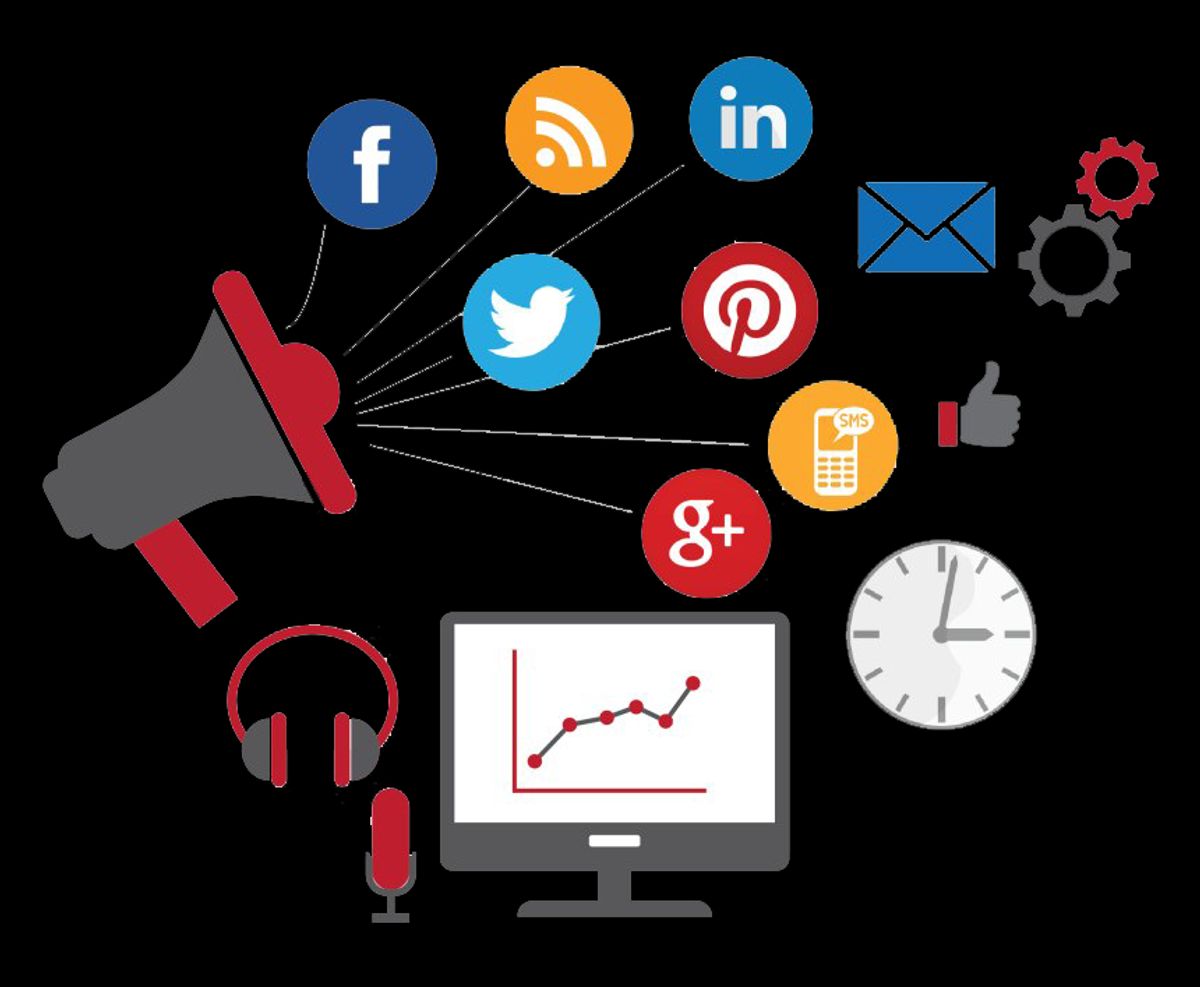
Solo Entrepreneurs: Simple and Effective Toolkits
As a solo entrepreneur, I’ve learned that the key to a successful marketing strategy is to use tools that are not only effective but also simple to manage. Finding the right balance between functionality and ease of use is crucial. With a plethora of options available, it’s important to select tools that align with your business’s unique needs and goals.
Here’s a list of essential tools that I’ve found invaluable for my journey:
- Content Management Systems (CMS): For organizing and publishing content to boost brand visibility.
- Social Media Schedulers: To maintain consistent engagement across platforms.
- Email Marketing Services: For personalized outreach and nurturing leads.
- SEO Tools: To optimize content and improve search rankings.
Investing in a solid foundation of tools can streamline your marketing efforts and free up time to focus on growing your business.
Remember, as a solo entrepreneur, it’s not just about the tools you use; it’s about how you use them to create a coherent and compelling narrative for your brand. The goal is to establish a strong value proposition and a strategic content plan that resonates with your target audience. By doing so, you can effectively leverage influencer marketing and other advanced techniques to scale your business.
Growing Businesses: Scaling Up Your Marketing Stack
As my business began to expand, I quickly realized the importance of scaling my marketing stack to keep pace with the growth. Implementing effective digital marketing strategies is crucial for online business growth, and I needed tools that could adapt and evolve with my company. I started with a core set of tools that were indispensable for my operations, ensuring they offered the scalability I required.
- CRM tools to organize and manage customer interactions
- Advanced SEO and analytics tools to refine my marketing strategies
- Email marketing platforms with automation features
This scalability ensures that marketing efforts can grow in tandem with the business, without the need for constant reinvestment in new tools.
By carefully selecting these tools, I was able to improve performance and increase efficiency across all my marketing channels. It was a game-changer to have a system that not only met my immediate needs but was also ready to handle future challenges and opportunities that came with scaling up.
Established Companies: Advanced Tools for Market Domination
As an established company, the focus shifts to mastering advanced affiliate marketing and leveraging sophisticated tools for market domination. It’s about understanding the audience, diving deep into data analytics, and continuously optimizing strategies. Valuable content creation and targeted email marketing become pivotal for successful revenue generation.
- CRM tools are indispensable for organizing and managing customer interactions effectively.
- SEO and analytics tools are the backbone of informing and refining content strategy.
The right combination of advanced tools can significantly enhance marketing ROI, but it’s crucial to remember that the talent behind the tools is what truly drives success.
Investing in the best tools available is a wise decision, but only after ensuring that the team has the expertise to utilize them to their full potential. It’s a balance between technology and talent that leads to sustained market leadership.
Essential Marketing Tool Categories Explained

The Role of Email Marketing in Small Business Success
As an online entrepreneur, I’ve come to realize the indispensable role of email marketing in driving small business success. Email marketing tools are not just a channel but a pivotal strategy that can yield an impressive return on investment. With an ROI of $42 for every $1 spent, it’s clear why this form of digital marketing is a cornerstone for many businesses.
Email marketing automation strategies are crucial, especially for small businesses. Focusing on list building, subscriber management, and personalized campaigns can lead to significant success and growth opportunities. Here’s a quick rundown of why email marketing should be a priority:
- Direct line to customers
- High ROI
- Personalized engagement
- Scalable campaigns
The beauty of email marketing lies in its simplicity and effectiveness. It’s a direct, cost-effective way to communicate, offering a platform to build and nurture customer relationships over time.
Choosing the right platform is essential. Mailchimp, for example, offers a robust free plan perfect for small audiences, while Drip caters to e-commerce and MailerLite to paid subscriptions. It’s about finding the fit that complements your business model and marketing goals.
Content Marketing Platforms: The Foundation of Online Presence
In my journey as an online entrepreneur, I’ve come to realize that content marketing platforms are the bedrock of any digital presence. These platforms are not just about publishing; they encompass the creation, management, and optimization of content that resonates with your audience.
For instance, a Content Management System (CMS) is indispensable for maintaining a dynamic website or blog. It’s where your content lives and breathes, often equipped with SEO tools to boost your online visibility.
The right content marketing platform can transform your strategy from good to great, enabling you to craft compelling stories that engage and convert.
Choosing the right platform can be daunting, but it’s a critical decision. Here’s a list of features to consider:
- Content creation and editing capabilities
- Distribution channels and analytics
- User experience optimization
- Marketing automation integration
The expansion of features in platforms like Contently and CoSchedule has been a game-changer, focusing on strategic creation and distribution to drive engagement and ROI. Additionally, innovative features such as AI-driven insights and integrated CMS for seamless content creation and distribution are becoming increasingly important.
Analytics and SEO: Understanding and Capturing Your Audience
In the realm of internet marketing, analytics and SEO tools are indispensable for understanding and engaging with your audience effectively. These tools provide a wealth of data that can be leveraged to refine your marketing strategies and enhance your online presence.
Analytics tools are the nexus where marketing meets data science. They offer insights into whether your marketing efforts are bearing fruit, allowing you to target new customer segments and fine-tune your messaging to drive more traffic to your site. For instance, Google Analytics is a powerhouse in this domain, offering real-time analytics, audience demographics, and conversion tracking.
SEO tools, on the other hand, are focused on optimizing your website’s visibility in search engine results. They help you audit and monitor your website, ensuring that you’re not only attracting traffic but also capturing qualified leads.
Here’s a quick list of features that make Google Analytics a vital tool for marketers:
- Deep insights into website performance and user behavior
- Tracking the effectiveness of marketing campaigns
- Analyzing traffic sources and user engagement
- Measuring conversion rates and optimizing strategies
- Real-time data to make informed decisions
By integrating these tools into your marketing stack, you can create a data-driven approach to capture and retain your audience.
Learning and Growing with Marketing Tools

Resources for Enhancing Your SEO Knowledge
As I delve deeper into the world of SEO, I’ve realized the importance of continuously updating my knowledge and skills. There’s a wealth of resources available, from beginner to advanced levels, ensuring that I can always find new ways to refine my strategy. For instance, I’ve been exploring popular keyword research tools to enhance my brand’s online presence.
Here’s a quick list of resources I’ve found invaluable in my journey:
- Beginner courses like ‘Money Site from Scratch’ and ‘Local SEO’
- Intermediate topics such as ‘Technical SEO’ and ‘Content Marketing’
- Advanced insights from courses on ‘SEO Automation’ and ‘Running an Agency’
It’s crucial to not only learn but also apply this knowledge to discover low search volume keywords, analyze ranking factors, and compare my SEO efforts with competitors.
By investing time in these resources, I’m able to stay ahead of the curve and ensure that my SEO practices are both effective and current.
When to Invest in Paid Tools for Further Growth
As I’ve navigated the complex world of internet marketing, I’ve learned that timing is everything when it comes to investing in paid tools. It’s crucial to recognize when free tools no longer suffice and your growth necessitates more sophisticated solutions. Here’s a simple guide I follow:
- Assess your current marketing effectiveness: Are your campaigns hitting their targets? If not, it might be time to look at more advanced tools.
- Consider your team’s expertise: Do you have the skills in-house to leverage advanced tools, or will you need additional training?
- Evaluate your budget: Can you afford the investment without compromising other areas of your business?
Remember, the goal is not to collect tools, but to effectively utilize them to drive your business forward.
When I read the Guide to social media marketing: Trends, tactics, and platforms, it reinforced the importance of choosing the right platforms and tactics for my campaigns. And as the Internet Marketing: A Beginner’s Guide in 2024 from Forbes Advisor suggests, understanding the basics is essential before making any investment. Ultimately, the decision to invest in paid tools should be based on a clear understanding of your marketing needs and the potential return on investment.
The Importance of Continuous Learning in Digital Marketing
In the ever-evolving world of digital marketing, I’ve learned that staying updated with the latest trends and tools is not just beneficial, it’s essential. Continuous learning is the key to maintaining a competitive edge and ensuring that my strategies are effective. Market research, online presence, platform selection, social media, and email marketing are essential for marketing digital products effectively and staying relevant to the target audience.
The landscape of digital marketing is a terrain that shifts with every technological advancement and consumer behavior change. To navigate it successfully, I must be willing to adapt and learn.
Here’s a quick checklist to keep my learning on track:
- Regularly read industry blogs and newsletters.
- Attend webinars and online courses.
- Experiment with new tools and platforms.
- Analyze the outcomes and refine strategies accordingly.
The website I frequent focuses on internet marketing strategies, including affiliate, AI, e-commerce, email, SEO, and social media marketing. It provides invaluable tips for building a powerful marketing funnel through social media, YouTube, e-commerce, and data analysis. By dedicating time each week to these activities, I ensure that my knowledge base is robust and my marketing efforts are as impactful as possible.
Conclusion
Navigating the vast ocean of internet marketing tools can be daunting for online entrepreneurs, especially when resources are limited and the pressure to choose the right tools is high. Our comprehensive guide aimed to alleviate that pressure by highlighting essential, cost-effective tools that can bring instant value to small businesses. From content creation to email marketing, and from design to analytics, the tools we’ve discussed are not only accessible but also come with the potential to significantly boost your marketing ROI. Remember, while tools can provide leverage, the real magic happens when they are wielded by skilled hands. So, equip your business with these tools, but also invest in developing the marketing skills to use them effectively. With the right combination of tools and talent, your business is well-positioned to thrive in the digital landscape.
Frequently Asked Questions
What are some free marketing tools for content creation?
Free marketing tools for content creation include Hemingway Editor, Copysmith AI, and Content Snare.
Are there cost-effective design tools available for marketers?
Yes, cost-effective design tools for marketers include Canva, PhotoADKing, and Pablo.
How can I evaluate which marketing tools are essential for my business?
To evaluate essential marketing tools for your business, consider if they bring instant value, are easy to set up, are affordable, and offer excellent customer service.
What should established companies focus on when choosing marketing tools?
Established companies should focus on leveraging a combination of advanced tools to maximize marketing ROI and meet their specific needs.
Can small businesses find marketing tools that are both effective and budget-friendly?
Absolutely, small businesses can find marketing tools that are effective and budget-friendly, with many offering free versions or freemium models to start with.
What are some top marketing tools for small businesses in 2024?
Top marketing tools for small businesses in 2024 include Semrush, Mailchimp, HubSpot, Slack, CoSchedule, Google Analytics, and WordPress.
RELATED POSTS
View all


ECommerce Marketing Techniques For Boosting Online Sales
February 25, 2024 | by Winson Yeung

Online Course Creation: A Step-by-Step Guide to Making Your First $1,000
February 23, 2024 | by Winson Yeung

Email Marketing Split Testing: Maximizing Campaign Effectiveness
March 30, 2024 | by Winson Yeung