

Generating income with AI in digital marketing
February 23, 2024 | by Winson Yeung
In today’s digital age, artificial intelligence (AI) has become a transformative force in the realm of digital marketing. This article delves into the myriad of ways AI can be harnessed to generate income, from automating content creation to refining affiliate marketing strategies and enhancing e-commerce experiences. As AI continues to evolve, it presents a wealth of opportunities for digital marketers to innovate, optimize, and monetize their online presence. We will uncover the potential of AI in creating new revenue streams, the future of digital marketing professions influenced by AI, and the ethical considerations that accompany the monetization of AI technologies.
Key Takeaways
- AI can significantly boost digital marketing efforts by automating content creation, providing personalized customer experiences, and optimizing SEO and affiliate campaigns.
- Monetizing AI-created art and digital products opens up new avenues for passive income, catering to the growing market for unique, AI-generated content.
- E-commerce platforms can leverage AI to optimize inventory, pricing strategies, and implement chatbots, leading to increased sales and customer satisfaction.
- The rise of AI-powered digital marketing is shaping new career paths and necessitates continuous learning and adaptation to stay competitive in the industry.
- While AI offers vast potential for income generation, it’s crucial to navigate its ethical implications and maintain transparency to build trust with customers.
Harnessing AI for Enhanced Content Creation

Automating Blog and Social Media Posts
In the realm of digital marketing, the automation of blog and social media posts stands out as a game-changer. AI-driven tools are revolutionizing how marketers create, schedule, and analyze content across various platforms. By leveraging machine learning, these tools can generate engaging posts, identify optimal posting times, and provide valuable insights into audience behavior.
The integration of AI in social media management allows for a more strategic approach to content creation and distribution, ultimately enhancing the efficiency and effectiveness of marketing campaigns.
Here are some key features of AI social media management tools:
- Content Insights: Analyzes content to pinpoint key ideas and measure engagement.
- Intelligent Publishing: Simplifies the creation of articles and videos with a user-friendly editor.
- Automated Scheduling: Determines the best times to post based on audience data.
By adopting these AI capabilities, marketers can significantly reduce the time spent on repetitive tasks, freeing up resources to focus on strategy and growth. The potential for increased ROI is substantial, as AI empowers businesses to reach a wider audience with less effort.
Developing AI-Generated Digital Products
The advent of AI art generators has revolutionized the digital art space, enabling creators to produce unique artwork in a fraction of the time it traditionally takes. AI tools like Leonardo AI and Stable Diffusion Online have democratized art creation, making it accessible to a wider audience. These tools not only assist in generating new pieces but also in modifying existing artwork to cater to specific customer preferences.
Creators looking to monetize AI-generated art can leverage platforms such as Gumroad, ThriveCart, and Shopify. These platforms provide a marketplace for digital products like ebooks, templates, and designs. The key to success in this burgeoning field is to master prompt engineering—the skill of crafting precise prompts to produce desired outcomes in AI-generated art.
The challenge lies not just in creating appealing graphics, but in distinguishing oneself in a saturated market. Finding a niche and perfecting the art can lead to quick sales and a sustainable income stream.
Here’s a brief list of popular AI digital artwork tools:
- Leonardo AI
- Stable Diffusion Online
- Fotor
As AI continues to evolve, the potential for creating and selling digital products expands, offering endless opportunities for innovation and entrepreneurship.
Monetizing AI-Created Art and Design
The advent of AI art generators like Leonardo AI, Stable Diffusion Online, and Fotor has revolutionized the creation and sale of digital art. Artists and entrepreneurs can now produce unique artwork in minutes, a process that traditionally could take days or weeks. This efficiency opens up new revenue streams in the art industry, particularly for those who master the art of prompt engineering—a critical skill in a saturated market.
- AI-generated art is highly accessible, making the niche competitive.
- Success hinges on finding the right idea and go-to-market strategy.
- Iteration and perfection of AI-generated images are key to creating sellable art.
While AI art is accessible and can be created quickly, the challenge lies in differentiating your work and capturing the attention of buyers in a competitive landscape.
The table below outlines potential digital art products and the best platforms for monetization:
| Digital Art Products | Platforms for Monetization |
|---|---|
| Branding Kits | Etsy, Sellfy |
| Web Fonts | Sellfy |
| Instagram Filters | Instagram, Sellfy |
| Printables | Etsy |
| Decorations | Etsy, Sellfy |
It’s important to note that while AI can streamline the art creation process, the human touch in curation and marketing remains indispensable for success.
AI-Driven Strategies for Affiliate Marketing
Utilizing AI for Website and SEO Optimization
In the realm of digital marketing, AI is revolutionizing the way we approach website and SEO optimization. By leveraging AI tools, marketers can automate and enhance various aspects of their SEO strategy. For instance, AI-powered platforms can conduct comprehensive site audits, suggesting improvements that can significantly boost search engine rankings.
Personalization is another key benefit of AI in SEO. AI algorithms are adept at offering real-time, customer-specific product recommendations and dynamic pricing, which can lead to increased engagement and conversions. Moreover, AI’s capability to analyze large datasets allows for mass optimization of content, ensuring that each piece is finely tuned to the target audience’s preferences.
Here are some of the top AI tools for SEO optimization:
- SEMrush: A comprehensive toolkit for keyword research, site audits, and competitor analysis.
- SurferSEO: Specialized in on-page SEO optimization, including content editing and SERP analysis.
- Alli AI: Focuses on automated SEO tasks, providing SEO recommendations and tracking progress.
Embracing AI for SEO not only streamlines repetitive tasks but also opens up new avenues for growth and experimentation. While AI tools increase productivity, they complement rather than replace the need for ongoing testing and experience accumulation.
Leveraging AI Tools for Targeted Campaigns
In the realm of digital marketing, the ability to deliver personalized experiences to consumers is not just a luxury—it’s an expectation. AI tools are pivotal in crafting these tailored experiences, especially when it comes to targeted campaigns. By analyzing data from social media, market trends, and consumer behavior, AI can develop comprehensive customer profiles that inform more effective marketing strategies.
Personalization is at the heart of AI’s capabilities, allowing for 1-to-1 experiences that were once difficult to achieve. With AI-powered tools, such as Adzooma for ad management and Pencil for creative generation, marketers can optimize advertising strategies based on data-driven insights. These tools provide automated suggestions, performance reports, and facilitate easy ad iteration, making them invaluable for modern digital marketers.
The integration of AI in targeted campaigns not only enhances efficiency but also ensures that each consumer interaction is relevant and engaging, significantly increasing the likelihood of conversion.
Here’s a quick look at some of the top AI advertising tools and their key offerings:
| Tool | Best For | Starting Price | Free Version | Top 3 Features |
|---|---|---|---|---|
| Adzooma | Online ad management and optimization | $99/mo | ✔️ | Automated suggestions, Performance reports, Time-saving tools |
| WordStream | Paid search and social advertising | Custom | ❌ | Google Ads audit, Performance dashboard, Ad management |
| Pencil | AI-driven creative for ads | $14/mo | ❌ | Creative generation, Performance analysis, Easy ad iteration |
Maximizing Earnings through AI-Enhanced Analytics
The integration of AI into analytics is revolutionizing the way businesses approach their revenue strategies. AI-enhanced analytics allow for a deeper understanding of customer behavior, enabling the creation of more targeted and effective marketing campaigns. By analyzing vast amounts of data, AI can uncover patterns and insights that would be impossible for humans to detect on their own.
AI-powered analytics tools can significantly increase the accuracy of sales forecasts, optimize marketing spend, and identify the most profitable customer segments. This leads to a more efficient allocation of resources and maximizes return on investment (ROI).
- Benefits of AI-Enhanced Analytics:
- Increased efficiency and productivity
- Data-driven decision-making
- Personalized customer experiences
- Scalability and market expansion
Embracing AI-enhanced analytics is not just about adopting new technology; it’s about transforming the core of your business to be more data-centric and customer-focused.
Expanding Revenue Streams with AI in E-commerce

Personalizing Customer Experiences with AI
In the competitive landscape of e-commerce, personalization is the key to capturing customer attention and fostering loyalty. AI-driven personalization goes beyond mere product recommendations; it encompasses a holistic approach to tailoring the shopping experience to individual preferences and behaviors.
AI algorithms are adept at sifting through vast amounts of customer data to deliver real-time, personalized content and offers. This not only enhances the customer journey but also significantly boosts conversion rates and revenue. For instance, dynamic pricing can be adjusted based on user engagement, purchase history, and market demand, ensuring that customers are always presented with the most enticing offers.
The true power of AI in e-commerce lies in its ability to learn and adapt from each interaction, continuously refining the personalization process to better meet the needs of each customer.
Here’s how AI personalization can transform the e-commerce experience:
- Analyzing customer data to identify unique preferences and shopping patterns.
- Delivering targeted content and offers that resonate with individual customers.
- Implementing dynamic pricing strategies to optimize sales and customer satisfaction.
- Enhancing the overall shopping experience by predicting and fulfilling customer needs.
Optimizing Inventory and Pricing Strategies
In the realm of e-commerce, AI is revolutionizing inventory and pricing strategies, enabling businesses to adapt in real-time to market demands. By analyzing vast amounts of data, AI can predict trends and adjust inventory levels accordingly, preventing both overstock and stockouts. Dynamic pricing models are another area where AI excels, allowing for prices to adjust based on factors such as demand, competition, and customer behavior.
The integration of AI in inventory and pricing strategies not only enhances efficiency but also drives profitability through smart decision-making.
For instance, the Smart Product Page Optimizer, an AI tool, has been instrumental for businesses like Mounteen, which saw an 18% revenue increase by optimizing their product pages. The tool focuses on:
- Crafting persuasive copy
- Creating captivating headlines and descriptions
- Listing benefits that resonate with the audience
- Conducting A/B tests for multiple product pages
This mass optimization approach transcends traditional methods, saving time and resources while allowing for the personalization of customer experiences through tailored product recommendations and pricing.
Implementing Chatbots for Improved Sales
In the digital marketplace, chatbots have become a cornerstone for enhancing customer interaction and driving sales. By providing immediate responses to customer inquiries, chatbots ensure a seamless shopping experience, even outside of regular business hours. The implementation of chatbots can significantly reduce the workload on customer service teams, allowing them to focus on more complex tasks.
Chatbots are not just a tool for customer service; they are also a revenue-generating asset. By guiding customers through the sales process, offering personalized recommendations, and upselling products, chatbots can directly influence a company’s bottom line.
For businesses looking to capitalize on this technology, here are some potential revenue streams:
- Selling chatbot installation services to businesses for customer service, appointment setting, lead qualification, and more.
- Creating and selling a collection of chatbot templates for various business needs, enabling easy customization.
- Offering consulting services to implement AI customer support software, including chatbot configuration and integration.
Each of these services can command fees ranging from $100 to $400 or more, depending on the complexity and customization required. As AI continues to evolve, the opportunities for monetizing chatbots in e-commerce will likely expand, making it a lucrative area for digital marketers to explore.
AI and the Future of Digital Marketing Professions

The Role of AI in Marketing Campaign Management
The integration of AI into marketing campaign management has revolutionized the approach to digital advertising. AI’s ability to analyze vast amounts of data from various sources, including social media, market trends, and consumer behavior, provides deep insights that enhance campaign effectiveness. By leveraging machine learning, AI tools automate repetitive tasks, such as content generation, and optimize campaigns through predictive analytics.
Machine learning is particularly adept at managing paid advertising, where it can iterate strategies based on performance data, leading to increased ROI. Digital marketers now rely on AI to create, analyze, and refine marketing campaigns, ensuring that each campaign is more targeted and personalized than ever before.
AI marketing tools are essential for developing customer profiles and delivering personalized content, which are key to boosting conversion rates and customer satisfaction.
The following list outlines the key functions of AI in marketing campaign management:
- Automating content creation for blogs and social media
- Analyzing performance data to optimize campaigns
- Managing paid advertising across different platforms
- Delivering personalized customer experiences
- Enhancing the efficiency of marketing strategies
Emerging Careers in AI-Powered Digital Marketing
The integration of AI into digital marketing has not only revolutionized strategies but also given rise to new career paths. Marketers with AI expertise are becoming indispensable in an industry that values data-driven decision making and personalized marketing solutions. These professionals are expected to navigate complex algorithms, manage AI-powered tools, and extract actionable insights from vast amounts of data.
AI-powered digital marketing careers span a variety of roles, including AI-driven content strategists, data analysts specializing in marketing insights, and customer experience architects who leverage AI to enhance the customer journey. Here’s a glimpse into some of these roles:
- AI-Driven Content Strategist: Crafting content strategies using AI tools to predict trends and consumer behavior.
- Data Analyst for Marketing Insights: Interpreting data to inform marketing strategies and measure campaign effectiveness.
- Customer Experience Architect: Designing personalized customer experiences by analyzing behavior and preferences through AI.
The demand for these roles is escalating as businesses seek to gain a competitive edge through innovative AI applications in marketing. Mastery of AI tools and strategies not only opens doors to new opportunities but also positions marketers at the forefront of the industry’s evolution.
Staying Ahead: Continuous Learning in AI Marketing Tools
In the rapidly evolving landscape of digital marketing, continuous learning is not just an advantage; it’s a necessity. As AI tools and technologies advance, marketers must stay informed and adept at using the latest innovations to maintain a competitive edge.
Education in AI marketing tools can take many forms, from formal courses and certifications to self-guided exploration of new software. Here’s a short list of ways to keep your skills sharp:
- Participate in online courses and webinars
- Attend industry conferences and workshops
- Engage with online communities and forums
- Experiment with new tools on personal projects
Embracing a culture of learning and adaptability is essential for marketers who wish to excel in an AI-driven environment. Staying updated with AI advancements ensures that your strategies remain effective and your campaigns resonate with the ever-changing consumer landscape.
Ultimately, the goal is to integrate AI seamlessly into your marketing efforts, enhancing your ability to connect with customers and drive results. By prioritizing education and staying abreast of AI developments, you position yourself at the forefront of digital marketing innovation.
Ethical and Practical Considerations in AI Monetization
Understanding the Limitations of AI in Marketing
While AI has the potential to revolutionize digital marketing, it’s crucial to recognize its limitations. AI relies heavily on the quality and quantity of data it is fed; without robust and diverse datasets, AI’s predictive capabilities and insights can be significantly hampered. Moreover, AI-generated content, while efficient, may lack the nuanced understanding and personal touch that human creators provide, potentially affecting engagement and trust.
AI in marketing is not a silver bullet. It excels at processing vast amounts of information and identifying patterns, but it struggles with tasks requiring emotional intelligence and cultural context. Here are some common limitations:
- Inability to fully understand and replicate human emotions
- Challenges in adapting to nuanced cultural differences
- Dependence on data quality and the potential for bias
- Limited creativity in generating truly original content
It’s essential for marketers to blend AI capabilities with human insight to create a marketing strategy that is both data-driven and empathetic. This approach ensures that while efficiency and personalization are maximized, the human element remains at the core of marketing efforts.
Navigating the Ethical Implications of AI Usage
As digital marketers embrace AI, navigating the ethical landscape becomes crucial. The deployment of AI tools must be done with a keen awareness of the ethical implications, particularly concerning user data manipulation, consent, and the potential for intrusive hyper-targeted advertising. Ensuring transparency in AI-generated content is also essential to maintain trust and integrity in digital marketing practices.
The ethical use of AI in digital marketing is not just a legal obligation but a cornerstone of sustainable and responsible business practices.
Key ethical considerations include:
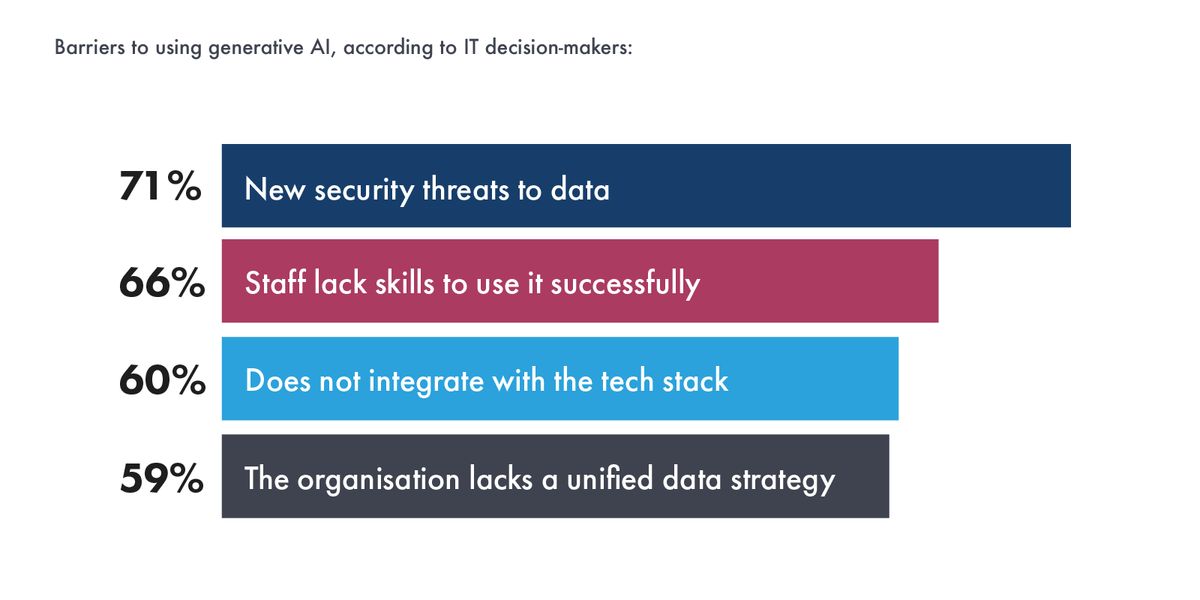
- Data sensitivity and security: Protecting sensitive information within extensive datasets used by AI.
- Bias: Addressing inherent biases in AI algorithms to prevent discriminatory practices.
- Inaccuracy: Mitigating risks associated with data inaccuracies that can lead to costly mistakes.
- Intellectual property: Respecting authorship and avoiding plagiarism in AI-generated content.
By proactively addressing these issues, marketers can build a foundation of trust with their audience, ensuring that AI is used to enhance, rather than compromise, the customer experience.
Building Trust with Customers in an AI-Driven Market
In an AI-driven market, building trust with customers is paramount. Transparency in how AI is utilized to enhance customer experiences is key to maintaining this trust. Customers appreciate knowing that their data is used responsibly to tailor their experiences without compromising their privacy.
Personalization is at the heart of AI’s appeal, yet it must be balanced with respect for customer boundaries. Here are some ways to foster trust:
- Clearly communicate the benefits of AI-enhanced interactions.
- Ensure data privacy and security policies are robust and transparent.
- Provide options for customers to control how their data is used.
By prioritizing ethical AI practices, businesses can create a foundation of trust that not only retains customers but also attracts new ones.
It’s essential to remember that while AI can significantly improve efficiency and personalization, the human element remains irreplaceable in building genuine customer relationships. Therefore, integrating AI with a human touch can lead to a more trusted and successful digital marketing strategy.
Embracing the AI Revolution in Digital Marketing
As we’ve explored throughout this article, the integration of AI into digital marketing presents a wealth of opportunities for generating income. From automating repetitive tasks to creating personalized customer experiences, AI is revolutionizing the way we approach online earnings. Whether you’re a content creator, marketer, or entrepreneur, leveraging AI tools can help you work more efficiently, reach a wider audience, and enhance your marketing strategies. Remember, AI is a powerful tool that, when used wisely, can significantly boost your digital marketing efforts and open up new revenue streams. As the digital landscape continues to evolve, staying ahead of the curve by embracing AI will be key to success in the competitive world of online marketing.
Frequently Asked Questions
How can AI enhance content creation for digital marketing?
AI can automate the generation of blog posts and social media content by analyzing data to understand audience preferences, creating tailored content that increases engagement and reach. AI can also help develop digital products and monetize creative works like art and design, offering innovative ways to attract customers and generate income.
What role does AI play in affiliate marketing?
AI tools can optimize websites and SEO to improve online visibility, leverage targeted campaigns to reach specific audiences, and enhance analytics to maximize affiliate earnings. By automating and personalizing marketing efforts, AI can increase the effectiveness of affiliate strategies.
How can AI improve customer experiences in e-commerce?
AI can personalize shopping experiences by analyzing customer data to provide tailored recommendations, optimize inventory and pricing strategies for better profitability, and implement chatbots that assist customers in real-time, leading to improved sales and customer satisfaction.
What emerging careers are there in AI-powered digital marketing?
As AI transforms digital marketing, new careers emerge in areas like AI-driven campaign management, data analytics, and personalized customer engagement strategies. Continuous learning and adaptation are key for professionals to stay ahead in the evolving landscape of AI-powered digital marketing.
What are the ethical considerations when using AI in marketing?
Marketers must consider the ethical implications of AI, such as data privacy, transparency, and the potential for biased outcomes. It’s important to use AI responsibly, maintain customer trust, and ensure that AI-driven strategies do not compromise ethical standards or customer relationships.
Can AI be used for passive income generation?
Yes, AI can be used to create and sell digital products, generate and sell AI-created art, and streamline affiliate marketing efforts, among other applications. These tools can help individuals and businesses establish passive income streams by automating and optimizing various aspects of digital marketing.
RELATED POSTS
View all


AI Tools That Can Enhance Your Digital Marketing Efforts
March 29, 2024 | by Winson Yeung

Social Media Advertising: Platforms And Tips For Success
March 16, 2024 | by Winson Yeung

Passive Income Ideas: How To Make Money Online While You Sleep
February 25, 2024 | by Winson Yeung