

The Rise of Remote Work: How to Secure High-Paying Online Jobs in Today’s Market
February 23, 2024 | by Winson Yeung

The shift towards remote work has been one of the most significant changes in the job market over recent years. With advances in technology and the lasting impact of the COVID-19 pandemic, more people are seeking high-paying online jobs that offer flexibility and the comfort of working from home. This article explores how to navigate the remote job market, secure a remote position, optimize remote work practices, explore diverse opportunities, and advance in a remote career.
Key Takeaways
- Identifying in-demand remote roles and utilizing platforms like FlexJobs can enhance job search effectiveness.
- Crafting a specialized remote-work resume and mastering virtual interviews are crucial for securing a remote job.
- Adopting best practices for remote work, such as those highlighted by experts, is essential for productivity and work-life balance.
- Exploring various remote work models, including freelance and full-time positions, opens up a wide range of opportunities, even for non-degree holders.
- Continuous learning and skill development are key to advancing in a remote career and transitioning to higher-paying roles.
Navigating the Remote Job Market
Identifying High-Demand Remote Roles
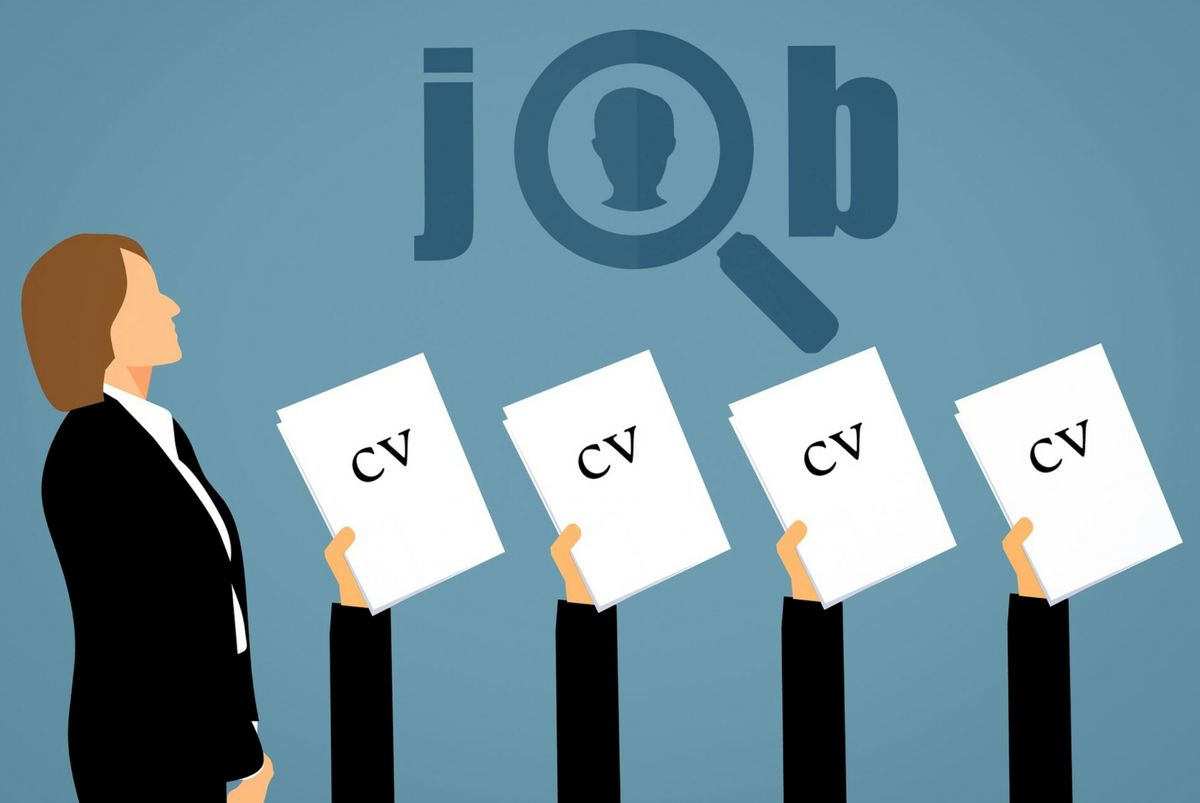
To thrive in the remote job market, it’s crucial to identify roles that are in high demand. FlexJobs has established itself as a leader in curating high-quality remote positions across various industries. By focusing on areas with a significant need for remote workers, you can increase your chances of securing a lucrative online job.
Internet Marketers Blog offers insights that can guide you in understanding market trends and demands. Their content on affiliate marketing, AI marketing, and content marketing is particularly useful for those looking to make money online.
Here are some of the top remote roles currently in demand:
- Software Developer
- Digital Marketer
- Data Analyst
- Customer Service Representative
- Project Manager
Embrace the flexibility of remote work by targeting roles that align with your skills and the market’s needs.
Utilizing Job Platforms like FlexJobs
In the quest for high-paying online jobs, leveraging job platforms such as FlexJobs can be a game-changer. FlexJobs stands out by offering hand-screened, high-quality remote job listings, ensuring that you’re only browsing through legitimate opportunities. With a premium subscription, you gain access to a wealth of resources, including job search webinars and career advice.
FlexJobs categorizes jobs across over 50 fields, making it easier for job seekers to find roles that match their skills and interests. Here’s a quick guide to getting started:
- Sign up for a premium-level account to unlock full access.
- Explore the job listings in your preferred category.
- Utilize the advanced search features to refine your results.
- Take advantage of the job search articles and resources provided.
Remember, the key to success on platforms like FlexJobs is to actively engage with the resources available and apply a strategic approach to your job search.
Finally, don’t underestimate the power of the FlexJobs community. Engaging with other job seekers and participating in webinars can provide valuable insights and support as you navigate the remote job market.
Networking and Personal Branding Online
In the digital age, building a robust online network is crucial for securing high-paying remote jobs. Start by engaging in LinkedIn groups and participating in virtual mixers. These platforms offer a wealth of opportunities to connect with industry leaders and peers. Additionally, establishing a strong online presence through a professional website or blog can significantly enhance your visibility.
Networking effectively online involves more than just making connections; it’s about contributing to conversations and sharing your expertise. Consider creating insightful content, such as blog posts or articles, to position yourself as a thought leader in your field. This not only showcases your skills but also attracts potential employers or clients who value your knowledge.
By consistently engaging with your network and sharing valuable content, you create a personal brand that resonates with your professional goals. This approach can lead to new opportunities and a stronger position in the remote job market.
Remember, your online persona is often the first impression you make on potential employers. Keep your profiles up-to-date and ensure they reflect your current skills and accomplishments. Here’s a simple checklist to maintain your online branding:
- Update your LinkedIn profile with recent projects
- Share your thoughts on industry trends via Twitter
- Engage with your network by commenting on relevant posts
- Publish articles related to your expertise on platforms like Medium
By following these steps, you’ll not only secure your place in the remote job market but also pave the way for future career growth.
Securing a Remote Position

Crafting a Winning Remote-Work Resume
In the realm of remote work, your resume is your first impression and a pivotal tool for landing that coveted position. Tailoring your resume to highlight remote-specific skills such as self-motivation, communication, and time management can set you apart from the competition.
Remote work experience should be prominently displayed, showcasing your ability to thrive in a virtual environment. Here’s a simple list to ensure your resume stands out:
- Emphasize any remote work history, even if it was only partially remote.
- Include metrics that quantify your achievements, such as ‘Increased sales by 20% while working remotely.’
- Highlight technical skills and proficiency in remote work tools like Slack, Zoom, or Trello.
- Mention soft skills that are crucial for remote work, such as adaptability and problem-solving.
Crafting a resume for remote work also means being concise and clear. Avoid clutter and focus on what truly matters to remote employers.
Remember, updating your resume is an ongoing process. As suggested, keep a document of your accomplishments and periodically integrate them into your resume. This ensures you’re always ready for new opportunities or performance evaluations.
Acing the Virtual Interview
The virtual interview is your gateway to making a lasting impression from afar. Prepare thoroughly by researching the company, understanding the role, and practicing your responses to common interview questions. Remember, clarity in communication is key, especially when you’re not face-to-face.
Practice makes perfect, and this is particularly true for virtual interviews. Conduct mock interviews with friends or use recording software to self-assess your body language and tone. Pay attention to your background and lighting to ensure a professional appearance.
Success in a virtual interview hinges on your ability to convey enthusiasm and competence through a screen. Be mindful of your online presence and the digital footprint you leave behind.
Here are some tips to help you ace the virtual interview:
- Dress professionally, as if you were attending an in-person interview.
- Test your technology beforehand to avoid any technical difficulties.
- Have a copy of your resume and any other relevant documents on hand.
- Be ready to discuss how your skills and experiences align with the company’s needs.
- Follow up with a thank you email to express your appreciation for the opportunity.
Negotiating Salary and Benefits for Remote Jobs
When entering negotiations for a remote position, it’s crucial to understand the value you bring to the table and the typical compensation for your role in the market. Prepare thoroughly by researching average salaries and benefits for similar positions. Use platforms like Glassdoor or Payscale to gather this data.
Salary negotiation is not just about the numbers; it’s also about the benefits that can make remote work sustainable and enjoyable. Consider aspects such as flexible hours, health insurance, retirement plans, and equipment allowances. Here’s a list of potential benefits to discuss:
- Health insurance options
- Retirement plan contributions
- Flexible work hours or asynchronous work policies
- Equipment and home office stipends
- Professional development and continuous learning opportunities
- Paid time off and vacation policies
Remember, the goal of negotiation is to reach an agreement that satisfies both you and the employer. Be open to compromise, but also know your worth and the minimum terms you’re willing to accept.
Optimizing Remote Work Practices
Adopting the 25 Best Practices for Remote Work
Embracing best practices for remote work is essential for maximizing productivity and maintaining a healthy work-life balance. Start by acknowledging and preventing distractions, which is often the first step towards a more focused work environment. It’s important to establish boundaries to avoid sliding into unhealthy routines, especially outside of a traditional office setting.
FlexJobs recommends a gradual approach to adopting remote work best practices. Instead of overhauling your entire routine at once, consider making small, manageable changes. Here are a few to get started:
- Set specific work hours to create a routine
- Designate a dedicated workspace
- Take regular breaks to avoid burnout
- Use productivity tools to stay organized
By committing to a few simple guidelines, you can make a significant impact on your daily routine, personal relationships, and overall wellness. Remember, the key to successful remote work is finding what best suits your individual needs and lifestyle.
Maintaining Work-Life Balance
Achieving a healthy work-life balance is crucial for remote workers to prevent burnout and maintain productivity. Set a schedule to delineate clear boundaries between work and personal time, ensuring you don’t find yourself checking emails late into the night or during weekends.
Boundaries are equally important with friends and family who may not understand the demands of your remote job. Clearly communicate your work hours to minimize interruptions and maintain focus during the day.
By intentionally stepping away from work to enjoy a healthy lunch or a brief walk, you give your mind and body the necessary break to recharge. Prioritizing ergonomics in your workspace also contributes to your physical well-being, allowing you to work more comfortably.
Remember, it’s okay to take a sick day when needed. Your health should always come first, and taking time to recover can actually improve your long-term productivity. Here are a few guidelines to help you establish a work-life balance:
- Set and adhere to a start and end time for your workday.
- Communicate your availability to others to prevent work interruptions.
- Schedule regular breaks to step away from your desk.
- Prioritize tasks that contribute to your personal wellness, like exercise or hobbies.
Staying Healthy and Active While Working from Home
Maintaining your health while working remotely is crucial for long-term success and well-being. Pack or prepare a healthy lunch just as you would if you were going to an office, and use your lunch break to step away from your desk. This can be an opportunity to recharge with a walk or engage in an enjoyable activity, even if it’s a household task. The goal is to intentionally break from work and nourish your body and mind.
Ergonomics should be a priority in your home office setup to prevent discomfort and long-term health issues. By investing in a comfortable chair and a desk at the right height, you can enhance productivity and reduce the risk of strain or injury.
Flexibility in your schedule is a benefit of remote work, but it’s essential to establish clear boundaries between work and personal time. Without them, work can easily encroach on your evenings and weekends, leading to burnout.
Remember, it’s okay to take a sick day when needed. Working from home doesn’t mean you’re expected to be on call at all times. Prioritizing your health is vital, and taking time off to recover from illness or to manage stress is a part of maintaining a healthy work-life balance.
Here are a few simple steps to stay active:
- Stand up and stretch every hour.
- Schedule short walks during the day.
- Use part of your lunch break for a quick workout.
- Consider a standing desk or an under-desk bike.
- Engage in a hobby that gets you moving after work hours.
Exploring Diverse Remote Work Opportunities

Freelance vs. Full-Time Remote Positions
Choosing between freelance and full-time remote positions is a pivotal decision for many professionals. Freelancers enjoy the flexibility to choose their projects and work hours, often juggling multiple clients. On the other hand, full-time remote employees benefit from a consistent income and company-provided benefits.
Freelance work can be particularly attractive for those with entrepreneurial spirits or those seeking a side income. It’s essential to consider the trade-offs, such as the lack of job security and the need for self-marketing. Full-time remote roles, while more stable, may require adherence to a fixed schedule and company policies.
When evaluating remote work options, it’s crucial to align your choice with your career goals and lifestyle preferences.
For those interested in affiliate marketing, a form of freelance work, success hinges on several factors:
- Niche alignment
- Engaging content
- Strategic promotion
Choose affiliate programs wisely to ensure a sustainable income without the upfront investment.
Opportunities for Non-Degree Holders
The remote job market is brimming with opportunities for individuals without formal degrees. Skills and experience can often trump formal education in many online roles, particularly in fields such as programming, graphic design, and digital marketing.
Freelancing offers a flexible path for non-degree holders to monetize their skills. Platforms like Upwork and Fiverr provide a marketplace for services ranging from writing to web development. Here’s a list of remote roles that typically don’t require a degree:
- Content creation and copywriting
- Social media management
- Virtual assistance
- Web and graphic design
- SEO and digital marketing
While a degree can open doors, your ability to demonstrate expertise and deliver value is what ultimately secures a position. Focus on building a strong portfolio and gaining practical experience.
For those with a knack for teaching or coaching, creating online courses or offering one-on-one coaching sessions can be lucrative. The key is to identify your niche and leverage your knowledge to create a sustainable income stream.
Global Remote Work: Finding Jobs Beyond Your Borders
In today’s interconnected world, the opportunity to work for companies across the globe is at your fingertips. Embracing global remote work can significantly expand your job prospects and expose you to diverse cultures and business practices. To start, familiarize yourself with the visa requirements and time zone differences that may affect your work schedule.
- Research international job boards and company career pages.
- Understand the legal and tax implications of working for a foreign employer.
- Learn about the cultural work norms of the country you’re interested in.
While the prospect of global remote work is exciting, it’s crucial to conduct thorough research and prepare for the unique challenges it presents. Ensuring you’re well-informed will help you navigate these waters with confidence and secure a position that aligns with your career goals and lifestyle preferences.
Advancing Your Remote Career

Continuous Learning and Skill Development
In the ever-evolving landscape of remote work, continuous learning and skill development are pivotal to staying competitive and advancing your career. The digital age offers a plethora of resources to enhance your expertise, from online courses to webinars and workshops. It’s essential to adopt a growth mindset and proactively seek opportunities to expand your knowledge base.
- Online courses and coaching can provide specialized knowledge in areas like programming and graphic design.
- Regularly updating your resume and LinkedIn profile ensures you’re prepared for performance evaluations and unexpected opportunities.
- Engaging in personal interest classes or career-related mentoring can stimulate creativity and personal enjoyment.
Embrace the challenge of new interests and tasks to not only become a more valuable employee but also to keep your mind engaged and your career on an upward trajectory.
Climbing the Remote Career Ladder
Advancing in a remote career requires strategic planning and proactive efforts. Regularly updating your resume with recent achievements and new skills is crucial. This not only prepares you for performance evaluations but also keeps you ready for unexpected opportunities.
- Keep a weekly log of accomplishments
- Quarterly update your resume and LinkedIn profile
Establishing and adhering to best practices for remote work can set you up for a successful and fulfilling career. It’s essential to automate tasks where possible, end your day with a routine, and manage distractions effectively.
In the remote work environment, visibility can be a challenge. To overcome this, actively participate in company interest groups or casual communication channels. This can lead to networking opportunities and may unveil hidden job prospects. Additionally, changing your work location occasionally can refresh your perspective and enhance creativity.
Transitioning to Higher-Paying Remote Roles
As you gain experience in the remote workforce, transitioning to higher-paying roles becomes a strategic endeavor. Identifying your niche and excelling within it is crucial for advancement. Specializing in areas with high demand but low supply can set you apart from the competition.
To effectively transition, consider the following steps:
- Assess your current skills and identify any gaps.
- Pursue relevant certifications or training.
- Update your online presence to reflect your expertise.
- Seek out mentorship or guidance from professionals in desired roles.
Remember, patience and persistence are key. It may take time to find the perfect opportunity, but with a clear focus and dedication, you can achieve your goals.
While the journey to a higher-paying remote role can be challenging, it is also rewarding. The investment in your professional development not only increases your earning potential but also enhances your career satisfaction.
Conclusion
As we’ve explored throughout this article, the landscape of work has been irrevocably transformed by the rise of remote work, a trend solidified by the global shift during the COVID-19 pandemic. Today, securing a high-paying online job is not just a possibility but a reality for many, thanks to platforms like FlexJobs that offer a plethora of resources, from hand-screened job listings to career webinars. Whether you’re seeking full-time remote work, part-time flexibility, or freelance opportunities, the current market is ripe with options. By adhering to remote work best practices and leveraging the wealth of available job search resources, you can navigate this new terrain with confidence. Remember, the key to success in remote work is not just finding the right job but also cultivating an environment that fosters productivity, work-life balance, and personal well-being.
Frequently Asked Questions
What are the most in-demand remote roles currently?
In-demand remote roles include tech positions like software developers, digital marketers, UX/UI designers, and data analysts. Non-tech roles such as virtual assistants, online educators, and customer service representatives are also highly sought after.
How does FlexJobs ensure the quality of its job listings?
FlexJobs hand-screens all job listings to ensure they are of the highest quality, offering premium-level access to a database of remote, work-from-home, hybrid, and flexible job opportunities.
What are some best practices for remote work to maintain productivity?
Some best practices include setting a regular schedule, creating a dedicated workspace, using productivity tools, taking regular breaks, and maintaining clear communication with your team.
Can I find high-paying remote jobs without a degree?
Yes, there are high-paying remote jobs that don’t require a degree, such as in fields like web development, graphic design, content writing, and digital marketing. FlexJobs often features such opportunities.
What strategies can I use to negotiate salary and benefits for a remote job?
Research industry standards for the position, highlight your relevant experience, consider the cost savings of remote work for the employer, and be prepared to discuss non-salary benefits like flexible hours or professional development opportunities.
How can remote workers advance their careers to higher-paying roles?
Remote workers can advance their careers by continuously learning new skills, seeking feedback, taking on challenging projects, networking, and being proactive about discussing career progression with their employers.
RELATED POSTS
View all


Blogging Strategies That Drive Traffic And Income
February 25, 2024 | by Winson Yeung
Advanced Techniques For Growing Your Email Subscriber List
March 28, 2024 | by Winson Yeung

Maximizing Your Earnings With Affiliate Marketing Strategies
March 19, 2024 | by Winson Yeung