AI And Personalization In Marketing: What You Need To Know
March 4, 2024 | by Winson Yeung
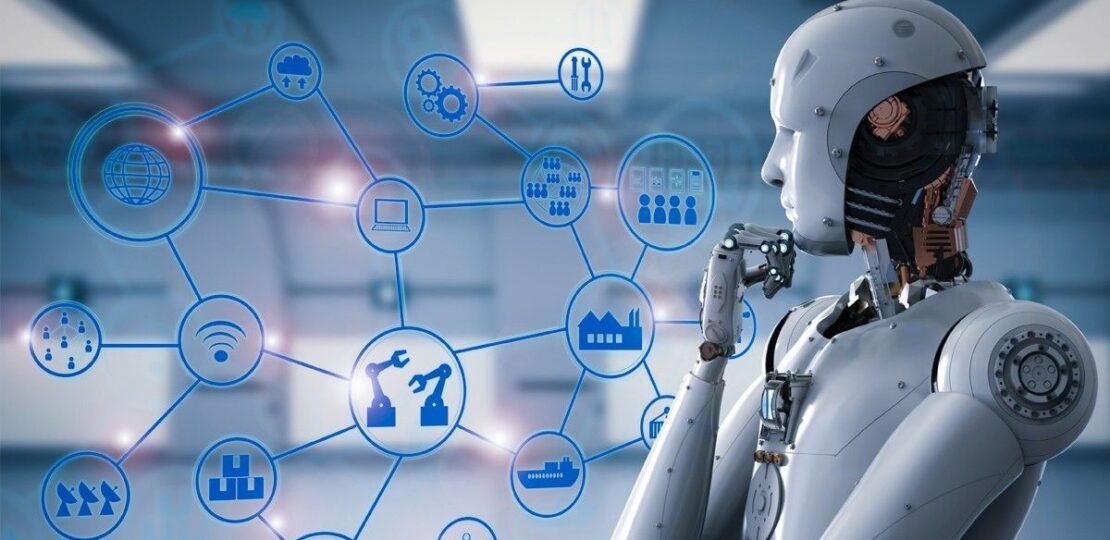
The integration of Artificial Intelligence (AI) in marketing is revolutionizing the industry, enabling brands to offer highly personalized experiences to consumers. As AI technology continues to evolve, its applications in marketing have expanded, providing marketers with powerful tools to tailor content, predict customer behavior, and automate tasks. This article explores the transformative role of AI in marketing personalization and the key factors driving its adoption. Let’s delve into how AI is reshaping the marketing landscape, creating more meaningful interactions, and setting new standards for customer engagement.
Key Takeaways
- AI-driven personalization in marketing is enhancing user experiences by delivering tailored content and interactions based on individual preferences and behaviors.
- The demand for personalized marketing is met by AI’s ability to handle large-scale customized content delivery, improving customer experiences and satisfaction.
- AI-driven efficiency and automation are game changers in marketing, streamlining operations and transforming repetitive tasks into strategic opportunities.
- Predictive analytics powered by AI are creating personalized customer journeys, anticipating needs, and boosting engagement and conversion rates.
- Integrating AI across various marketing channels enables a unified approach, overcoming data overload, and driving the adoption of sophisticated marketing strategies.
The Rise of AI-Driven Personalization in Marketing
Tailoring User Experiences with Machine Learning
As I delve into the world of AI-driven personalization, I’ve witnessed firsthand the transformative power of machine learning in marketing. AI’s ability to analyze individual user behavior and preferences has enabled me to deliver content that resonates on a deeply personal level. This isn’t just about improving user experience; it’s about creating a journey that connects emotionally with each audience member.
The benefits of integrating AI into digital marketing are clear and multifaceted:
- Tailored content delivery that aligns with individual preferences
- Enhanced customer experience through personalized recommendations
- Efficient content generation and optimization for SEO
- Automation of repetitive tasks, allowing a focus on strategic planning
AI-driven personalization and marketing analytics revolutionize customer engagement, loyalty, and content creation for SMBs, balancing tailored experiences with privacy safeguards.
The demand for personalized experiences is not just a fleeting expectation; it’s a necessity. Consumers crave customization, and AI equips marketing teams to deliver this at scale. By meeting individual customer needs effectively, AI not only enhances the customer experience but also fosters loyalty and trust.
Content Generation and Optimization through AI
As I delve into the realm of AI in marketing, I’ve witnessed firsthand the transformative power of AI in content generation and optimization. AI content creation is the newest content marketing trend, and it’s reshaping how we approach content strategy. With AI, businesses can optimize content for their target audience more effectively, ensuring that each piece resonates and ranks well in search results.
AI tools are now indispensable for content optimization, offering real-time suggestions for SEO, readability, and engagement. These tools analyze top-performing content and provide actionable insights, which is crucial for staying ahead in the competitive digital landscape. For instance, AI can suggest improvements for better SEO performance, helping content to stand out.
The integration of AI in content creation and optimization not only enhances efficiency but also elevates the quality of the content we produce.
Moreover, AI’s role in automating repetitive tasks cannot be overstated. It allows us to focus on strategic decision-making while handling tasks like email segmentation and customer service inquiries. Here’s how AI is revolutionizing content marketing:
- Generating basic written content for reports, news updates, and product descriptions.
- Providing insights on trending topics and keyword suggestions.
- Analyzing and suggesting content structure for improved SEO.
- Optimizing for voice search by understanding natural language queries.
Automating Marketing Tasks to Enhance Strategic Focus
As I delve deeper into the realm of AI marketing automation, I’ve come to appreciate its transformative power. By leveraging AI, marketers can focus on strategic planning and designing unique campaigns that resonate with their audience. It’s not just about streamlining operations; it’s about redefining the role of the marketer.
- AI automates repetitive tasks like customer segmentation and email marketing.
- It enables the creation of more personalized, engaging content.
- Marketers gain time to focus on strategy and creativity.
AI’s predictive capabilities extend beyond mere automation. It analyzes past interactions and trends, offering enhanced customer insights that inform strategic decisions. This foresight is invaluable in staying ahead of consumer needs and market shifts.
The competitive landscape is evolving, and those who harness AI’s potential in marketing automation will find themselves at an advantage. It’s a journey I’m excited to be a part of, as we move towards a future where personalization and efficiency are not just goals, but standards.
Understanding Consumer Demand for Personalized Marketing

Delivering Customized Content at Scale
As I delve into the world of marketing personalization, I’m struck by the transformative power of AI. It’s not just about making things easier; it’s about redefining the customer experience. With AI, I can now deliver customized content to a vast audience, each receiving a message that resonates with their unique preferences and behaviors.
The efficiency AI brings to the table is nothing short of remarkable. It empowers me to move beyond traditional methods and leverage data in previously unimaginable ways. Here’s how AI is making a difference:
- AI enables unparalleled personalization in digital marketing, tailoring content to individual user preferences.
- AI assists in generating and optimizing content, making it easier to produce relevant, SEO-friendly material efficiently.
- AI automates repetitive marketing tasks, freeing up time for strategic decision-making.
The AI revolution in marketing is not just about automation; it’s about creating a connection. By delivering personalized content at scale, I’m able to engage with each customer in a way that feels intimate and genuine, despite the vast numbers. This is the future of marketing—personal, efficient, and driven by AI.
Meeting Individual Customer Needs with AI
As I delve into the world of personalized marketing, I’ve come to appreciate the power of AI in understanding and meeting the unique needs of each customer. AI-powered analytics and personalized marketing strategies are not just buzzwords; they are the engines driving growth for businesses of all sizes. By enhancing customer engagement and loyalty, AI tools significantly improve operational efficiency.
The key to success lies in selecting the right AI tools and integrating them seamlessly with existing marketing efforts.
AI doesn’t just predict customer needs; it actively shapes the customer journey. By analyzing past interactions, AI can anticipate future behaviors, allowing me to tailor my approach and offer a truly personalized experience. This isn’t just about efficiency; it’s about creating a competitive advantage that resonates with customers on an individual level.
Here’s how AI is transforming the marketing landscape:
- Learning from interactions: AI chatbots and customer service platforms continuously improve, offering better support over time.
- Enhanced customer insights: Predictive analytics enable me to anticipate customer needs and tailor my marketing strategies accordingly.
- Efficiency and automation: AI automates tasks like email segmentation, freeing up time for more strategic work.
The Impact of Personalization on Customer Experience
As I delve into the world of marketing personalization, I’ve come to realize the profound impact it has on customer experience. Personalization at scale is essential in marketing, leveraging AI tools to tailor experiences and content. This isn’t just about being relevant; it’s about creating a connection that resonates on a deeply personal level.
The magic of AI-driven personalization lies in its ability to transform a generic marketing message into a conversation that feels one-on-one. Even as we cater to a global audience, the individual feels seen and understood.
The benefits of this approach are clear. Customers are more likely to engage with content that mirrors their interests and behaviors. This engagement isn’t just fleeting; it fosters loyalty and trust over time. TikTok, for instance, emerges as a powerful platform for brand visibility and audience engagement, showcasing the dynamic nature of personalized marketing in action.
Here’s a snapshot of how personalization enhances customer experience:
- Increased relevance of content and recommendations
- Higher engagement rates with tailored marketing campaigns
- Improved customer loyalty through meaningful interactions
- Greater conversion rates as a result of targeted messaging
Efficiency and Automation: The Game Changers in Marketing
Streamlining Operations with AI
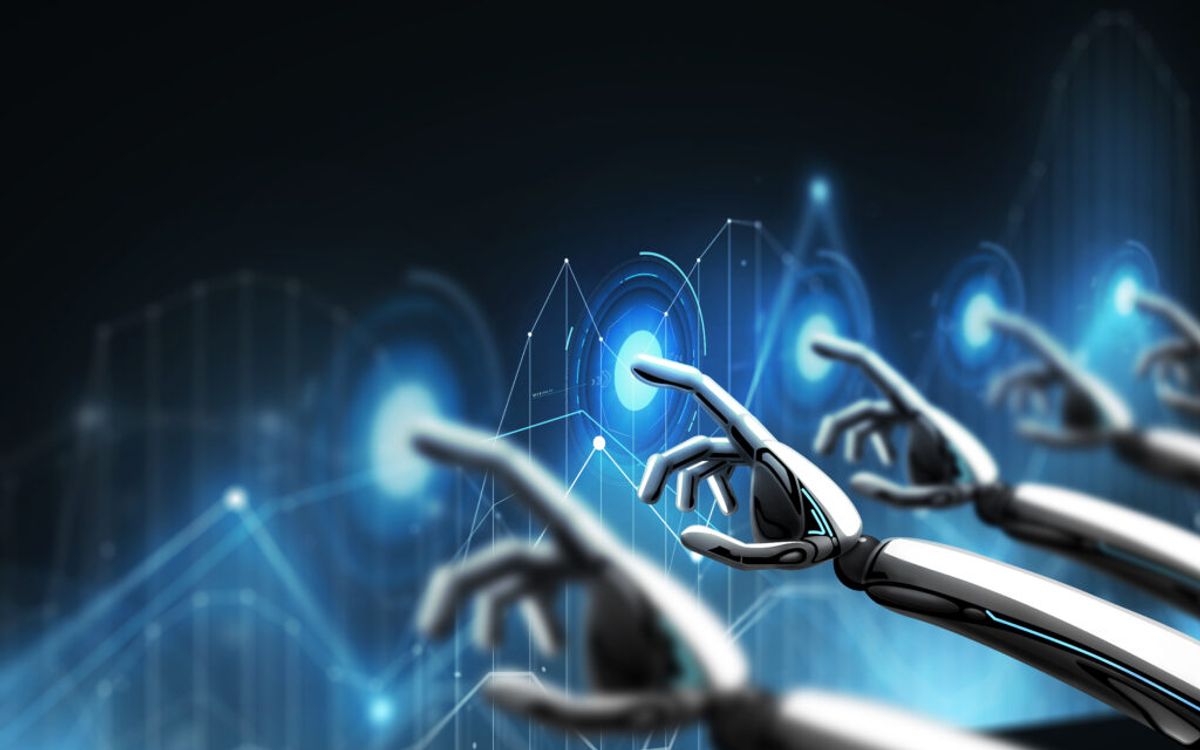
In my journey through the marketing landscape, I’ve witnessed firsthand the transformative power of AI in streamlining operations. AI marketing tools have revolutionized the way we approach our workflows, enabling us to automate tasks that once consumed vast amounts of time and resources. This automation extends across various facets of marketing, from customer segmentation to email marketing, and even content creation.
By leveraging AI, we’re not just improving efficiency; we’re also enhancing our strategic capabilities. It allows us to shift our focus from the mundane to the creative, from the repetitive to the strategic.
The benefits of integrating AI into marketing operations are clear and multifaceted:
- AI provides real-time analytics, offering immediate insights into campaign performance.
- It enables automated decision-making, optimizing everything from budget allocation to targeting strategies.
- AI-driven personalization tailors content to individual user preferences, elevating customer experiences.
Ultimately, the adoption of AI in marketing is not just about keeping up with technology; it’s about gaining a competitive edge and ensuring sustainable growth.
The Role of AI in Marketing Efficiency
In my journey through the marketing landscape, I’ve witnessed firsthand the transformative power of AI. It’s not just about automating tasks; it’s about redefining the way we approach marketing. AI has become an indispensable tool for enhancing efficiency, allowing us to automate repetitive tasks like customer segmentation and email marketing. This automation frees up valuable time, enabling marketers like myself to concentrate on strategy and creativity.
AI’s predictive capabilities are a game-changer. By analyzing past interactions and trends, AI helps us anticipate consumer behavior, tailor our approaches, and stay one step ahead. Here’s how AI is reshaping our marketing efforts:
- Unparalleled personalization, adapting content to individual user preferences.
- Generating and optimizing SEO-friendly content more efficiently.
- Freeing up time for strategic decision-making by automating tasks.
The competitive landscape in digital marketing is fierce, and AI provides a significant edge. It’s not just about keeping up; it’s about leading the charge. As AI evolves, so does its role in our field, challenging us to innovate and reimagine the possibilities of our craft. The rapid adoption of AI in marketing is a testament to its impact, and I’m excited to see where it takes us next.
Transforming Repetitive Tasks into Strategic Opportunities
In my journey through the evolving landscape of marketing, I’ve witnessed firsthand the transformative power of AI in reshaping mundane tasks into strategic assets. Automating repetitive tasks not only streamlines operations but also unlocks new avenues for creativity and strategic thinking. By delegating tasks such as customer segmentation and email marketing to AI, I’ve seen companies lower costs and scale operations with unprecedented ease.
The reallocation of human talent from routine tasks to areas of innovation and strategy has been a game-changer. It’s not just about saving time; it’s about enhancing the capacity to innovate and compete.
Moreover, the integration of AI into marketing strategies is not a one-time affair. It demands continuous learning and adaptation to keep up with rapid advancements. Here’s a list of areas where AI can significantly impact:
- Predicting consumer behavior through analysis of past interactions
- Optimizing SEO and SEM for voice search and ad targeting
- Anticipating customer needs for better personalization
Embracing AI tools effectively requires both training for current employees and the strategic hiring of AI-savvy staff. This investment in human capital ensures that the transformative potential of AI is fully realized, turning what were once repetitive tasks into strategic opportunities that propel businesses forward.
Predictive Analytics and Personalized Customer Journeys
Predicting Customer Needs with Advanced AI
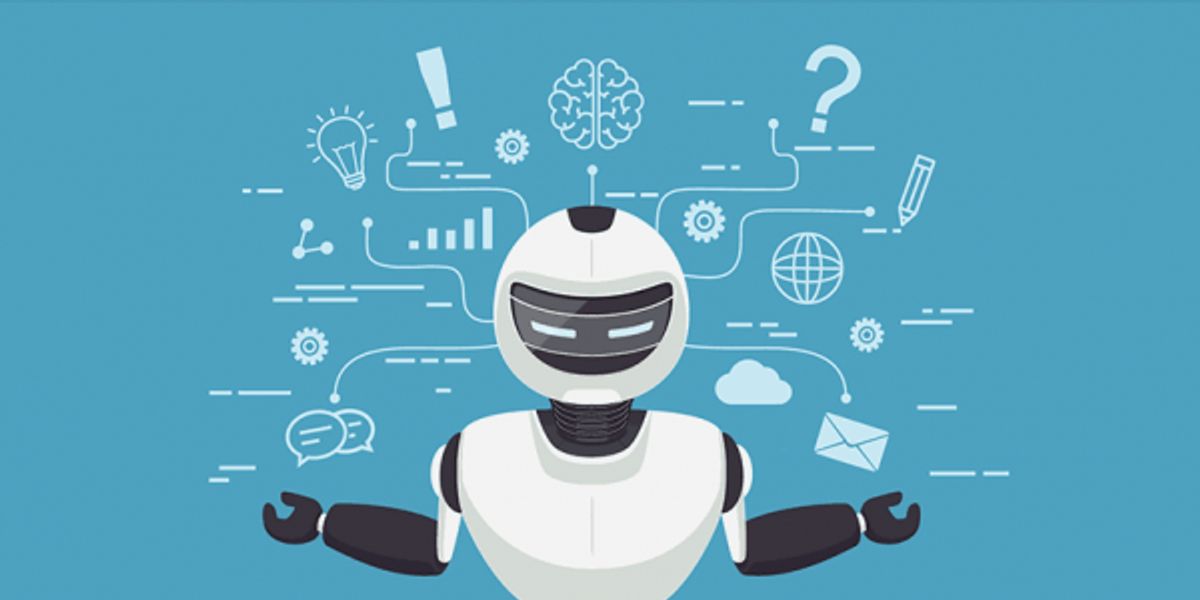
As I delve into the realm of predictive analytics, I’m fascinated by how AI has transformed the art of anticipating customer needs. These AI-powered tools analyze customers’ purchase history and preferences to offer personalized recommendations that lead to better engagement and more sales. By harnessing the power of AI marketing tools, businesses can not only predict future buying behaviors but also tailor their strategies to meet the evolving demands of their audience.
The true power of AI lies in its ability to interpret vast amounts of data to forecast future actions, enabling a proactive approach to marketing that feels almost prescient.
For instance, consider the way Amazon uses predictive analytics to suggest products that resonate with individual users’ past behaviors. This level of personalization is not just impressive; it’s becoming the expected norm. Here’s a glimpse into the benefits that AI-driven predictive analytics brings to the table:
- Enhanced customer engagement: By predicting what customers want, businesses can create more compelling and relevant experiences.
- Increased sales: Personalized recommendations often lead to higher conversion rates and more sales.
- Strategic foresight: With predictive insights, marketers can plan more effectively, staying ahead of market trends and customer expectations.
In this rapidly evolving landscape, staying ahead means embracing the predictive capabilities of AI, ensuring that every customer interaction is not just a transaction, but a step towards building a lasting relationship.
Mapping and Influencing Customer Actions
As I delve into the intricacies of customer journey mapping, I’m struck by the transformative power of AI in this domain. AI’s predictive analytics aids in identifying potential future touchpoints, offering a crystal-clear picture of the customer’s path. This isn’t just about understanding where a customer has been; it’s about anticipating where they’re headed and strategically placing our brand along that route.
The era where demographic segmentation ruled targeted marketing is over. Today, AI empowers us to analyze a plethora of behavioral data, purchase history, and even social media activities to uncover what genuinely motivates and interests our audience.
AI-driven predictive analytics empowers us to anticipate customer needs and issues before they arise, allowing for a proactive rather than reactive approach. Here’s how AI is reshaping the customer journey:
- Predicting customer needs with advanced AI models.
- Enhancing engagement and conversion rates by mapping out future customer actions.
- Real-time engagement with customers through AI-powered chatbots and virtual assistants.
By integrating AI across various channels, we achieve a 360-degree view of the customer, ensuring that no touchpoint is left unoptimized. The impact is clear: a more responsive brand presence and a customer journey so smooth it feels almost predestined.
Enhancing Engagement and Conversion with Predictive Models
As I delve deeper into the realm of predictive analytics, I’ve come to appreciate its profound impact on marketing strategies. Predictive models are revolutionizing the way we engage with customers and drive conversions. By analyzing historical data and identifying patterns, these models enable us to anticipate customer needs and tailor our marketing efforts accordingly.
The true power of predictive analytics lies in its ability to transform insights into action. It’s not just about predicting the future; it’s about creating it.
For instance, consider the e-commerce sector where AI-powered analytics tools optimize sales forecasts, personalize customer experiences, and enhance inventory and pricing strategies, leading to increased efficiency and profitability. Here’s a glimpse of how predictive analytics can be applied:
- Forecasting customer demand to manage inventory more effectively.
- Personalizing product recommendations to increase relevance and appeal.
- Optimizing pricing strategies to maximize revenue while maintaining competitiveness.
The integration of predictive models into marketing strategies is not just a trend; it’s a paradigm shift that is setting new standards for customer engagement and business success.
Integrating AI Across Marketing Channels for a Unified Approach
Achieving 360-Degree AI Integration
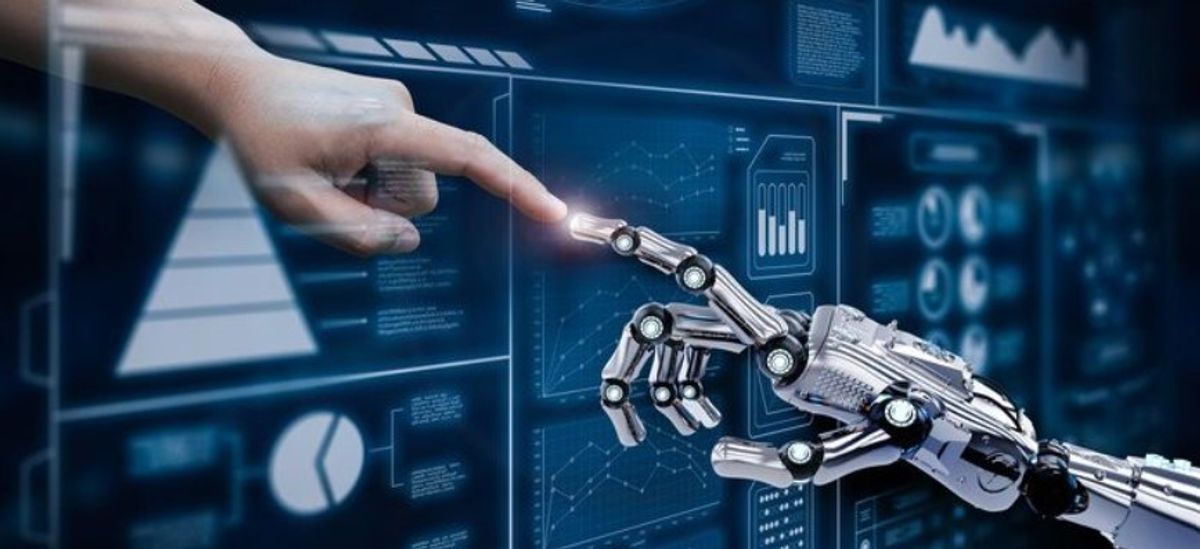
As I delve into the realm of 360-degree AI integration, I’m struck by the transformative potential it holds for marketing. By weaving AI seamlessly across all digital marketing channels, we can offer a truly unified customer experience. This integration touches every touchpoint, from social media to email marketing, ensuring that each interaction is informed by a comprehensive understanding of the customer.
The key to this holistic approach lies in the ability to aggregate and analyze data from disparate sources, creating a singular view of the customer journey. This unified perspective enables us to predict and respond to customer needs with unprecedented precision.
However, the path to full integration is not without its challenges. Technical complexities and skill gaps can present significant hurdles. To overcome these, starting with pilot projects and scaling up, as well as fostering collaboration with AI experts, can be effective strategies. Moreover, establishing an ethical AI framework is crucial to guide responsible technology use.
Ultimately, the goal is to harness AI not just as a tool, but as a core component of marketing strategy, driving advanced personalization and predictive customer journeys that resonate on a deeper level.
Overcoming Data Overload with AI
In my journey through the labyrinth of marketing data, I’ve found that AI is the torch that lights the way. AI’s ability to filter and analyze data transforms the overwhelming flood of information into actionable insights. By adopting data management tools, I can pull information from multiple sources into one destination, gaining crucial visibility over my marketing landscape.
The key to mastering data overload is not just in the collection, but in the smart interpretation and utilization of that data.
Collaboration with AI experts has been instrumental in navigating the complexities of AI integration. It’s not just about having the tools; it’s about understanding how to wield them effectively. Here’s a list of steps I’ve taken to ensure that my marketing strategies are not just data-driven, but data-mastered:
- Partner with AI professionals or consulting firms.
- Develop an ethical framework for AI use.
- Implement robust cybersecurity measures.
- Start with pilot projects for AI integration.
- Continuously learn and adapt to manage AI technologies.
By following these steps, I’ve been able to turn the challenge of data overload into a competitive advantage, enhancing customer engagement and optimizing marketing performance.
Key Factors Driving the Adoption of AI in Marketing
As I delve into the key factors driving the adoption of AI in marketing, it’s clear that the landscape is rapidly evolving. The digital age has brought about a data overload, with marketing specialists inundated by information from countless channels. AI stands out as a beacon of hope, offering the ability to filter, analyze, and leverage this data to make informed decisions.
The demand for personalization is not just a trend; it’s a customer expectation that AI is uniquely equipped to meet.
In the competitive digital marketplace, gaining an edge is crucial. AI empowers businesses to enhance customer engagement and optimize marketing performance, providing a competitive advantage that’s hard to ignore. The historical context of AI’s emergence in digital marketing reveals a pivotal shift in strategy, with rapid advancements transforming AI from a theoretical concept to a practical, indispensable tool.
- Technological advancements such as machine learning, natural language processing, and big data analytics have enabled AI to analyze vast amounts of data with precision and speed.
- AI’s roots can be traced back to the mid-20th century, but its significant traction in digital marketing has been seen predominantly in the last decade.
- These advancements have not only uncovered insights that were previously unknown but have also enhanced the ability of digital marketers to understand customer behaviors and preferences.
Embracing the Future of AI-Driven Personalization in Marketing
As we conclude our exploration of AI and personalization in marketing, it’s clear that the integration of artificial intelligence is not just reshaping strategies—it’s redefining the very fabric of customer engagement. The ability of AI to analyze vast amounts of data and deliver tailored experiences is transforming the marketing landscape, offering unprecedented levels of personalization. Marketers who embrace this technology will find themselves at the forefront of a new era, where personalized marketing is not just preferred but expected by consumers. The future of marketing is undeniably personalized, and AI is the catalyst driving this evolution. As we move forward, the synergy between AI and marketing will continue to grow, leading to more innovative and emotionally resonant experiences for customers worldwide.
Frequently Asked Questions
How is AI transforming personalization in marketing?
AI is revolutionizing marketing personalization by using machine learning and data analytics to deliver content, recommendations, and experiences that cater to each individual’s unique preferences and behaviors, creating a more personal and emotional connection with the audience.
What are the benefits of using AI for content generation and optimization?
AI aids in content generation and optimization by making it easier for marketers to produce relevant, SEO-friendly material efficiently. It analyzes user behavior and preferences to serve personalized content, improving engagement and customer experience.
How does AI-driven personalization impact customer experience?
AI-driven personalization enhances customer experience by delivering customized content and interactions at scale. This not only meets individual customer needs effectively but also fosters deeper engagement and a sense of value among consumers.
In what ways does AI contribute to marketing efficiency and automation?
AI contributes to marketing efficiency by automating repetitive tasks such as email segmentation and customer service inquiries. This allows marketing teams to focus on strategic decision-making and streamlines operations, transforming repetitive tasks into opportunities for strategic growth.
How can predictive analytics influence personalized customer journeys?
Predictive analytics uses historical data to predict future customer needs and behaviors, enabling marketers to map out and influence customer actions. This leads to enhanced engagement, improved conversion rates, and a more personalized marketing experience.
What are the key factors driving the adoption of AI in marketing?
The key factors driving AI adoption in marketing include the overwhelming amount of data from various channels, the demand for personalized marketing strategies, and the need to integrate AI across marketing channels for a unified, efficient approach.
RELATED POSTS
View all



ECommerce Marketing Techniques For Boosting Online Sales
February 25, 2024 | by Winson Yeung