Cryptocurrency Wallets: Choosing The Right One For Security
March 14, 2024 | by Winson Yeung
In the fast-evolving world of digital finance, selecting the right cryptocurrency wallet is paramount for maintaining the security and accessibility of your digital assets. With a plethora of options available, it’s essential to understand the different types of wallets, their security features, ease of use, compatibility, and cost implications. This article aims to guide you through the process of choosing a cryptocurrency wallet that not only meets your security needs but also aligns with your usage habits and budgetary constraints.
Key Takeaways
- Understand the difference between hot and cold wallets to choose one that fits your usage patterns and security requirements.
- Prioritize wallets with robust security features such as two-factor authentication, multi-signature support, and a proven security track record.
- Look for user-friendly wallets with intuitive interfaces, comprehensive customer support, and educational resources to enhance your experience.
- Ensure the wallet is compatible with the cryptocurrencies you intend to use and offers seamless cross-platform functionality and regular updates.
- Consider the cost of the wallet and weigh the security benefits against the price to find a wallet that offers the best value for your investment.
Understanding Wallet Types: Hot vs. Cold Storage

Defining Hot and Cold Wallets
When I first dipped my toes into the world of cryptocurrency, I quickly realized the importance of understanding the different types of wallets available. Hot wallets are like the wallets we carry in our pockets, always connected and ready for transactions. They’re accessible through software like desktop and mobile apps, or even online exchanges. On the flip side, cold wallets are the vaults of the crypto world, keeping your digital currency offline and away from potential online threats.
- Hot Wallets: Always online, convenient for frequent transactions.
- Cold Wallets: Offline storage, enhanced security for your assets.
As a beginner in cryptocurrency, it’s crucial to grasp the distinction between hot and cold wallets. This knowledge not only helps in making informed decisions but also in managing risks effectively.
Choosing between a hot or cold wallet often comes down to balancing convenience with security. For those of us who trade often, a hot wallet’s instant access is invaluable. However, if you’re looking to store large amounts of cryptocurrency securely, a cold wallet’s robust protection is unmatched. It’s about finding the right tool for the job, and as someone who’s navigated these waters, I can attest to the peace of mind that comes with making the right choice.
Pros and Cons of Hot Wallets
When I consider the convenience of hot wallets, I can’t help but appreciate their ease of use. They’re software-based and always connected to the internet, making them perfect for regular transactions. I can access my assets from anywhere, and in case I lose my private key, recovery is often simpler than with cold wallets.
However, this constant online presence comes with heightened security risks. Hot wallets are susceptible to cyberattacks, with hackers targeting vulnerabilities or using malware to gain access. This is especially true for wallets on crypto exchanges, which are prime targets for theft.
Here’s a quick rundown of what I’ve learned about hot wallets:
-
Pros:
- Highly convenient and accessible
- Easier recovery of access
-
Cons:
- Greater risk of cyberattacks
- Vulnerable to software exploits
It’s crucial to balance the convenience of hot wallets with robust security measures. Using strong passwords, enabling two-factor authentication, and limiting the amount of cryptocurrency stored can mitigate some of the risks.
Pros and Cons of Cold Wallets
When I consider the security of my cryptocurrency, cold wallets often stand out as a robust choice. They provide a high level of security by keeping my crypto keys offline, which shields them from online hacking attempts. This is particularly crucial for me when I’m storing large amounts of cryptocurrency that I don’t need to access frequently.
However, the trade-off for this security is convenience. Cold wallets are not as handy for quick transactions compared to their hot counterparts. I’ve found that they require more steps to transfer funds, which can be a bit cumbersome when I’m looking to make a fast trade or payment.
The biggest trade-off between hot and cold wallets is between security and convenience.
Here’s a quick rundown of the pros and cons I’ve experienced with cold wallets:
-
Pros:
- Enhanced security from offline storage
- Reduced risk of online attacks
- Suitable for long-term holding
-
Cons:
- Less convenient for regular transactions
- Risk of losing access if private keys are misplaced
- Can be more complex to set up and use
In the end, my choice between a hot wallet and a cold wallet hinges on what I value more for my crypto assets—security or accessibility.
Making the Right Choice for Your Needs
In my journey through the crypto space, I’ve learned that choosing the right wallet is crucial for ensuring the security and accessibility of my digital assets. It’s not just about picking the most popular option; it’s about finding the perfect balance that suits my unique situation.
- Hot Wallets: Ideal for frequent transactions and ease of access.
- Cold Wallets: Best for long-term storage and enhanced security.
The decision between a hot wallet and a cold wallet should be made after careful consideration of your investment habits and security requirements.
Ultimately, the choice comes down to a trade-off between convenience and security. If I’m actively trading or spending crypto, a hot wallet provides the quick access I need. However, if my priority is to safeguard my investments against potential threats, a cold wallet offers the peace of mind I seek. It’s about aligning my wallet choice with my daily crypto activities and long-term goals.
Security Features to Look for in a Crypto Wallet
The Importance of Two-Factor Authentication
When I first delved into the world of cryptocurrencies, I quickly learned that security is paramount. Two-Factor Authentication (2FA) is a critical layer of security that I now consider non-negotiable for any crypto wallet I use. 2FA seeks to enhance the security of online accounts by introducing an additional layer of verification. This is not just for emails or social media; it’s widely used for banks, e-commerce sites, business systems, workplaces, and, crucially, crypto wallets, protecting them from unauthorized access.
The beauty of 2FA is that it combines something you know, like a password, with something you have, such as a mobile device or a hardware token. This dual approach significantly reduces the risk of unauthorized access, as a potential intruder would need both elements to breach your account.
Here’s why I prioritize setting up 2FA on any cryptocurrency wallet:
- It adds an extra hurdle for anyone attempting to access your account.
- Even if your password is compromised, 2FA can prevent unauthorized access.
- Many wallet providers now offer various forms of 2FA, including SMS, authenticator apps, and hardware tokens.
Remember, the goal is to keep your digital assets as secure as possible. While no system is impervious to attacks, 2FA is a simple yet effective tool in your security arsenal.
Understanding Multi-Signature Support
When I first delved into the world of cryptocurrencies, I quickly realized that security is paramount. Multi-signature support, often referred to as ‘multisig’, is a feature that enhances the security of a cryptocurrency wallet by requiring multiple private keys to authorize a transaction. This means that even if one key is compromised, the assets remain secure as unauthorized transactions cannot be completed without the additional keys.
Here’s a simple breakdown of how multisig works:
- Each transaction requires more than one signature to be completed.
- The wallet owners decide on the number of keys and signatures required.
- Signatures can come from different devices or individuals, adding layers of security.
The beauty of multisig is that it distributes trust among multiple parties, which is especially useful for organizations or groups managing joint funds.
While multisig offers significant security benefits, it’s important to consider the potential complexity it can introduce. Setting up a multisig wallet might require a deeper understanding of how cryptocurrency transactions work, and coordinating between key holders can sometimes be a logistical challenge. Nevertheless, for those concerned with security risks and fraud, multisig provides a robust solution to protect against unauthorized access to funds.
The Role of Encryption in Protecting Your Assets
When I think about the security of my cryptocurrency, encryption is the first line of defense. It’s the cryptographic technique that secures my private keys, ensuring that only I have access to my digital assets. Without strong encryption, my wallet might as well be an open vault.
Encryption methods vary, but AES-256 is commonly regarded as the gold standard. Here’s a quick rundown of encryption types I’ve encountered:
- AES-256: Military-grade encryption used by governments.
- RSA-2048: Often used for securing communications.
- ECC (Elliptic Curve Cryptography): Gaining popularity for its strong security with shorter key lengths.
I always make sure to choose a wallet that employs robust encryption protocols. It’s a non-negotiable feature for me. After all, the strength of encryption directly impacts the impenetrability of my wallet.
Remember, the complexity of the encryption algorithm is what stands between my assets and potential unauthorized access. It’s essential to not compromise on this aspect of security.
Lastly, I keep an eye out for wallets that offer regular updates and patches. This ensures that the encryption stays ahead of any potential vulnerabilities that could be exploited by cybercriminals. It’s a dynamic landscape, and staying vigilant is key to safeguarding my investments.
Assessing the Track Record of Wallet Providers
When I’m considering a cryptocurrency wallet, I always take a moment to scrutinize the provider’s track record. It’s not just about the features; it’s about the reliability and integrity of the service over time. The longevity and reputation of a wallet provider can be a testament to its security and customer satisfaction.
I’ve learned to look for providers that have undergone rigorous testing and evaluation. For instance, some organizations use a proprietary assessment process that scores providers on a range of factors, resulting in a star rating system. This can be incredibly helpful in gauging the overall quality of a wallet.
It’s crucial to not only read through the methodology of these assessments but also to understand the categories that carry the most weight. Safety, for example, is a category I never compromise on.
Here’s a quick checklist I use to assess a provider’s credibility:
- Look for multi-factor authentication and strong security protocols.
- Check if the wallet’s code is open-source and if it supports multi-signature transactions.
- Investigate the provider’s history for any security breaches or customer service issues.
- Consider the provider’s overall star rating and read detailed reviews when available.
Ease of Use: Finding a User-Friendly Crypto Wallet
Navigating the User Interface
When I first delved into the world of cryptocurrencies, I quickly realized that the user interface (UI) of a wallet can make or break the experience. A well-designed UI should be intuitive and straightforward, allowing you to manage your assets with ease. Here’s what I look for in a wallet’s UI:
- Clarity: The layout should be clean, with clear labels for each function.
- Efficiency: Critical actions like sending and receiving should be quick to access.
- Consistency: The design should be uniform across different platforms, whether mobile or desktop.
The goal is to minimize confusion and ensure that you can confidently navigate your wallet, even as a beginner.
I remember when I first used Coinbase; it was touted as the ‘Best for Beginners’ for a reason. The simplicity of its UI was a breath of fresh air. On the other hand, wallets like Ledger offer robust security but can be intimidating at first glance. It’s about finding that balance between user-friendliness and functionality. For instance, Exodus is renowned for its sleek desktop interface, which is why it’s often recommended as the ‘Best for Desktop‘.
Mobile and Desktop Wallet Accessibility
In my quest to find the perfect cryptocurrency wallet, I’ve realized that accessibility is a key factor. Mobile wallets offer the convenience of managing assets on the go, as highlighted by Guarda’s high user rating for its mobile accessibility. On the other hand, desktop wallets provide a stable and often more feature-rich environment for managing crypto assets from the comfort of your home or office.
When considering a wallet, it’s crucial to evaluate how well it integrates with your lifestyle. Whether you’re a frequent traveler or someone who prefers a stationary setup, the wallet’s compatibility with mobile and desktop platforms can greatly influence your experience.
Here’s a quick comparison of mobile and desktop wallet features:
- Mobile Wallets: Typically app-based, offering quick access and payment options like Crypto Cards for on-the-spot transactions.
- Desktop Wallets: Software-based, often with more advanced features and integration with hardware wallets for enhanced security.
Choosing between mobile and desktop wallets doesn’t have to be an either-or decision. Many providers, such as Trust Wallet, offer solutions that cater to both platforms, including additional perks like built-in Web3 browsers for engaging with dApps and NFTs. The key is to find a wallet that aligns with your daily habits and security requirements.
Backup and Recovery Options
I’ve learned that having backup and recovery options is fundamental for any cryptocurrency wallet. It’s not just about securing your assets; it’s about ensuring you can always regain access, even in the worst scenarios. For instance, if my device is lost or fails, I need to be confident that I can restore my wallet without a hitch.
The cornerstone of wallet recovery is the seed phrase, a series of words provided by many wallets that allows you to recover your funds. I make it a point to understand this process thoroughly and keep my recovery information in a secure location. Some wallets go a step further, offering encrypted backups or multi-signature options for enhanced security.
It’s essential to note that if you lose your recovery seed phrase, the consequences can be dire. Without it, regaining access to your wallet could be impossible, leading to a permanent loss of assets. Therefore, I always keep multiple copies of my seed phrase in different secure locations.
Here’s a quick checklist I follow to ensure my backup and recovery bases are covered:
- Understand the backup process of your wallet.
- Securely store your recovery seed phrase.
- Consider wallets with additional security features like encryption or multi-signature support.
- Regularly update your wallet software to maintain security and feature access.
Customer Support and Educational Resources
When I first ventured into the world of cryptocurrencies, I quickly realized the importance of having access to reliable customer support and comprehensive educational resources. Navigating the complexities of crypto wallets can be daunting, especially for newcomers. A responsive help center and a knowledgeable support team are invaluable for addressing any issues that may arise.
Moreover, a strong community presence and detailed security FAQs can empower users with the knowledge to make informed decisions. It’s not just about troubleshooting; it’s about growing your understanding of strategic crypto trading on major platforms like Binance, Coinbase, and Robinhood, which is essential for consistent profits.
The right wallet provider should offer a blend of support options and learning materials to help users at every stage of their journey.
Here’s a quick list of resources you might expect from a top-tier wallet provider:
- Help center for immediate assistance
- Dedicated support team for personalized help
- Active community forums for peer advice
- Comprehensive security FAQs to educate on best practices
- Legal and privacy resources to understand your rights
Remember, the availability and quality of these resources can greatly enhance your experience and confidence in managing your digital assets.
Compatibility and Support: Ensuring a Smooth Experience
Supported Cryptocurrencies and Tokens
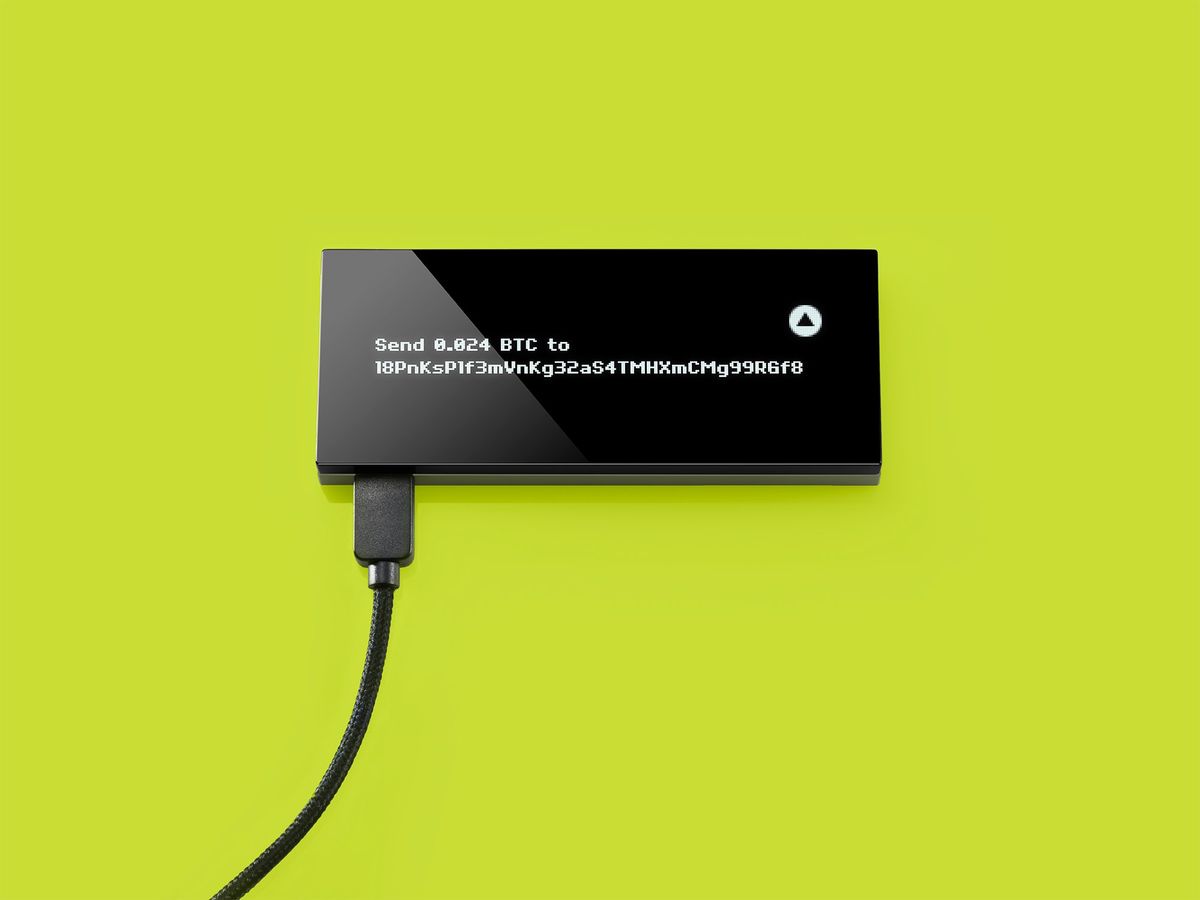
When I’m evaluating a cryptocurrency wallet, the range of supported digital assets is a critical factor. The ability to store various cryptocurrencies in a single wallet simplifies my investment management and allows for a diversified portfolio. Popular multicurrency wallets like Exodus, Ledger Nano S/X, and Coinomi have become my go-to choices for their secure and user-friendly solutions.
The importance of a wallet’s compatibility with a wide array of digital assets cannot be overstated. It’s not just about Bitcoin and Ethereum anymore; I look for support for the top 20 cryptocurrencies by market capitalization, as well as popular stablecoins such as Tether and USDC. This ensures that I have the flexibility to adjust my portfolio as the market evolves.
Moreover, the wallet’s ability to support passive income opportunities, like staking, adds another layer of utility. For instance, wallets that enable on-chain staking of Ethereum or offer rebates on select tokens can enhance my earnings over time. However, it’s essential to verify that the wallet supports the specific cryptocurrencies I plan to store, as not all wallets are compatible with every digital asset.
Cross-Platform Compatibility
When I delve into the world of cryptocurrencies, I’m not just looking for security; I’m also seeking convenience. Cross-platform compatibility is a feature I can’t overlook. It’s essential for me to be able to manage my assets across different devices seamlessly. For instance, I might start a transaction on my desktop and finish it on my mobile while commuting. This flexibility is crucial for staying engaged with my investments no matter where I am.
The ability to switch between platforms without friction is not just a luxury; it’s a necessity in today’s fast-paced digital environment.
I’ve noticed that some wallets, like MetaMask, excel in this area by supporting a wide range of blockchain networks and allowing access to various services such as NFT marketplaces. However, I’m aware that with increased compatibility comes the potential for heightened security risks, especially when operating multiple wallets for the same cryptocurrency. It’s a balance between accessibility and safety that I need to consider carefully.
Here’s a quick checklist I use to evaluate cross-platform compatibility:
- Does the wallet support the operating systems I use?
- Can I access all features on both mobile and desktop versions?
- Is the user interface consistent and intuitive across platforms?
- How often are software updates released, and do they maintain compatibility?
Software Updates and Maintenance
In my journey with cryptocurrencies, I’ve learned that regular software updates are crucial for maintaining security and adding new features. Wallet providers that frequently update their software show a commitment to security and user experience. These updates often include patches for vulnerabilities, which can be critical in protecting your assets from new threats.
- Regular updates and patches
- New feature rollouts
- Security enhancements
It’s essential to choose a wallet that not only offers robust security features but also demonstrates a proactive approach to maintenance and improvements. A wallet that stagnates is more vulnerable to security breaches over time.
Moreover, the maintenance aspect of a wallet goes beyond mere updates. It involves a continuous process of optimizing performance and ensuring compatibility with new cryptocurrencies and tokens. As the blockchain technology revolutionizes cryptocurrency marketing, it’s imperative that your wallet evolves alongside the industry to maintain efficiency and trust.
Community and Developer Support
When I delve into the world of cryptocurrencies, I’ve learned that the strength of a wallet’s community and developer support can be a game-changer. A vibrant community not only troubleshoots issues but also drives innovation. It’s the feedback and ideas from these passionate users that often lead to significant improvements in wallet functionality and security.
- Community Engagement: Active forums, social media presence, and regular meetups.
- Developer Responsiveness: Commitment to addressing bugs and rolling out updates.
- Educational Resources: Availability of comprehensive guides and tutorials.
- Open Source Development: Opportunities for community contributions to the codebase.
Opting for a wallet with robust community and developer support ensures that I’m not left in the dark when I need assistance or when I’m looking for ways to enhance my crypto experience. It’s about being part of an ecosystem that values user input and fosters a sense of belonging.
The table below succinctly captures the essence of community and developer support across different wallets:
| Wallet Name | Community Engagement | Developer Responsiveness | Educational Resources |
|---|---|---|---|
| Wallet A | High | Regular Updates | Extensive |
| Wallet B | Moderate | Occasional Updates | Limited |
| Wallet C | Low | Rare Updates | Minimal |
By considering these aspects, I’m not just choosing a tool to store my digital assets; I’m investing in a platform that will grow and evolve with the ever-changing landscape of cryptocurrency.
Cost Considerations: Balancing Budget and Features
Understanding Wallet Costs and Fees
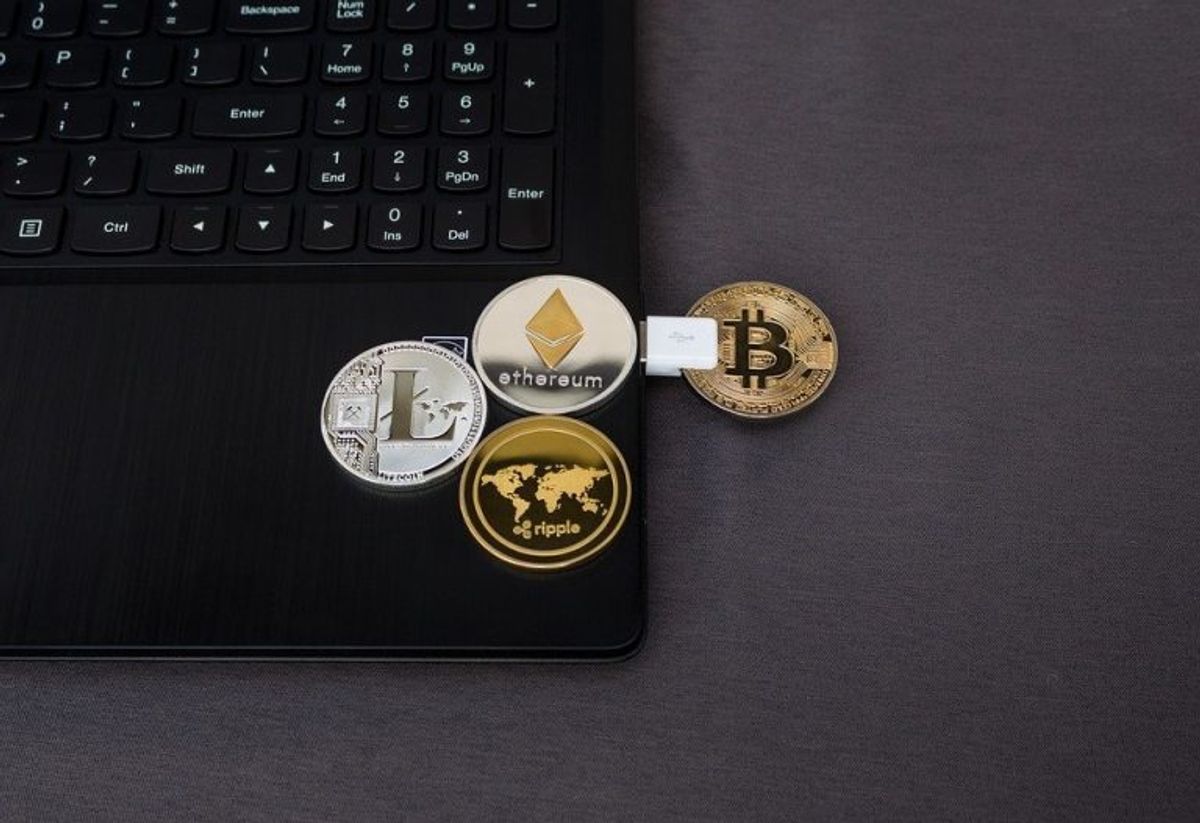
When I began exploring the world of cryptocurrency, I quickly realized that choosing the right wallet is as much about security as it is about cost. Wallet fees can vary significantly, and it’s essential to understand the different fee structures before making a decision.
For hot wallets or exchanges, fees are often related to transactions, such as deposits, withdrawals, and conversions. These can add up, especially if you’re an active trader. On the other hand, cold wallets typically involve a one-time purchase price, but remember to consider the long-term value rather than just the upfront cost.
It’s crucial to balance the initial investment with the features and security offered. A wallet that’s inexpensive upfront may have higher transaction fees or lack critical security features.
Here’s a quick breakdown of potential costs associated with crypto wallets:
- Software wallets: Usually free, but may have transaction fees.
- Hardware wallets: One-time purchase ($50 – $200), but more secure.
Remember, the cheapest option isn’t always the best. Invest in a wallet that aligns with your security needs and trading habits, and always be wary of hidden costs like premium features or necessary software updates.
Comparing Price vs. Security Trade-offs
When I’m evaluating cryptocurrency wallets, the balance between cost and security is always at the forefront of my decision-making process. The biggest trade-off is between security and convenience. Wallets with robust security features, like air-gapped security or multi-signature support, tend to come with a higher price tag. However, these features are crucial for protecting my assets from potential online threats.
For instance, high-security wallets such as Ellipal, which boasts air-gapped security, can range from 139€ to 150€, representing a significant initial investment. On the other hand, wallets that prioritize ease of access, like Coinbase Wallet or Gemini Wallet, may offer a different set of advantages and disadvantages, especially when compared to using a cryptocurrency exchange like Binance.
To strike a better balance, I consider using a combination of wallet types. I keep a smaller, easily accessible amount in a hot wallet for trading and earning interest, while the bulk of my investments are stored in a cold wallet for long-term security.
Ultimately, the choice depends on my personal needs and how much I’m willing to invest for peace of mind. It’s a delicate balance, but one that’s essential to navigate carefully.
Finding the Best Value for Money
When I’m on the hunt for a cryptocurrency wallet that balances cost and features, I always start by comparing the market’s top contenders. For instance, a recent Forbes list of the best crypto wallets provides a solid starting point. I look beyond the price tag and evaluate what each wallet offers in terms of security, ease of use, and support.
- Coinbase Wallet – A versatile hot wallet with robust security features.
- Crypto.com DeFi Wallet – Offers full control over private keys.
- SafePal Crypto Wallet – Affordable with a user-friendly interface.
- Exodus Crypto Wallet – Known for its sleek design and ease of use.
- Coinbase Web3 Wallet – Integrates with decentralized applications.
It’s crucial to remember that the cheapest option isn’t always the wisest choice. Investing a little more in a wallet with superior security and support can save a lot of headaches down the line.
Ultimately, the best value for money comes from finding a wallet that aligns with my personal needs and investment strategy. It’s about striking the right balance between affordability and the peace of mind that comes with knowing my assets are well-protected.
Avoiding Hidden Costs and Scams
When venturing into the world of cryptocurrencies, it’s crucial to stay vigilant against hidden costs and potential scams. Always scrutinize any promises of unrealistic returns, as these are often the bait used by fraudulent schemes to lure unsuspecting investors. A healthy dose of skepticism can save you from falling prey to these traps.
To safeguard my investments, I’ve developed a checklist to help identify red flags:
- Excessive fees that aren’t disclosed upfront
- Lack of transparency about the wallet provider’s operations
- Promises of guaranteed returns or profit
- Pressure to make quick decisions or investments
Remember, if an offer seems too good to be true, it probably is. Taking the time to research and understand the full cost structure of a cryptocurrency wallet can prevent unpleasant surprises down the line.
Finally, don’t hesitate to ask questions and seek out community feedback. The experiences of other users can provide invaluable insights into the reliability and integrity of a wallet provider.
Conclusion
In conclusion, selecting the right cryptocurrency wallet is a pivotal step in ensuring the security and management of your digital assets. Throughout this article, we’ve explored various factors to consider, such as security features, ease of use, compatibility, cost, and customer support. Whether you opt for a hot wallet for its convenience or a cold wallet for enhanced security, the importance of choosing a wallet that aligns with your individual needs cannot be overstated. Remember to conduct thorough research, consider user reviews, and prioritize wallets with robust security protocols. By making an informed decision, you can confidently navigate the digital finance landscape, keeping your crypto holdings secure in an ever-evolving market.
Frequently Asked Questions
What is the difference between hot and cold cryptocurrency wallets?
Hot wallets are connected to the internet and offer convenience for quick transactions, while cold wallets are offline storage options providing enhanced security against online threats, making them ideal for long-term asset holding.
Why is two-factor authentication important for crypto wallets?
Two-factor authentication (2FA) adds an extra layer of security to your crypto wallet, ensuring that even if your password is compromised, an attacker would still need the second factor, such as a mobile device or biometric verification, to access your funds.
How do I choose a crypto wallet that’s easy to use?
Look for wallets with an intuitive user interface, clear instructions, and strong customer support. Mobile and desktop accessibility, as well as comprehensive educational resources, can also contribute to the wallet’s ease of use.
What should I consider regarding wallet compatibility?
Ensure the wallet supports the cryptocurrencies you want to use, offers cross-platform compatibility for different devices, and receives regular software updates to maintain security and functionality.
How can I balance cost and security when choosing a crypto wallet?
Assess the wallet’s fees and features to determine if it provides good value for money. Prioritize essential security features over cost, but be wary of hidden costs and scams that could compromise your assets.
What are some red flags to watch out for when selecting a crypto wallet?
Avoid wallets with a history of security breaches, lack of two-factor authentication or multi-signature support, unclear or absent customer support, and those that are not transparent about their fee structure or have a reputation for hidden costs.
RELATED POSTS
View all


The Impact Of Blockchain On Cryptocurrency Marketing
March 11, 2024 | by Winson Yeung