

Day Trading Cryptocurrency: Strategies For Success
April 3, 2024 | by Winson Yeung

Cryptocurrency day trading is an intricate endeavor that capitalizes on the market’s inherent volatility and liquidity. By buying and selling digital assets within the same trading day, traders aim to profit from short-term price movements. This comprehensive guide delves into the strategies, tools, and mindset needed for success in the fast-paced world of crypto trading. We’ll explore the importance of technical analysis, the various trading strategies available, and the critical role of risk management to help you navigate the complexities of the cryptocurrency market.
Key Takeaways
- Understanding market volatility and 24/7 trading dynamics is crucial for informed decision-making in crypto day trading.
- A successful day trader must cultivate rapid decision-making skills and a disciplined approach to risk management.
- Technical analysis, including candlestick charts and RSI indicators, is essential for identifying profitable entry and exit points.
- Diverse strategies like scalping, arbitrage, and high-frequency trading cater to different risk profiles and trading styles.
- Effective risk management and the strategic use of leverage are key to maximizing profits and minimizing losses in day trading.
Understanding the Cryptocurrency Market Landscape

Characteristics of Crypto Market Volatility
As a day trader in the cryptocurrency realm, I’ve come to appreciate that high volatility creates more opportunities for profit, albeit with increased risk. The crypto market’s tendency for sudden and drastic price changes can be a double-edged sword. On one hand, it offers the potential for substantial gains; on the other, it presents a high risk of significant losses.
The volatile nature of the crypto market presents numerous chances to achieve significant returns on investment in a relatively short period of time.
Understanding the characteristics of market volatility is crucial for developing effective trading strategies. Here’s a quick rundown of what volatility means for us as traders:
- High volatility indicates larger and more frequent price movements, providing a plethora of trading opportunities.
- Conversely, low volatility means fewer and smaller price fluctuations, which can limit trading options.
- The 24/7 trading dynamics of the crypto market allow us to capitalize on volatility whenever it arises, maximizing profit potential.
In the following sections, we’ll explore how to navigate these turbulent waters with informed decision-making and strategic planning.
Liquidity and 24/7 Trading Dynamics
One of the most compelling aspects of the cryptocurrency market is its non-stop trading hours. Unlike traditional markets, crypto exchanges operate 24/7, offering unparalleled flexibility for day traders. This round-the-clock availability means that I can engage in trading activities at any time, which is particularly beneficial for reacting to market changes that occur outside of standard trading hours.
The continuous operation of the market ensures that liquidity is maintained, allowing for efficient trade execution. This is crucial for day trading, where timing and the ability to quickly enter or exit positions can significantly impact profitability. Here’s a brief overview of what this means for us as traders:
- Global Market Access: No matter where I am in the world, I can access the market and trade.
- Opportunity Maximization: I can capitalize on trading opportunities as soon as they arise, without waiting for a market to open.
- Adaptability: The ability to adjust strategies in real-time to sudden market movements or news releases.
The volatile nature of the crypto market, combined with the ability to trade at any hour, presents numerous chances to capture gains. However, it’s important to remember that with increased volatility comes increased risk.
Understanding the trading hours and liquidity patterns of different cryptocurrency exchanges is essential. While the market is always open, liquidity and price movements can vary throughout the day, influenced by a multitude of factors including market news and global events.
The Role of Informed Decision-Making
In the realm of cryptocurrency day trading, informed decision-making is the cornerstone of success. The ability to synthesize market data, trends, and economic indicators into actionable strategies is what separates the proficient traders from the novices. I’ve learned that staying abreast of market conditions and utilizing advanced trading tools are non-negotiable practices.
By immersing myself in the market’s ebb and flow, I’ve honed my skills in identifying the optimal entry and exit points, which are critical in maximizing gains and minimizing losses. Regular engagement with the market sharpens my intuition and reinforces my trading discipline, enabling me to make decisions that are both timely and well-informed.
Here’s a quick rundown of the key components I focus on to stay informed:
- Market sentiment analysis
- Real-time price movement tracking
- Economic indicators and news events
- Utilization of technical analysis tools like Moving Averages (MA) and Relative Strength Index (RSI)
Embracing the volatile world of cryptocurrency trading requires not just understanding the market dynamics and psychology but also using tools like MA, RSI, and Bollinger Bands. I diversify my strategies and ensure I’m always informed to navigate the market’s inherent unpredictability.
Developing a Day Trading Mindset

The Importance of Rapid Decision-Making
In my journey through the world of cryptocurrency day trading, I’ve learned that timing is everything. The market’s heartbeat is erratic, with volatility often presenting both peril and promise within moments. It’s not just about the decisions I make, but the speed at which I make them that often defines my success.
With the fast-paced nature of day trading crypto, timing is crucial. The ability to quickly react to market movements and make split-second decisions can determine the success of a trade.
Here’s a snapshot of the principles I adhere to for rapid decision-making:
- Emotional Discipline: Maintaining composure and avoiding impulsive reactions to market swings.
- Market Monitoring: Keeping a vigilant eye on price charts, news updates, and order books.
- Strategy Evaluation: Continuously refining my trading strategies to adapt to the dynamic market.
Smart investment decisions are the cornerstone of profitability in this arena. A moment’s hesitation or a poorly timed trade can be the difference between a gain and a loss. Therefore, I constantly seek to improve my decision-making process, ensuring that I’m as swift as I am strategic.
Disciplined Risk Management Strategies
In my journey through day trading cryptocurrency, I’ve learned that risk management is the cornerstone of sustained success. It’s not just about the profits you make, but the losses you avoid. Patience and discipline are essential for successful cryptocurrency trading, and here’s how I incorporate them into my strategy:
- Calculated Position Sizing: I start with conservative investment amounts, adhering to a percentage risk rule or fixed amounts to limit potential loss exposure.
- Predefined Stop-Loss Orders: Setting stop-loss levels before entering a trade helps me cap potential losses and stick to my strategy, regardless of market movements.
- Profit-Taking Strategies: I use profit targets and trailing stops to secure gains, ensuring that I don’t let emotions dictate my exit points.
By practicing these strategies in a simulated trading environment, I’ve honed my ability to make informed decisions and maintain emotional discipline, even during market upheavals.
Regularly revisiting and adjusting my risk management plan keeps me prepared for the unpredictable nature of the crypto market. This disciplined approach has been instrumental in protecting my capital and maximizing my trading performance.
Adapting to Market Changes and Trends
As I delve deeper into the world of cryptocurrency day trading, I’ve learned that adapting to market changes and trends is crucial for success. The market is a living entity, constantly evolving with new patterns and shifts in sentiment. To stay ahead, I regularly monitor price movements and utilize advanced trading tools to spot profitable opportunities.
- Cultivate Emotional Discipline: It’s essential to maintain composure and not let emotions like fear or greed dictate my trading decisions.
- Continuously Learn and Adapt: The market won’t wait for anyone. I make it a point to evolve my strategies and learn from each trade, whether it’s a win or a loss.
In this fast-paced market, being flexible and responsive to new information is the key to maintaining an edge over other traders.
By embracing these practices, I position myself to capitalize on trends as they emerge, ensuring that my trading strategy remains robust and responsive to the dynamic nature of the cryptocurrency market.
Technical Analysis and Chart Patterns

Utilizing Candlestick Charts and Moving Averages
I’ve found that mastering candlestick charts is crucial for day trading success. These charts offer a visual representation of market sentiment and potential price movements. By recognizing patterns within the candlesticks, I can anticipate short-term price changes with greater accuracy.
Investing time in understanding how to read these charts is essential. Alongside candlestick analysis, I consider incorporating indicators like moving averages to smooth out price volatility and reveal the underlying trend. The moving averages take the price average over a set number of periods, providing a clearer picture of the market direction.
The trend is your friend, and moving averages are one of the best ways to identify it. When the moving average line slopes upward, it’s a signal that the trend is ascending. Conversely, a downward slope indicates a descending trend. It’s also important to watch for the asset’s price crossing the moving average or when different moving averages cross each other, as these can be critical trading signals.
Here’s a simple breakdown of how I use moving averages in my day trading strategy:
- Identify the overall trend direction using a long-term moving average, like the 200-day.
- Look for short-term price movements and entry points with a shorter moving average.
- Confirm trend reversals when a short-term moving average crosses a long-term moving average.
Identifying Entry and Exit Points with RSI Indicators
The Relative Strength Index (RSI) is a powerful tool in my day trading arsenal, particularly for identifying potential entry and exit points. When the RSI indicates overbought or oversold conditions, it often signals a possible short-term reversal. This can be a prime opportunity to enter or exit a trade, even if the broader market trend may eventually resume.
The RSI not only reflects the current market sentiment but also provides a preemptive glimpse into potential price movements. By comparing the RSI levels with the asset’s price action, I can detect divergences that may indicate an impending reversal.
Utilizing RSI effectively requires a keen eye for detail. Here’s a simple breakdown of how I approach it:
- Monitor the RSI for levels indicating overbought (>70) or oversold (<30) conditions.
- Look for divergence between RSI trends and price movements as a signal for potential reversals.
- Implement trailing stops to lock in gains and prevent emotional decision-making.
By integrating the RSI into my trading strategy, I’m able to make more informed decisions and better time my trades. It’s a crucial component in mastering trend following and ensuring that I’m not caught off-guard by sudden market shifts.
The Significance of Stop-Loss Orders in Day Trading
In my journey through the tumultuous waves of the cryptocurrency market, I’ve come to rely heavily on stop-loss orders. They are my safety net, ensuring that I don’t fall prey to the emotional pitfalls that can accompany sudden market downturns. Stop-loss orders work by setting a predetermined price at which my position will be automatically sold, thus preventing a small loss from spiraling into a devastating one.
The key to successful day trading is not just about recognizing profitable opportunities but also about limiting potential losses. Stop-loss orders are an essential tool in this regard.
Here’s a simple breakdown of how I set my stop-loss orders:
- Determine the maximum loss I’m willing to accept for a trade.
- Calculate the stop-loss price based on the entry price and my predetermined risk level.
- Adjust the stop-loss order to reflect any changes in my trading strategy or market conditions.
While the concept might seem straightforward, the execution requires discipline and a clear understanding of the market dynamics. It’s a balance between being too conservative, which might lead to premature exits, and too aggressive, which could result in unnecessary losses.
Diverse Day Trading Strategies for Cryptocurrency
Scalping for Quick, Small Profits
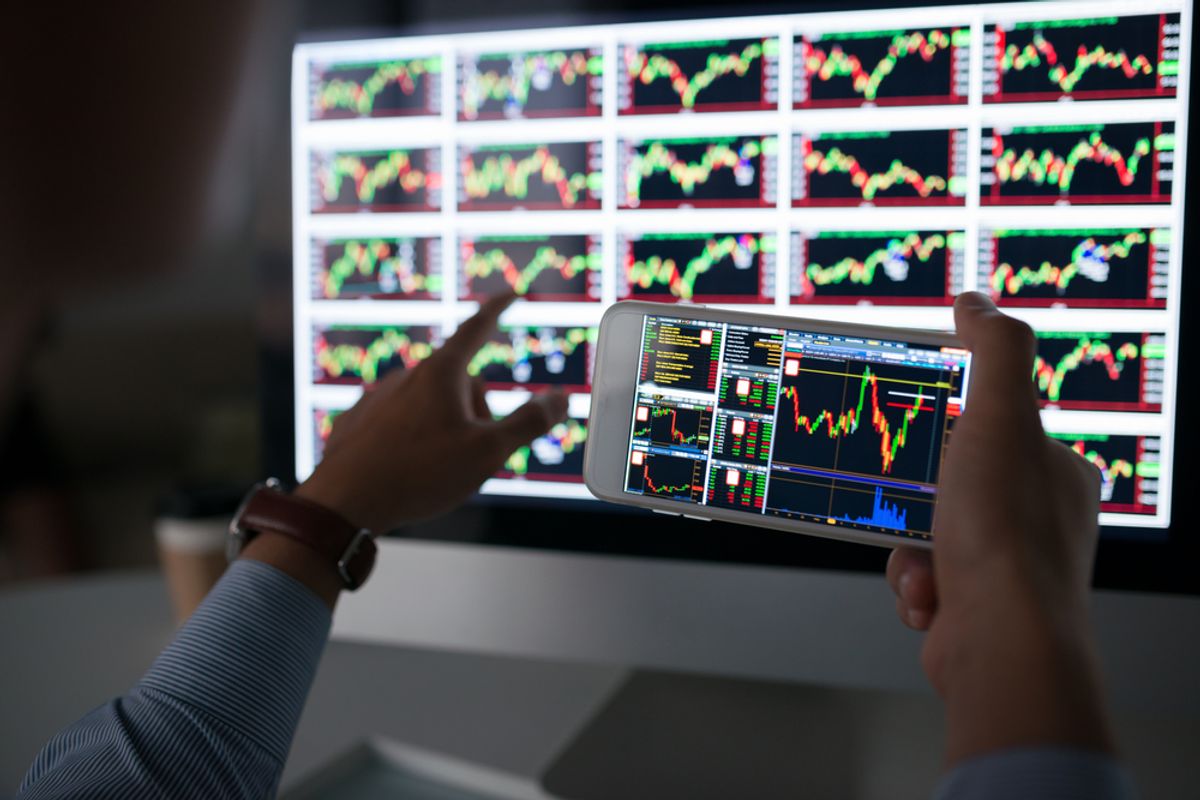
In my journey through the bustling world of cryptocurrency day trading, I’ve come to appreciate the art of scalping. This technique is all about capitalizing on small price changes, aiming to accumulate profits over the course of numerous trades within a day. The essence of scalping lies in the rapid execution of trades, often within seconds or minutes, to snatch those fleeting opportunities that the market presents.
- Scalping requires a keen eye for market inefficiencies and the agility to act swiftly.
- It’s a strategy that demands constant vigilance and a hands-on approach to the trading platform.
- Success in scalping hinges on a trader’s ability to manage risk and make decisions on the fly.
Embracing scalping as a strategy means committing to the screen, ready to make your move at a moment’s notice. It’s not for the faint of heart, but for those who master it, the rewards can be consistent, albeit small, adding up to significant gains over time.
Remember, while scalping can be lucrative, it’s also a high-stakes game that requires a deep understanding of the market and a solid grasp of technical analysis. It’s essential to start small, ensuring that you’re comfortable with the pace and complexity before scaling up your efforts.
Arbitrage and Range Trading for Lower Risk
In my journey through the dynamic world of crypto day trading, I’ve come to appreciate the subtleties of arbitrage and range trading. Arbitrage, as I’ve learned, is a trading strategy whereby price discrepancies for the same token across different exchanges are taken advantage of. It’s a method that requires vigilance and a keen eye for detail, as I constantly scan multiple platforms for those precious moments when a token’s price diverges.
Range trading, on the other hand, is about recognizing the ebb and flow within a set price corridor. I enter buy positions when the price hovers near the lower boundary and sell as it approaches the upper limit. This strategy demands patience and a good grasp of the market’s stable high and low points.
While both strategies aim for lower risk, they cater to different trader profiles. Arbitrage suits those who can act swiftly on price differences, whereas range trading is ideal for traders who prefer a more measured approach, waiting for the market to hit their predetermined support and resistance levels.
Here’s a quick rundown of the key aspects of range trading:
- Identify stable high and low prices to establish the range.
- Enter buy positions at or near the lower range limit.
- Sell positions as the price nears the upper range limit.
- Exercise patience and discipline to adhere to the established range.
High-Frequency and Countertrend Trading for the Experienced
As I delve into the realm of high-frequency trading (HFT), I’m constantly reminded of the precision and speed required to execute this strategy effectively. HFT leverages advanced algorithms to capitalize on minuscule price discrepancies, often within fractions of a second. It’s a game of rapid-fire decisions, where success hinges on the ability to act faster than the market’s blink.
Countertrend trading, on the other hand, is a testament to the contrarian spirit. It’s about identifying the moments when the market’s momentum is overstretched and poised for a reversal. Here, patience is key, as timing the market can be as challenging as it is rewarding. The strategy’s essence lies in recognizing that what goes up must come down, and vice versa.
While both strategies offer unique opportunities for seasoned traders, they come with their own set of challenges. High-frequency trading can rack up significant fees due to the sheer volume of transactions, and countertrend trading requires a keen sense of market sentiment to avoid being caught on the wrong side of a reversal.
To illustrate the contrast between these strategies, consider the following:
- HFT is about exploiting short-term market inefficiencies.
- Countertrend trading involves betting on price reversals after sustained trends.
Both demand a deep understanding of market mechanics and a disciplined approach to risk management. As an experienced trader, I find these strategies to be both exhilarating and intellectually stimulating, constantly testing my limits and my understanding of the markets.
Risk Management and Profit Maximization
Setting Realistic Profit Targets
In the realm of day trading cryptocurrency, I’ve learned that setting realistic profit targets is a cornerstone of risk management. It’s not about chasing the outliers that post astronomical gains; it’s about consistent, attainable growth. To this end, I’ve developed a strategy that hinges on diversification and informed decision-making.
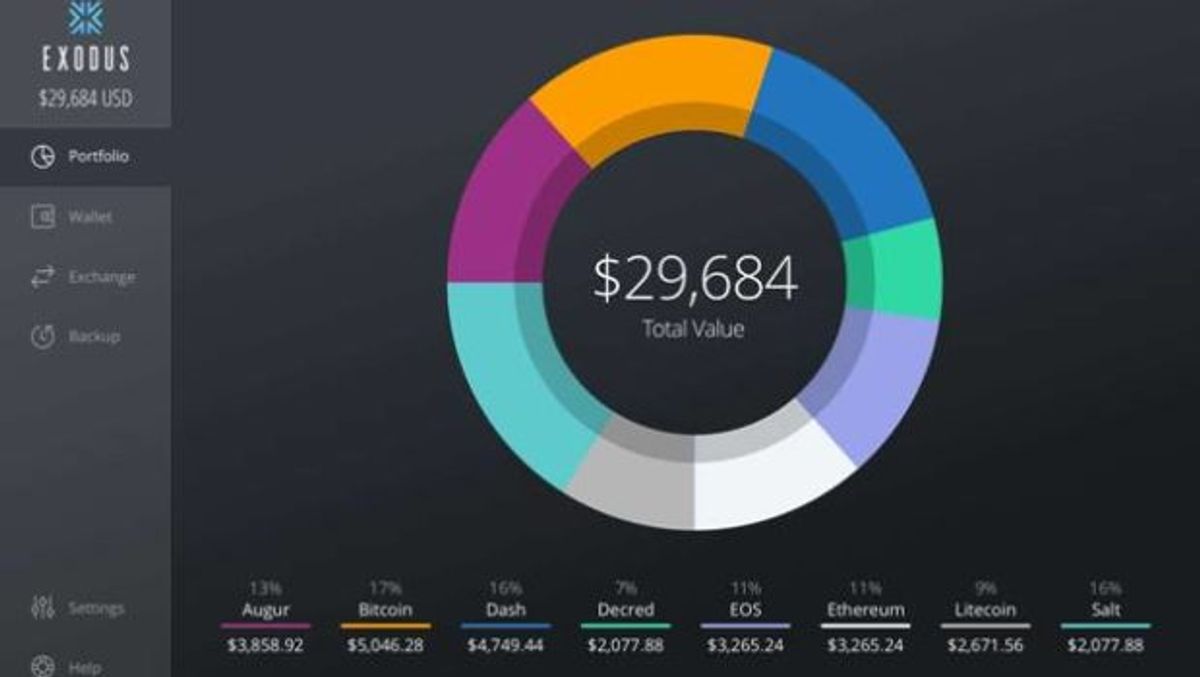
- Diversify investments in altcoins, allocate wisely, monitor and rebalance periodically.
- Timing the market is crucial; however, it’s equally important to set profit targets that align with market trends and personal financial goals.
- Make informed decisions based on technical analysis and market research to foster long-term success.
By adhering to a disciplined approach and setting achievable profit goals, I steer clear of the emotional pitfalls that can lead to hasty decisions and protect my capital for future trades.
Calculated position sizing is another aspect I incorporate into my strategy. Whether it’s a percentage-based approach or a fixed amount, the aim is to contain potential losses and ensure that each trade is a step towards my overall financial objectives.
Balancing the Risk-Reward Ratio
In day trading cryptocurrency, I’ve learned that balancing the risk-reward ratio is pivotal to long-term success. The risk/reward ratio marks the prospective reward I can earn for every dollar I risk on an investment. It’s a principle that guides me in setting stop-loss orders and profit targets to ensure that potential gains justify the risks taken.
Effective capital management is crucial in real-money trading, as it helps me control risk and avoid substantial losses. By setting clear risk parameters and diversifying my investment portfolio, I can mitigate potential downsides. Understanding the fee structure of the trading platform being utilized is essential to optimize profitability.
Calculated position sizing is another cornerstone of my risk management strategy. Choosing conservative investment amounts for each trade helps to manage risk. While this limits potential gains for a given trade, being more cautious can protect my capital for the next opportunity.
Here’s how I apply the percentage risk rule to my trades:
- Determine my account equity (trading capital).
- Decide on a percentage risk rule (e.g., 1% or 2%).
- Set stop-loss orders to contain potential losses within the chosen percentage.
For instance, with a $10,000 trading capital and a 1% risk rule, I can afford to lose $100 on a given trade. This disciplined approach ensures that I focus on potential losses rather than investment amounts, which is key to maintaining a healthy portfolio.
Effective Use of Leverage and Margin Trading
In the realm of day trading cryptocurrency, leverage and margin trading are tools that can significantly boost potential profits. However, they come with a heightened risk profile. Using leverage means that even a small price movement can lead to substantial changes in account equity. For instance, with 10x leverage, a mere 3% shift in price can alter your equity by 30%. This is why it’s crucial to approach leverage with caution and a well-thought-out strategy.
Leverage should be used judiciously, with a clear understanding of the risks involved. It’s not just about the potential for amplified gains; it’s also about the amplified speed at which losses can accrue.
Here are some key considerations for using leverage in crypto day trading:
- Stay cautious of red flags like sudden price spikes and research project teams thoroughly.
- Employ strategies like Dollar-Cost Averaging to mitigate the impact of volatility.
- Secure your investments with measures such as 2FA and maintain good cybersecurity hygiene to protect against scams and frauds.
- Always set stop-loss orders to manage risks effectively.
Remember, successful day trading is often about accumulating many small wins rather than chasing a big score. By managing the amount of capital invested in each trade and setting predefined levels for stop-loss orders, you can better control potential losses and improve decision-making under pressure.
Conclusion: Navigating the Cryptocurrency Day Trading Landscape
Day trading in the cryptocurrency market offers a dynamic and potentially lucrative opportunity for traders who are well-versed in market analysis, risk management, and strategic execution. The strategies discussed in this article, ranging from scalping to more complex approaches like high-frequency trading, cater to various risk appetites and trading styles. However, it’s crucial to remember that despite the allure of quick profits, day trading carries inherent risks due to the volatile nature of the crypto market. As such, traders should approach day trading with caution, armed with a solid understanding of the market, a disciplined trading plan, and a commitment to continuous learning. By doing so, traders can navigate the choppy waters of crypto day trading and increase their chances of success in this fast-paced arena.
Frequently Asked Questions
What is day trading in the cryptocurrency market?
Day trading in the cryptocurrency market refers to the practice of buying and selling digital assets within the same trading day. Traders aim to capitalize on short-term price fluctuations by executing trades based on technical analysis, market trends, and news events.
What are some common strategies for day trading cryptocurrency?
Common strategies for day trading cryptocurrency include scalping for quick profits, arbitrage and range trading for lower risk, and more sophisticated approaches like high-frequency and countertrend trading for experienced traders.
How important is technical analysis in crypto day trading?
Technical analysis is crucial in crypto day trading as it helps traders identify potential entry and exit points through the use of tools like candlestick charts, moving averages, and RSI indicators. It enables traders to make informed decisions based on price movements and chart patterns.
Can day trading cryptocurrency be profitable?
Yes, day trading cryptocurrency can be profitable, but it also carries a high level of risk due to market volatility. Success requires a combination of informed decision-making, disciplined risk management, and the ability to adapt to market changes rapidly.
What role does risk management play in day trading?
Risk management is a critical component of day trading, involving the setting of stop-loss orders to limit potential losses, balancing risk-reward ratios, and setting realistic profit targets. Effective risk management can help traders preserve capital and maximize profits.
Is it advisable for beginners to start day trading in crypto?
Beginners can start day trading in crypto, but it’s recommended to begin with smaller amounts and choose strategies that fit their risk tolerance. They should invest time in learning market analysis, trading techniques, and risk management before trading larger sums.
RELATED POSTS
View all


Navigating The World Of Altcoins: Opportunities For Investors
March 26, 2024 | by Winson Yeung

Implementing Effective SEO Strategies For Online Retailers
April 10, 2024 | by Winson Yeung

Investing In Cryptocurrency: A Beginner’s Guide To Making Money
March 1, 2024 | by Winson Yeung