How AI Is Changing The Landscape Of Digital Marketing
March 7, 2024 | by Winson Yeung
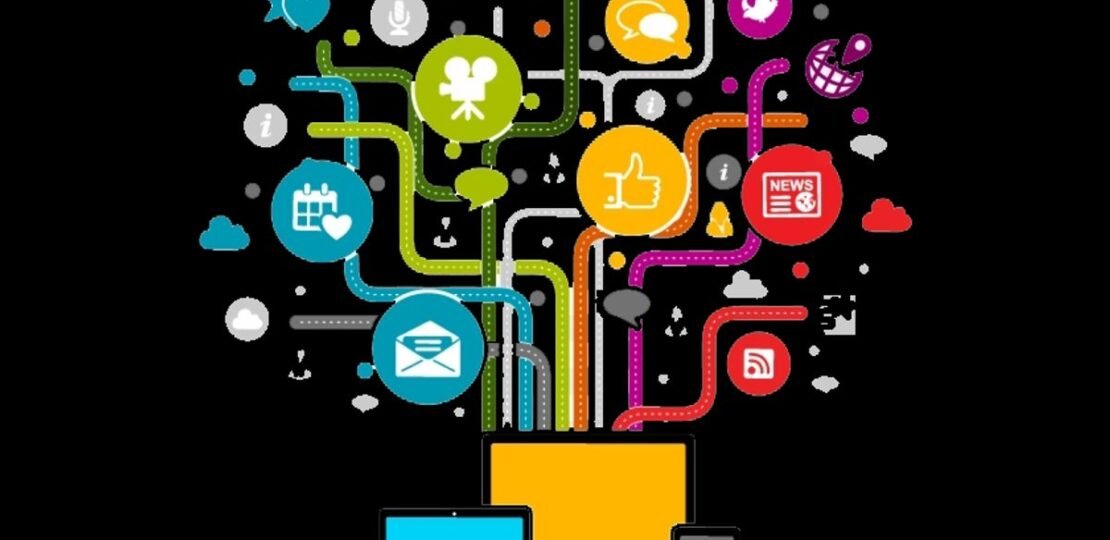
The advent of Artificial Intelligence (AI) has brought about transformative changes across various marketing channels, shifting the dynamics of customer interaction and engagement. AI’s ability to analyze vast data sets and predict user behavior has revolutionized digital marketing, making it more personalized and efficient. As AI continues to evolve, it is crucial for marketers to understand and leverage its potential to stay competitive in the digital landscape.
Key Takeaways
- AI’s integration into digital marketing has led to more accurate data analysis and user behavior prediction, enhancing personalization and efficiency.
- Advancements in AI have allowed for a shift from broad marketing strategies to tailored communications that resonate with individual consumers.
- Social media strategies have been revamped with AI, using advanced algorithms to better understand and engage target audiences.
- AI-powered content creation tools have transformed marketing approaches, offering innovative solutions for diverse needs.
- The future of digital marketing with AI promises innovative engagement, smarter omnichannel strategies, and ethical considerations regarding consumer privacy.
The Evolution of Digital Marketing with AI

From Data Analysis to Predictive Behavior
As I delve deeper into the transformative power of AI in digital marketing, I’ve witnessed a seismic shift from mere data analysis to predictive behavior. The journey begins with the aggregation of vast amounts of consumer data, which is then meticulously analyzed to discern patterns and trends. But the true magic lies in the predictive capabilities of AI.
Predictive analytics, a cornerstone of AI marketing tools, allows us to not only understand but also anticipate customer needs. By leveraging machine learning algorithms, we can forecast future trends and tailor our marketing strategies accordingly. This proactive approach ensures that we stay ahead of the competition and meet our customers where they are most receptive.
The leap from data interpretation to predicting future customer actions is nothing short of revolutionary. It empowers us to move beyond reactive strategies and shape the customer journey in real-time.
Here’s a glimpse into how predictive analytics is reshaping our marketing efforts:
- Predictive Analysis: Forecasts future trends from past and present data, enhancing strategy proactivity.
- Customer Segmentation: Enables precise targeting by identifying distinct customer groups based on behavior.
- Anomaly Detection: Quickly pinpoints outliers in data, signaling potential risks or opportunities.
The implications of this evolution are profound. We’re not just seeing patterns; we’re using them to predict which customers might churn or what products they are likely to purchase next. This level of personalization is the new gold standard in customer acquisition and retention.
Personalization: The New Marketing Standard
I’ve come to realize that personalization is at the heart of AI-driven digital marketing. By harnessing the power of AI, I can create truly personalized experiences for customers, from targeted ads to individualized product recommendations. This isn’t just about enhancing customer satisfaction; it’s about fostering deep brand loyalty in a fiercely competitive market.
The ABCs of artificial intelligence personalization have taught me that AI personalization is the key to happier online shoppers, higher conversion, and an outstanding ecommerce success. It’s a game-changer, allowing me to connect with customers on a personal level. Tailored messages, product recommendations, and offers are now crafted to resonate with individual preferences, leading to increased engagement and improved customer satisfaction.
The power of AI in personalization extends beyond mere convenience. It represents a paradigm shift in how I engage with my audience, ensuring that every interaction is relevant, meaningful, and impactful.
Here’s how AI is revolutionizing personalization in digital marketing:
- Enhanced Personalization: AI’s ability to analyze individual preferences and behavior leads to more engaging and satisfying customer experiences.
- Improved Efficiency: By automating routine tasks, AI allows me to focus on more strategic initiatives, driving productivity and cost savings.
- Measurable and Trackable Results: With AI, I can accurately measure the impact of campaigns and justify marketing investments with clear metrics.
Revamping Social Media Strategies with AI
As I delve into the realm of social media marketing, it’s clear that AI has become an indispensable ally. AI and machine learning are transforming marketing strategies by enhancing customer engagement through personalized experiences, predictive analytics, and conversational AI tools. The shift from a one-size-fits-all approach to a tailored content strategy is not just a trend; it’s a necessity in the age of AI-driven social media.
The integration of AI into social media platforms has made them more intelligent, allowing for a nuanced understanding of user behavior. This data-driven insight is crucial for creating content that resonates and for placing ads that align with user preferences. Here’s how AI is making a difference:
- Personalized content delivery based on user interests and behaviors
- Predictive algorithms to optimize posting schedules
- Real-time analytics tools for measuring campaign success
The era of generalized content is gradually fading, making way for a more personalized and strategic approach to social media marketing. AI’s predictive capabilities ensure that messages reach audiences at the most opportune moments, maximizing engagement and impact.
Embracing these AI-powered tools and strategies is not just about keeping up with the competition; it’s about redefining the way we connect with our audience on social media. The future of social media marketing is here, and it’s powered by artificial intelligence.
AI-Powered Content Creation: A New Era
The AI revolutionizes digital marketing by automating content creation, a task once solely the domain of the human writer. With AI, we’re not just talking about generating generic content; we’re witnessing the rise of sophisticated tools capable of crafting personalized narratives that resonate with specific audiences. This leap forward is not just about efficiency; it’s about the depth and relevance of the content produced.
The potential of AI in content creation extends beyond mere words on a page. It’s about understanding the nuances of language and the intent behind search queries, enabling a level of personalization previously unattainable.
Here’s how AI is making its mark:
- Content Creation: Generating tailored product descriptions, blog posts, and social media updates.
- Email Marketing: Segmenting audiences and personalizing communication to improve engagement.
- Social Media Marketing: Analyzing data to enhance brand presence and audience interaction.
As we embrace this new era, it’s clear that AI is not just an assistant; it’s becoming a core component of the creative process, offering income opportunities and reshaping the way we think about content strategy.
Key AI Technologies Revolutionizing Digital Marketing

Machine Learning and Predictive Analytics
As I delve into the world of digital marketing, I’ve witnessed firsthand how Machine Learning (ML) and Predictive Analytics are transforming the field. These technologies enable us to analyze vast amounts of consumer data, identify patterns, and predict future behavior. The result? A revolution in personalization and decision-making that’s reshaping our strategies.
The synergy between ML and Predictive Analytics allows for a nuanced understanding of consumer behavior. It’s not just about analyzing past actions; it’s about forecasting future needs and desires, enabling us to tailor our marketing efforts like never before.
Here’s a glimpse at how these technologies are applied:
- Predictive Analysis: Leveraging algorithms to forecast trends and anticipate customer needs.
- Anomaly Detection: Identifying outliers in data that may signal potential risks or opportunities.
By integrating these tools, we’re not just reacting to the market; we’re anticipating its movements, enhancing customer engagement, and shaping the future of marketing.
Natural Language Processing for Enhanced Communication
I’ve been fascinated by the way Natural Language Processing (NLP) is revolutionizing content creation in digital marketing. NLP empowers machines to understand and generate human language, making it a game-changer for marketers aiming to optimize their content strategies. By analyzing readability and predicting content appeal, tools like Acrolinx and Atomic Reach are transforming how we approach audience engagement.
The transformative power of NLP lies in its ability to produce content that’s not only grammatically correct but also contextually relevant and engaging. Imagine machine learning models writing product descriptions or news articles with the finesse of a human writer. This is no longer the realm of science fiction; with tools like GPT-3, Grammarly, and Quill, high-quality content creation is being automated, streamlining marketing efforts and freeing up creative minds for more strategic tasks.
The potential of NLP to enhance communication in digital marketing is immense. It’s not just about creating content faster; it’s about creating smarter, more personalized content that resonates with audiences.
Moreover, AI-powered chatbots are using NLP to improve customer engagement and retention rates. Sentiment analysis and real-time insights are just the tip of the iceberg when it comes to understanding public perception and adjusting communication strategies accordingly.
AI in Customer Relationship Management
As I delve into the realm of AI-driven CRM systems, I’m struck by their capacity to transform customer interactions. These systems can craft personalized communication for individual customers, from email marketing to service messages, based on their preferences and behaviors. It’s a game-changer for digital marketing, allowing for a level of personalization that was once unimaginable.
The prowess of AI in automating customer segmentation and targeting is nothing short of revolutionary. By parsing through massive amounts of data, AI segments customers with incredible precision, enabling me to deliver highly personalized marketing strategies. This sophisticated level of segmentation surpasses traditional manual processes in both speed and precision.
The integration of AI into CRM is not just about efficiency; it’s about creating a more meaningful and engaging customer experience.
Here’s how AI enhances CRM:
- Automated customer segmentation: AI algorithms swiftly categorize customers based on various criteria, from demographics to online behavior.
- Predictive analytics: By analyzing historical data and market trends, AI forecasts future outcomes, optimizing campaigns for better results.
- Personalized communication: Targeted ads and service messages are tailored to individual preferences, increasing conversion rates.
Salesforce, a leader in CRM solutions, has been emphasizing the use of AI to enrich customer relationships. The impact is clear: businesses using AI-driven strategies see better ROI, gain valuable insights into customer behavior, and significantly improve customer service.
Programmatic Advertising: AI’s Role in Real-Time Bidding
In the realm of programmatic advertising, AI has become an indispensable ally. AI systems can automate and optimize real-time bidding processes, manage ad inventories, and streamline demand partners. This not only maximizes ad revenue but also ensures that ads reach the most relevant audience at the optimal time. The efficiency brought by AI in this sector is nothing short of revolutionary.
The automation of ad buying and selling, known as programmatic advertising, has been greatly optimized by AI, offering significant improvements in campaign performance and ROI.
AI-powered solutions enable us to optimize bids, tweak ad assets, and adjust strategies based on real-time data. This agility significantly improves campaign performance and ROI. The automation also frees up time for my team to focus on strategic steps, automating repetitive tasks, and leading to better decision-making and more efficient budget allocation.
Here’s a quick look at the impact of AI on programmatic advertising:
- Automated Decision-Making: Facilitating real-time bidding and ad placements.
- ROI Improvement: Achieving higher returns through targeted and effective campaigns.
- Personalized Content: Tailoring ads to individual preferences and behaviors.
- Efficient Budget Allocation: Optimizing the use of resources for maximum engagement.
AI-Driven Digital Marketing: Strategies and Use Cases
Automating Routine Tasks for Efficiency
In my journey through digital marketing, I’ve embraced the power of AI to transform the way I work. AI revolutionizes marketing by automating tasks, enhancing personalization, and optimizing content. It’s not just about working harder, but smarter. By automating routine tasks, I’ve been able to redirect my focus towards more strategic and creative endeavors.
The automation of tasks such as sending emails, posting on social media, and running ad campaigns has been a game-changer. It’s not just about the efficiency gains; it’s about the strategic advantage it provides.
Here’s a glimpse of how AI has streamlined my daily marketing activities:
- Sending targeted emails without manual intervention
- Scheduling social media posts to maintain consistent engagement
- Running paid advertising campaigns with optimized bidding
This shift towards automation doesn’t just save time; it enhances the overall effectiveness of marketing campaigns. The insights gained from AI-driven analytics allow for more informed decisions, leading to improved engagement, brand loyalty, and conversion rates.
Hyper-Personalization in Customer Engagement
I’ve come to realize that the true power of AI in digital marketing lies in its ability to hyper-personalize customer engagement. By analyzing customer interactions in real-time, AI enables us to create highly personalized, contextual, and engaging experiences. This isn’t just about addressing customers by their names or acknowledging their birthdays; it’s about understanding their behaviors, preferences, and needs at a granular level.
The impact of this hyper-personalization is evident in the enhanced engagement rates and customer satisfaction. Here’s a simple breakdown of the benefits I’ve observed:
- Increased engagement: Customers are more likely to interact with content that feels specifically designed for them.
- Improved satisfaction: Personalized experiences make customers feel understood and valued.
- Higher conversion rates: Tailored recommendations and offers lead to better conversion metrics.
The essence of hyper-personalization isn’t just in the data; it’s in the human touch that AI helps to amplify. While AI provides the insights, it’s the marketer’s empathy and creativity that transform these insights into meaningful connections.
As I delve deeper into the world of AI-driven marketing, I’m convinced that the future of customer engagement is hyper-personalized. It’s a future where every customer feels like the only customer, and every interaction is an opportunity to deepen that connection.
AI in SEO: Smarter Keyword Analysis and Content Optimization
The integration of AI into SEO has been nothing short of transformative. AI-driven tools are now indispensable for analyzing vast amounts of data and identifying patterns that can lead to improved search rankings. By leveraging these tools, I’ve been able to optimize content with precision, ensuring that the right keywords are used to match the search intent of my target audience.
- AI enhances content creation and SEO for small businesses, requiring human input for accuracy and personalization.
- AI-driven tools optimize marketing strategies, improve search rankings, and revolutionize social media engagement.
The synergy between AI and SEO is a testament to the power of technology in enhancing digital marketing strategies. It’s not just about the data; it’s about how we use that data to create meaningful interactions.
The rise of AI in content marketing is particularly noteworthy. With 60% of marketers using AI to create and distribute content, it’s clear that AI is not just a passing trend but a fundamental shift in how we approach SEO and content creation. As I continue to navigate this landscape, I’m constantly reminded of the importance of blending AI’s analytical prowess with a human touch to craft stories that resonate and rank well.
Case Studies: Successful AI Marketing Campaigns
Reflecting on the transformative power of AI in digital marketing, I’ve seen firsthand how it reshapes strategies and outcomes. Case studies across various industries reveal the tangible benefits of AI integration. For instance, Netflix’s recommendation engine not only enhances user experience but also significantly increases viewer engagement. Similarly, Nutella’s personalized jar campaign led to a surge in brand interaction and customer delight.
The key takeaway from these success stories is the undeniable impact of AI on customer engagement and marketing efficiency.
Here’s a glimpse into the diversity of AI applications in marketing:
- Nutella: Leveraged AI for a personalized label campaign.
- Netflix: Utilized AI for content recommendations.
- Volkswagen: Improved ad targeting with AI algorithms.
- JP Morgan Chase: Automated ad copywriting, reducing human error and increasing performance.
These examples underscore the importance of embracing AI to stay competitive in today’s digital landscape. The insights gained from these cases are invaluable, guiding us towards more innovative and effective marketing strategies.
AI-Driven Digital Marketing: The Future of Marketing

Innovative Engagement Through AI
As I delve into the world of AI-driven digital marketing, I’m struck by the innovative ways AI is reshaping engagement. AI has enabled a shift from passive customer interactions to dynamic, personalized experiences. By leveraging machine learning, businesses can now predict customer preferences and deliver content that truly resonates.
One of the most exciting aspects is the real-time adaptation of marketing strategies. AI doesn’t just analyze past behavior; it anticipates future actions, allowing for a more proactive approach to customer engagement. Here’s how AI is making a difference:
- Sentiment Analysis: Understanding the emotions behind customer feedback.
- Real-time Insights: Gaining immediate understanding of market trends.
- Predictive Behavior: Anticipating customer needs before they arise.
The key to success in this new landscape is the ability to quickly interpret and act on the vast amounts of data at our disposal. AI is the cornerstone of this capability, transforming data into actionable insights.
The results are clear: businesses that embrace AI in their marketing strategies are seeing improved customer engagement and retention rates. It’s not just about the technology; it’s about how it empowers us to connect with our audience in meaningful ways.
The Role of AI in Omnichannel Marketing
As I delve into the intricacies of omnichannel marketing, it’s clear that AI is the linchpin in creating a seamless customer experience across all platforms. Marketing automation saves time, reduces errors, and enhances multichannel tracking for personalized customer experiences, leading to more efficient workflows and improved engagement. This isn’t just a theory; it’s a reality that’s reshaping how we approach marketing in a digital world.
The integration of AI into omnichannel strategies is not just about efficiency; it’s about crafting a narrative that resonates with customers wherever they are.
AI’s role extends beyond mere automation. It’s about understanding and predicting customer behavior, which allows for the crafting of messages that resonate on a personal level. Here’s how AI is making a difference:
- Data Synthesis: AI algorithms synthesize data from various channels, providing a unified view of customer interactions.
- Behavioral Prediction: By analyzing past behavior, AI predicts future actions, enabling proactive engagement.
- Content Optimization: AI tailors content to fit the context of each channel, ensuring relevance and impact.
The future of marketing lies in the ability to not just reach customers but to understand and grow with them. AI is the compass that guides us through this ever-evolving landscape.
Predicting the Next Big Trends with AI
As I delve into the realm of digital marketing, I’ve come to realize the transformative power of AI in predicting the next big trends. AI’s predictive analytics are not just about understanding customer behavior; they’re about forecasting it. With tools like Albert.ai, I’ve seen firsthand how continuous insights and recommendations can refine marketing campaigns.
The ability to anticipate market trends and customer needs gives us marketers a distinct competitive edge. It’s about making informed decisions that are proactive rather than reactive. For instance, AI’s anomaly detection capabilities allow for the swift identification of outliers in data, which can be crucial for risk management and opportunity spotting.
In the fast-paced digital landscape, staying ahead means embracing AI’s predictive power. It’s not just about the data we have, but about the insights and foresight that AI can provide.
Looking ahead to Digital Marketing Trends 2024, AI stands as a cornerstone for strategy optimization. From customer segmentation to content personalization, AI tools process vast amounts of data to generate actionable insights. These insights are invaluable, driving efficiency, customer engagement, and a boosted ROI.
Ethical Considerations and Consumer Privacy
As I delve into the ethical landscape of AI in digital marketing, I’m acutely aware of the delicate balance between leveraging technology and respecting consumer privacy. One of the key ethical considerations is privacy. With AI algorithms analyzing vast amounts of consumer data, it’s imperative to question how this data is collected and used. This ethical consideration fosters trust between consumers and brands and aligns with global data protection regulations, ensuring that AI’s personalization benefits do not come at the cost of user privacy.
Transparency and accountability in AI-driven processes are critical to maintaining user trust and ensuring ethical standards are upheld in digital advertising.
In the realm of digital advertising, the advent of AI has raised significant concerns regarding data privacy and user consent. The ethical use of AI necessitates a stringent approach to collecting, analyzing, and using consumer data for targeting and personalization. Ensuring user consent is paramount, as is implementing transparent practices that allow users to understand what data is being collected and how it is being used.
Advertisers and platforms must be clear about using AI algorithms in making advertising decisions, including targeting and content delivery. Alongside transparency, accountability for AI decisions is essential. This means having mechanisms to review and adjust AI algorithms when biases or inaccuracies are detected, ensuring that AI contributes positively to the advertising ecosystem without compromising ethical standards or consumer rights.
Embracing AI Solutions in Digital Marketing
Integrating AI into Existing Marketing Frameworks
As I delve into the integration of AI into my marketing frameworks, I’ve realized that it’s not just about adopting new technology; it’s about weaving it into the fabric of my existing strategies. Small businesses can leverage AI tools for personalized marketing strategies, operational efficiency, and customer insights. Selecting the right AI tools and integrating them with existing efforts are key for growth.
To ensure a smooth transition, I’ve outlined a few steps that are crucial:
- Understanding the specific marketing goals and how AI can support them
- Identifying the AI tools that align with these goals
- Gradually implementing AI solutions to complement and enhance current practices
- Monitoring and adjusting strategies based on AI-driven insights and performance data
Embracing AI in digital marketing requires a strategic approach. Entrepreneurs must invest time in understanding how AI tools can align with their business goals and enhance their marketing efforts.
The journey of integrating AI into my marketing efforts has been enlightening. It’s not just about the technology itself, but about the transformative potential it holds for my business. By taking a measured and informed approach, I’m setting the stage for a more efficient and impactful digital presence.
Overcoming Challenges and Resistance to AI Adoption
As I delve deeper into the integration of AI within our marketing strategies, I’ve come to recognize the key challenges that often stand in the way. Data quality and management, as highlighted by Epicor U.S., are significant barriers that can derail AI implementation efforts. Without a solid foundation of high-quality data, AI systems cannot function effectively, leading to suboptimal outcomes.
To successfully adopt AI, it’s crucial to develop a comprehensive strategy that addresses these challenges head-on. This involves fostering a cultural shift towards AI and nurturing a data-first mindset within the organization.
Here are some steps to consider when overcoming resistance to AI adoption:
- Establish a clear AI strategy that aligns with business objectives.
- Educate and train the team on the benefits and workings of AI.
- Start with small-scale projects to demonstrate AI’s value.
- Encourage collaboration between data scientists and marketing professionals.
- Address ethical concerns by ensuring transparency and accountability in AI applications.
Training Marketers for an AI-Driven Future
As we look towards a future where AI is integral to digital marketing, it’s clear that upskilling is essential. Marketers must be equipped with a diverse set of skills to harness the full potential of AI technologies. Here’s a condensed list of the core competencies needed:
- Knowledge of AI-powered tools like ChatGPT
- Proficiency in content creation and generation
- Strong data analysis capabilities
- Expertise in marketing automation
Embracing these skills will not only enhance a marketer’s ability to execute AI-driven strategies but also ensure they remain competitive in a rapidly changing industry.
To effectively integrate AI into marketing teams, a structured approach is necessary. Steps include conducting brainstorming sessions to explore AI’s potential, researching the latest AI marketing tools, and developing comprehensive training programs. By fostering a culture of continuous learning and innovation, marketers can stay ahead of the curve and drive meaningful engagement with their audiences.
Measuring the Impact of AI on Marketing ROI
As I delve into the realm of AI-driven digital marketing, one aspect that stands out is the improved ROI and measurable results. AI’s data-driven approach is a game-changer, providing detailed reporting and analytics that empower me to track the ROI of my marketing campaigns with precision. This enables me to make informed decisions and optimize campaigns for better outcomes.
The impact of AI is not uniform across all marketing channels; it varies significantly. To illustrate, here’s a succinct table reflecting the differential impact of AI on various marketing channels:
| Marketing Channel | Impact of AI |
|---|---|
| Email Marketing | High |
| Social Media | Moderate |
| PPC Campaigns | Very High |
| Content Marketing | High |
Embracing AI in marketing is not just about adopting new technologies; it’s about transforming the way I engage with my audience. It’s about harnessing powerful insights to drive customer engagement and ultimately boost my return on investment.
In the context of AI marketing in 2024, the advancements in AI technology are set to revolutionize how businesses connect with consumers. With AI, the future of marketing is not just a distant dream but a rapidly approaching reality that promises mind-blowing capabilities and results.
Embracing the AI Revolution in Digital Marketing
As we have explored throughout this article, AI is not just a futuristic concept but a present-day reality fundamentally altering the digital marketing landscape. From personalized content creation to predictive analytics and customer engagement, AI technologies are enabling marketers to craft more effective, data-driven strategies. The integration of AI into digital marketing is no longer optional for businesses aiming to remain competitive; it is an imperative. As AI continues to evolve, it will undoubtedly unlock new potentials and drive innovation, compelling marketers to adapt and thrive in this AI-augmented world. The future of digital marketing is here, and it is intertwined with the intelligent machines that are reshaping every aspect of our digital interactions.
Frequently Asked Questions
How is AI transforming the way digital marketing is done?
AI is revolutionizing digital marketing by enabling personalized customer experiences, automating routine tasks, providing predictive analytics, and optimizing content creation and strategy. This leads to more efficient campaigns, better customer engagement, and higher ROI.
What are some key AI technologies used in digital marketing?
Key AI technologies in digital marketing include machine learning for predictive analytics, natural language processing for communication, AI-powered CRM systems, and programmatic advertising for real-time bidding and ad placements.
Can AI help in creating content for digital marketing?
Yes, AI-powered content creation tools are transforming the marketing landscape by generating text, images, and videos that are tailored to the target audience, improving engagement and streamlining content production.
What role does AI play in social media marketing?
AI plays a significant role in social media marketing by analyzing user behavior, enabling targeted content creation and ad placement, and enhancing customer interactions through chatbots and personalized messaging.
How does AI contribute to the personalization of marketing strategies?
AI contributes to marketing personalization by utilizing data analysis to understand individual customer preferences and behaviors, enabling hyper-personalized communication and recommendations that resonate with each user.
What are the ethical considerations when using AI in digital marketing?
Ethical considerations include ensuring transparency in AI-driven decisions, respecting consumer privacy by safeguarding personal data, and preventing biases in AI algorithms that could lead to unfair treatment of certain user groups.
RELATED POSTS
View all



Creative Ways To Make Money Online From Home
March 1, 2024 | by Winson Yeung