

Making Money Online With Freelance Services: A Guide
March 6, 2024 | by Winson Yeung

In the realm of digital employment, freelancing stands out as a beacon of opportunity, enabling individuals to monetize their skills through the boundless potential of the internet. This guide is your compass to navigate the vast freelance landscape, offering a step-by-step approach to kickstart your journey in making money online. From understanding the freelance market to mastering the art of client retention, we’ll cover the essentials to help you establish and grow a successful freelance career.
Key Takeaways
- Freelancing offers a flexible and potentially lucrative way to make money online by capitalizing on your unique skills and expertise.
- Identifying a niche that aligns with your skills and market demand is crucial for setting yourself apart in the competitive freelance marketplace.
- Leveraging online platforms and networking effectively are key strategies for finding and securing freelance opportunities.
- Managing your freelance business requires understanding of setting competitive rates, developing professional contracts, and financial planning.
- Long-term success in freelancing is achieved by delivering exceptional service, continuously expanding your skill set, and implementing effective client retention strategies.
Understanding the Freelance Landscape

Defining Freelance Work
As I navigate the world of freelancing, I’ve come to understand that it’s much more than just a buzzword; it’s a lifestyle choice that offers a unique blend of freedom and responsibility. Freelancers are essentially their own bosses, managing everything from their work hours to billing clients, which starkly contrasts with traditional employment. Unlike employees, freelancers are seen as contractors, not tied to a single company but rather working with multiple clients, often simultaneously.
To thrive in this space, it’s crucial to recognize the diverse types of freelance work available. From writing and design to tech expertise, the spectrum is broad, and finding your place within it requires a keen assessment of your skills and interests. Here’s a glimpse into the variety of freelance roles:
- Writing and Editing
- Graphic Design
- Web Development
- Consulting
- Photography
In my journey, I’ve learned that success hinges on more than just talent; it’s about adaptability and the continuous pursuit of growth. To explore opportunities in areas like remote work, affiliate marketing, and roles that don’t necessarily require a degree, platforms like FlexJobs have been invaluable. They’ve helped me tap into high-demand roles and fostered my skill development, which is indispensable for a thriving freelance career.
The Rise of the Gig Economy
As I’ve navigated the freelance world, I’ve witnessed the explosive growth of the gig economy. It’s a realm where diverse opportunities abound, allowing individuals to craft their digital presence strategically and market their offerings to a target audience. The gig economy has democratized the way we work, enabling us to leverage marketing channels and track performance with unprecedented ease.
- Use platforms like Fiverr for part-time gigs.
- Offer competitive prices to secure initial reviews.
- Deliver quality work to build a strong portfolio.
The key to success in this new economy is to explore avenues for monetization, utilizing IT skills, and creative talents to generate income. Online freelancing is not just about finding a gig; it’s about building a strong profile and maximizing earnings through multiple gigs, including content creation, e-commerce, and online education.
The landscape is ever-evolving, with platforms like TaskRabbit and Handy offering side hustles that complement full-time jobs. It’s a testament to the flexibility and financial growth potential that freelancing provides.
Pros and Cons of Freelancing
As I’ve navigated the freelance world, I’ve come to appreciate the flexibility it offers. Unlike a traditional 9-5 job, freelancing allows me to choose my own hours and work environment, leading to a better work-life balance. This autonomy extends to selecting the projects I’m passionate about and the clients I wish to collaborate with, giving me control over my workload and income.
However, with great freedom comes great responsibility. As a freelancer, I’m essentially running my own business, which means I’m in charge of managing taxes, invoices, and payments. Securing health insurance and investing in necessary software and technology also fall on my shoulders. It’s a balancing act between the perks of autonomy and the duties of self-management.
The allure of freelancing lies in the empowerment it provides, but it’s crucial to stay vigilant about the administrative and logistical challenges that come with it.
Here’s a quick glance at the pros and cons I’ve experienced:
-
Pros:
- Flexibility with work hours and location
- Control over workload and client selection
- Potential for higher income
-
Cons:
- Additional responsibilities like tax and invoice management
- Need to secure personal health insurance
- Investment in necessary tools and software
Identifying Your Freelance Niche

Assessing Your Skills and Interests
As I embark on my freelance journey, the first step is a deep introspection into my skills. Taking inventory of what I excel at is crucial, be it writing, graphic design, or any other talent. This self-assessment is not just about listing my abilities, but also about understanding which of these skills can be monetized and how they align with my interests.
Unveiling my freelance niche begins with identifying my skills and interests. It’s about recognizing where my strengths lie and how they can be transformed into a viable freelance career.
To systematically approach this, I create a simple list:
- My top skills that I’m confident in
- Areas where I have received positive feedback
- Skills I enjoy using and would like to develop further
This list serves as a foundation for my freelance profile and helps me to highlight my offerings to potential clients. It’s essential to remember that clients are looking for specific skills that match their project needs. By aligning my skills with market demands, I position myself as a valuable asset to those seeking my expertise.
Researching Market Demand
As I delve into the freelance world, I’ve learned that understanding market demand is crucial for carving out a successful niche. It’s not just about what I can offer; it’s about what clients are actively seeking. I start by drilling down into specific market segments, as suggested by a Forbes article on finding clients. This approach helps me to tailor my services to areas with a high appetite for freelance work.
To get a clearer picture of the demand, I analyze current job posts and Upwork profiles of top performers in my field. This gives me insights into the skills and expertise that are most sought after. Additionally, I use tools like the Keyword Tool to identify popular search terms related to my services, ensuring that my offerings align with what potential clients are looking for.
By staying attuned to the pulse of the market, I position myself to meet the needs of clients more effectively, which is a cornerstone of freelance success.
Finally, I keep an eye on the types of projects that are being bought frequently. Categories like Logo Design, Social Media Marketing, and SEO are often clear indicators of where the demand lies. This research not only informs my service offerings but also guides my marketing and proposal strategies.
Creating a Compelling Portfolio
As I’ve ventured into the freelance world, I’ve learned that my portfolio is my strongest ally. It’s not just a collection of past work; it’s a testament to my skills and versatility. A diverse portfolio can open doors to new opportunities and showcase my adaptability to potential clients.
Here’s how I make sure my portfolio stands out:
- I include a wide range of work samples to demonstrate the breadth of my capabilities.
- I update it regularly with my latest and best projects.
- I tailor the content to align with the freelance services I’m most passionate about offering.
Remember, your portfolio is your professional narrative. It should tell the story of your freelance journey, highlighting your strengths and the unique value you bring to the table.
Moreover, I’ve realized the importance of leveraging my portfolio to diversify income. By developing e-books, courses, and webinars, I can monetize my knowledge beyond traditional client projects. Utilizing various marketing channels and gig economy platforms, I’ve found new ways to monetize my expertise and grow my freelance business.
Finding Freelance Opportunities
Utilizing Online Platforms
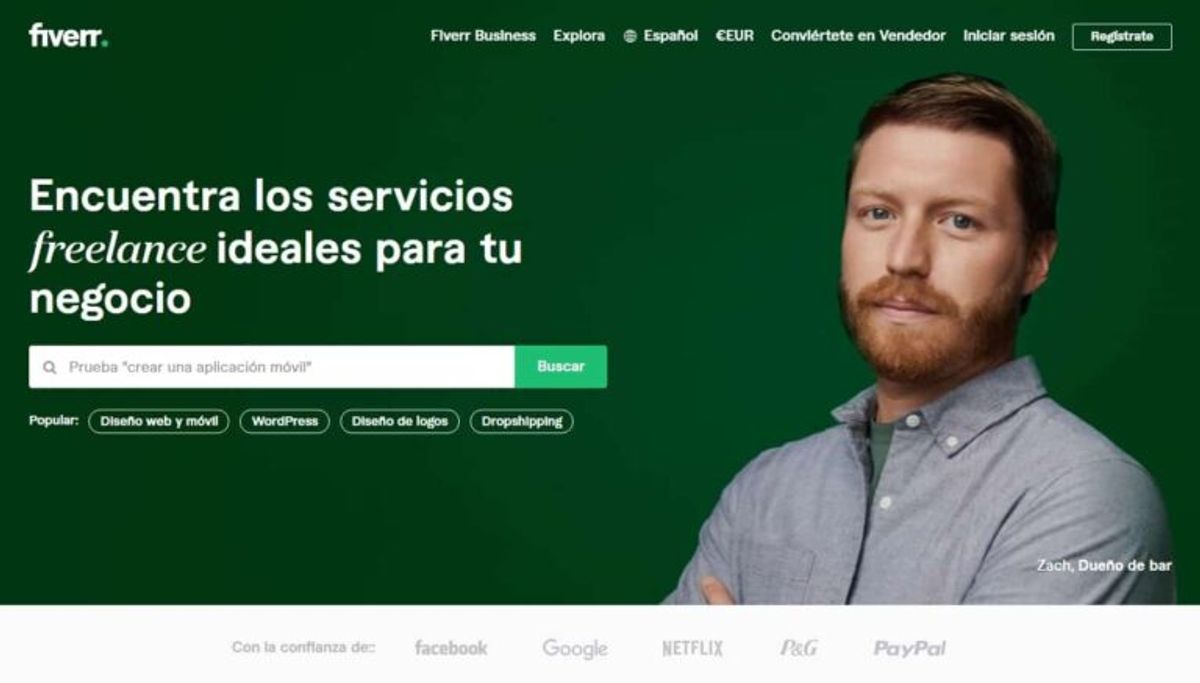
As I ventured into the freelance world, I quickly realized the importance of online platforms as a gateway to a plethora of job opportunities. These platforms, such as Fiverr, Upwork, and Freelancer.com, are bustling marketplaces where clients and freelancers converge. Here, a well-crafted profile and a standout portfolio are your tickets to visibility among potential clients.
To truly excel, it’s crucial to tailor your offerings to the market’s needs. This means regularly updating your portfolio with your latest and greatest work, ensuring it aligns with the freelance jobs you’re targeting.
Navigating these platforms can be overwhelming at first, with a vast array of projects and services being offered. However, by focusing on a niche that resonates with your skills and interests, you can carve out a space for yourself and attract a dedicated audience. For instance, if you’re a writer, platforms like FWJ, highlighted by The Balance as the best place to find freelance writing jobs, can be invaluable.
Here’s a quick list of steps to get started on these platforms:
- Create a polished profile that highlights your expertise.
- Build a compelling portfolio that showcases your best work.
- Research and apply for jobs that match your skills and interests.
- Communicate effectively with potential clients to secure projects.
Networking and Building Relationships
As I’ve delved deeper into the freelance world, I’ve realized that building a strong network is invaluable. It’s not just about who you know; it’s about who knows you and the quality of those connections. To this end, attending networking events has become a staple in my routine. I look for local meetups and conferences related to my niche, always armed with an elevator pitch and business cards. The follow-up is crucial; I make it a point to reach out to any promising leads I encounter.
Building a referral network with other freelancers has also been a game-changer for me. By recommending each other to our clients, we create a supportive community that benefits everyone involved. It’s a proactive approach that has expanded my client base significantly.
Consistency and perseverance have been my mantras as I navigate the freelance landscape. I’ve learned that being communicative and proactive, even if it means stepping out of my comfort zone, is essential for growth. And while technology and social media are powerful tools for reaching a wider audience, nothing beats the personal touch of a well-nurtured relationship.
Crafting Winning Proposals
When I sit down to craft a proposal, I understand it’s more than just a formality; it’s my golden ticket to winning new clients. A proposal is my opportunity to showcase my expertise and how I can solve a potential client’s problem or help them achieve their goals. It’s crucial to strike a balance between being informative and concise.
In my experience, adopting an ‘upside-down proposal’ approach has been beneficial. By addressing any additional questions upfront, I ensure that the most pertinent information is immediately visible to the client. This strategy has often led to more engaging discussions and a higher chance of being noticed.
Persistence is key in the freelance world. It may take numerous proposals before landing that first gig, but each one is a chance to refine and perfect my pitch.
Here’s a simple list I follow to ensure my proposals stand out:
- Personalize the greeting and make sure to use the client’s name.
- Be strategic and answer additional questions first.
- Keep it brief, focusing on how I can help with their specific challenges.
- Market myself as an expert by including relevant experience and skills.
Remember, the goal is to pique the client’s interest enough to start a conversation, not to close the deal on the spot.
Managing Your Freelance Business
Setting Competitive Rates
Determining my rates as a freelancer was a pivotal step in ensuring the sustainability of my business. It’s crucial to find a balance that reflects the value of my work and also fits within the market’s expectations. Initially, I was tempted to set lower rates to attract more clients, but I quickly realized that this could undermine my perceived value and long-term earning potential.
To set my rates, I considered several factors:
- My level of experience and expertise
- The operating costs of running my freelance business
- The going market rate for similar services
Setting rates too low can lead to burnout and undervaluation, while setting them too high might deter potential clients. It’s about finding that sweet spot where your rates are competitive yet fair to both you and your clients.
I also adopted a strategy of reviewing and adjusting my rates periodically. This not only accounts for the growth in my skills and experience but also keeps pace with inflation and changes in the market demand. Here’s a simple framework I use for rate adjustments:
- Assess the feedback from clients and the success of completed projects.
- Compare my rates with industry standards and peers.
- Factor in my increased costs and any new skills acquired.
- Communicate changes transparently with existing clients, providing ample notice.
Developing Professional Contracts
As I’ve navigated the freelance world, I’ve learned that developing professional contracts is not just a formality, but a cornerstone of a successful freelance business. A well-crafted contract sets clear expectations and safeguards both parties involved. It’s a step-by-step guide to ensuring a profitable and protected relationship with your clients.
Here’s what I include in every contract to maintain trust and clarity:
- Scope of Work: Detailing every aspect of the project prevents future misunderstandings.
- Deliverables and Deadlines: Establishing what will be delivered and when.
- Rates and Payment Terms: Clarifying compensation, invoicing schedules, and payment methods.
- Copyrights and Intellectual Property: Defining ownership rights post-delivery.
- Cancellation Policy: Outlining the terms for terminating the agreement.
Remember, a contract is more than a piece of paper; it’s the blueprint for your professional relationship. It’s essential to review your contracts regularly and adjust them as your freelance business grows and evolves.
Securing long-term contracts can be a game-changer for your business. They provide stability and allow you to plan for the future, knowing when you might need to diversify your income streams or ramp up your marketing efforts. Always aim for clarity and fairness in your contracts, and don’t hesitate to seek legal advice when necessary.
Financial Planning for Freelancers
As I navigate the freelance world, I’ve learned that financial planning is crucial for long-term stability. Here’s a snapshot of my approach:
- Track all business income and expenses: I use accounting software to monitor every dollar. This helps me understand my financial health at a glance.
- Estimate quarterly taxes: I set aside funds for taxes to avoid surprises. It’s a non-negotiable part of my routine.
- Understand deductions: I educate myself on what expenses are tax-deductible to maximize my savings.
- Save for retirement: I prioritize contributions to a retirement account, ensuring my future is secure.
Financial discipline is the backbone of a successful freelance career. By separating personal and business finances, paying myself a consistent salary, and keeping meticulous records, I maintain a steady financial course even when my income fluctuates.
I also make it a point to pay taxes on time and consult with an accountant to ensure accuracy. It’s about creating a system that works for me and sticking to it, no matter how tempting it might be to deviate.
Growing Your Freelance Career
Delivering Exceptional Service
In my journey as a freelancer, I’ve learned that delivering exceptional service is the cornerstone of a thriving career. It’s not just about meeting expectations; it’s about exceeding them and leaving a lasting impression on your clients. Here’s how I ensure that my service stands out:
- Ensure client satisfaction with excellent service
- Update clients regularly on project progress
- Learn and grow from client input by seeking feedback
- Be proactive in communication to avoid misunderstandings
By focusing on these key areas, I’ve seen my client relationships strengthen and my referral network expand. It’s a simple formula: satisfied clients lead to repeat business and new opportunities through word-of-mouth.
Staying organized is also vital. I use a variety of tools to keep track of deadlines and responsibilities, ensuring that nothing slips through the cracks. And when it comes to skill development, I’m always on the lookout for new challenges and ways to stay current with industry trends. This commitment to continuous improvement not only benefits my clients but also contributes to my personal growth as a professional.
Expanding Your Skill Set
As I’ve navigated the freelance world, I’ve learned that continuously developing my skills is crucial for staying relevant and competitive. It’s not just about keeping up with industry trends; it’s about being proactive and seeking out new challenges that can enhance my service offerings.
For instance, I started with a strong foundation in writing and graphic design, but I didn’t stop there. I’ve since expanded into web development and social media management, recognizing their flexibility, high demand, and earning potential. Here’s a snapshot of the top skills that have significantly contributed to my full-time online income:
- Writing
- Graphic Design
- Web Development
- Social Media Management
By expanding my services, I’ve opened up new revenue streams and provided more value to my clients. It’s a win-win situation that has not only increased my earning potential but also enriched my professional experience.
I make it a point to list my growing skill set on my profiles across various platforms. This transparency not only showcases my expertise but also aligns with the needs of potential clients. It’s a strategic move that has paid off time and again.
Strategies for Client Retention
Retaining clients is crucial for the growth and stability of my freelance business. Building long-term relationships with clients not only ensures a steady income but also reduces the time and resources spent on acquiring new ones. Here are some strategies I’ve found effective:
- Be proactive in communication: Regular check-ins and updates foster trust and prevent misunderstandings.
- Offer incentives for long-term commitments: Discounts for extended contracts can encourage clients to stay, though it’s important to balance benefits with a fair cancellation policy.
- Set clear boundaries: It’s essential to manage expectations and say no to unreasonable demands while maintaining professionalism.
- Continuously improve: Upgrading my skills ensures that I can offer the best service possible, keeping clients satisfied and engaged.
Smooth collaboration and a focus on client satisfaction are the bedrock of client retention. By being attentive to their needs and delivering exceptional service, I create a positive experience that clients want to return to.
Publicly acknowledging clients who refer others is another powerful tool. A simple shout-out on social media or a mention in a newsletter can go a long way in making clients feel valued and more likely to continue our partnership.
Conclusion
Embarking on a freelance career is an exciting journey into the world of online earning, offering flexibility, variety, and the potential for financial growth. This guide has equipped you with the foundational knowledge to get started, from selecting your niche to showcasing your skills and connecting with clients. Remember, success in freelancing hinges on delivering exceptional service and managing your business with professionalism. With dedication and the right approach, you can transform your freelance endeavor into a thriving online business. Embrace the challenge, leverage the resources available, and join the ranks of successful freelancers making their mark in the digital economy.
Frequently Asked Questions
What exactly is freelance work and how do I get started?
Freelance work involves offering your skills and services to clients on a project or contract basis. To get started, identify your niche, create a portfolio to showcase your skills, and use platforms like Upwork and Fiverr to find clients.
What are the pros and cons of freelancing?
Pros include flexibility, control over your workload, and the potential for a diverse income. Cons can be irregular income, lack of job security, and the need to manage your own taxes and benefits.
How can I identify my freelance niche?
Consider your skills, interests, and market demand. Popular freelance services include writing, graphic design, web development, marketing, consulting, and video production. Choose an area where you excel and enjoy the work.
Where can I find freelance opportunities?
Online platforms like Upwork, Fiverr, and Freelancer are great places to start. Networking, building relationships, and crafting compelling proposals are also key to finding freelance work.
How should I manage my finances as a freelancer?
Develop a system for tracking income and expenses, set competitive rates, save for taxes, and consider creating a financial buffer for slow periods. Financial planning is crucial for freelancers.
How can I grow my freelance career?
Deliver exceptional service, expand your skill set, and employ strategies for client retention. Continuously improving and adapting will help you succeed and grow your freelance business.
RELATED POSTS
View all


Viral Marketing Techniques For Internet Businesses
April 2, 2024 | by Winson Yeung

Utilizing AI To Revolutionize Customer Experience In ECommerce
March 24, 2024 | by Winson Yeung

Creating A Successful Affiliate Marketing Blog From Scratch
March 27, 2024 | by Winson Yeung