

Strategies For Building A Powerful Internet Marketing Funnel
March 25, 2024 | by Winson Yeung
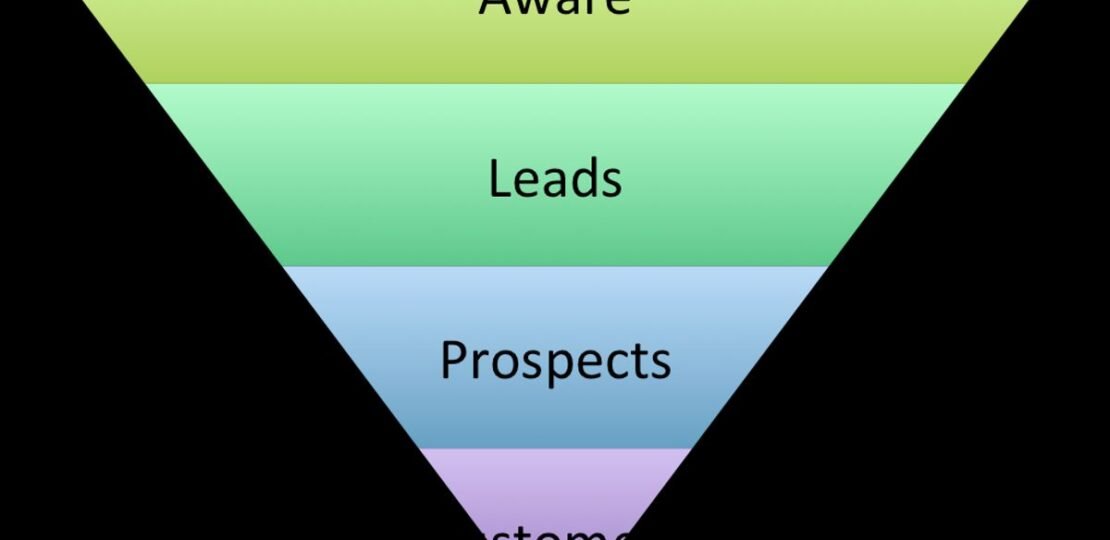
In the fast-paced world of digital marketing, an internet marketing funnel is a vital tool for guiding potential customers through the journey from awareness to purchase. This article delves into various strategies to build a powerful marketing funnel, focusing on leveraging social media, optimizing the digital journey, mastering YouTube, maximizing e-commerce sales, and analyzing and refining your funnel for sustainable growth.
Key Takeaways
- Identify and utilize the most effective social media platforms for your target audience, considering influencer partnerships and targeted ad campaigns to enhance funnel performance.
- Optimize your sales funnel by understanding the customer journey, monitoring key performance indicators, and employing A/B testing to improve conversion rates.
- Develop a YouTube marketing funnel that converts by creating engaging content and leveraging Google’s extensive data to target potential customers effectively.
- Maximize online sales by understanding the anatomy of an e-commerce sales funnel and using tools like Facebook ads to drive targeted traffic and optimize conversion rates.
- Continuously analyze and refine your marketing funnel by using data to make informed improvements, engaging with your audience to build loyalty, and integrating social media with your broader digital marketing strategies.
Leveraging Social Media to Enhance Your Marketing Funnel
Identifying the Right Platforms for Your Audience
In my journey to master internet marketing, I’ve learned that identifying the right platforms for your audience is crucial. It’s not just about being present on social media; it’s about being present where your audience is most engaged and receptive. To do this effectively, I’ve had to dive deep into understanding who my audience is, their pain points, and where they spend their time online.
- Who are they? Understanding their beliefs and aspirations.
- What challenges do they face that my product can solve?
- Where do they hang out online? Which platforms and sources do they trust?
- What content resonates with them and drives action?
Answering these questions has allowed me to tailor my content and engagement strategies to meet the specific needs of each platform’s audience. For instance, my research for a health and fitness website indicated that the primary audience is active on platforms like YouTube, Reddit, Facebook, and Instagram, and they also value blog posts from trusted online publications.
It’s essential to align your tactics with your business goals, audience preferences, and budget. Not every channel will be right for every business, but by focusing on where your audience is already consuming content, you can make more informed decisions about where to allocate your resources.
Understanding the socioeconomics and behavior of my audience has been invaluable. It’s not just about demographics; it’s about lifestyle, online behavior, and the types of content they engage with. This insight helps me adjust my tone, language, and content strategy to appeal to the specific demographic I’m targeting.
Influencer Partnerships and Their Impact on Funnel Performance
I’ve come to realize that influencer partnerships are a cornerstone of modern internet marketing funnels. By collaborating with influencers who are not just promoters but also loyal customers, I can tap into a powerful source of brand advocacy. This creates a ripple effect of trust and community among their followers, which is invaluable for funnel performance.
Here’s a snapshot of how influencer partnerships can enhance a marketing funnel:
- Credibility and trust through association
- Increased reach to targeted, engaged audiences
- Higher conversion rates due to authentic endorsements
- Creation of a community around the brand
Influencers can indeed influence every aspect of the customer journey. By partnering with creators, brands have the golden opportunity to engage with audiences and drive meaningful interactions.
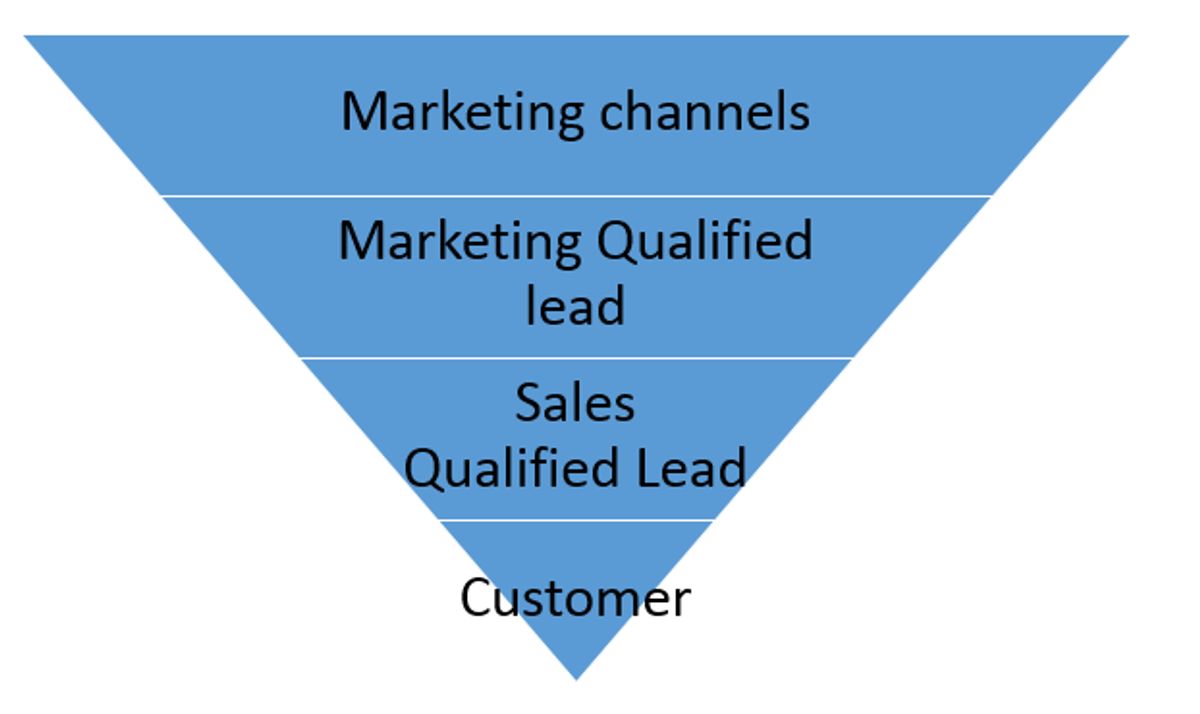
It’s not just about the immediate impact, though. The long-term benefits include sustained traffic and improved conversion rates, as loyal followers of influencers are more likely to become loyal customers of the brand. Employing funnel analytics is crucial in this process, as it helps me understand how leads interact with the content and the paths that lead to conversions.
Crafting Targeted Ad Campaigns for Maximum Reach
When I set out to craft targeted ad campaigns, my focus is on maximizing reach while ensuring that my message resonates with the intended audience. Crafting effective internet marketing campaigns involves choosing the right channels, analyzing audience engagement, and leveraging social media for success. By utilizing platforms like Google Ads and Meta Ads, I can target users based on a myriad of factors such as demographics, interests, and location, ensuring that my ads are seen by those most likely to convert.
Strategic bidding within Google Ads is crucial. It’s not just about the highest bid but understanding the dynamics of CPC and Quality Score to optimize ad spend.
Here’s a quick rundown of the steps I take to ensure my campaigns are on point:
- Analyzing performance data to refine and optimize ads
- Employing strategic bidding to enhance ad placement and effectiveness
- Adjusting bids for high-conversion keywords and trends
By following these steps and continuously monitoring the performance through detailed analytics, I can make data-driven adjustments that lead to better conversion rates and a more robust marketing funnel.
Optimizing the Digital Journey: Tweaking Your Sales Funnel for Better Conversions
Understanding the Digital Yellow Brick Road
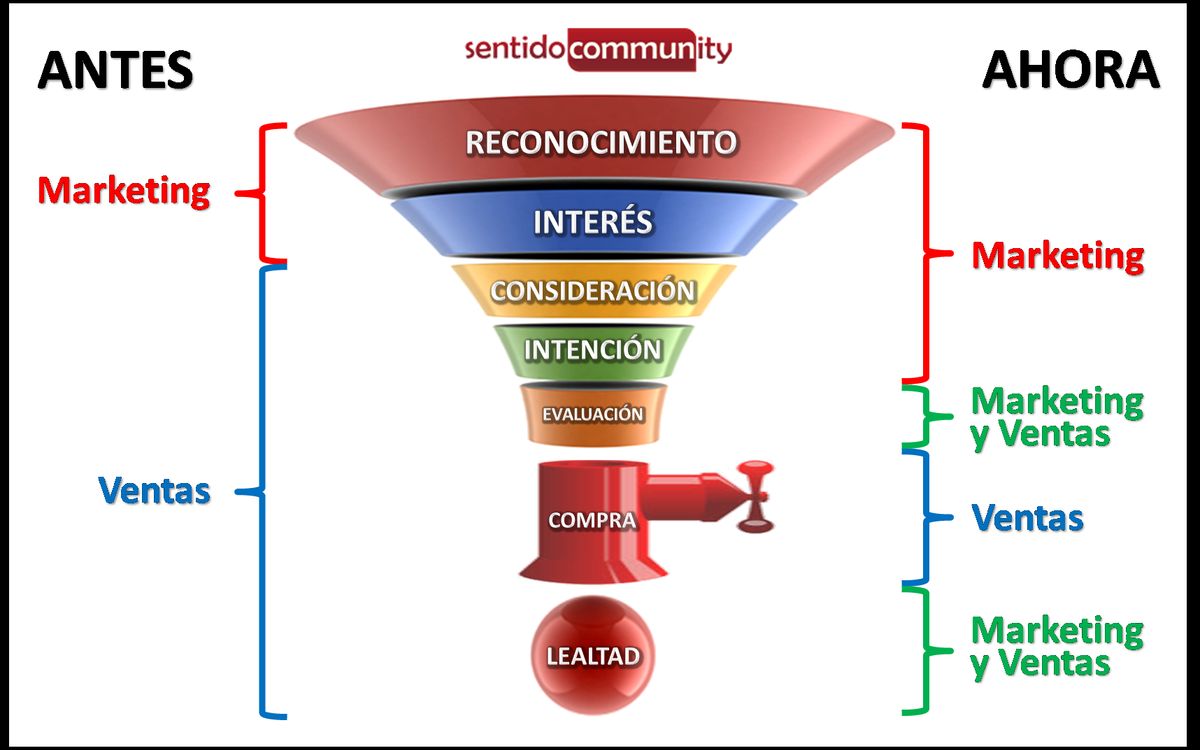
As I delve into the intricacies of the digital marketing landscape, I’ve come to realize that the conversion funnel is more than just a model; it’s the backbone of a successful online strategy. It’s the digital yellow brick road that guides potential customers through their journey, from the first glimmer of awareness to the final act of purchase.
To truly optimize this journey, I’ve learned to identify key stages where engagement might wane or where potential sales could drop off. This isn’t just about throwing content into the digital void and hoping for the best; it’s about crafting a narrative that resonates with the audience at every turn. Here’s a simple breakdown of the funnel stages:
- Awareness: The customer discovers your brand.
- Interest: They start to show curiosity about your products or services.
- Desire: The customer’s interest evolves into a want or need.
- Action: Finally, they take the step to purchase or engage.
By focusing on each stage with a tailored approach, I ensure that no part of the journey feels disconnected or irrelevant. It’s about creating a seamless flow that naturally leads the customer down the path to conversion.
Of course, this is not a set-it-and-forget-it process. I constantly leverage tools like A/B testing to refine and perfect the journey. After all, even the smallest tweaks can lead to significant improvements in engagement and sales.
Key Performance Indicators to Monitor Funnel Health
In my journey to maximize affiliate earnings, I’ve learned that monitoring Key Performance Indicators (KPIs) is essential for maintaining a healthy marketing funnel. These metrics provide a clear picture of where the funnel is performing well and where it needs improvement.
Here are some of the KPIs I keep an eye on:
- Conversion Rates: The lifeblood of any funnel, indicating the percentage of visitors who take the desired action.
- Customer Acquisition Cost (CAC): A measure of the total cost associated with acquiring a new customer.
- Customer Lifetime Value (CLV): The total worth of a customer over the whole period of their relationship.
- Email Open and Click-Through Rates: Indicators of engagement for email campaigns, which are crucial for personalized communication and building trust.
By employing funnel analytics, I gain insights into how leads interact with my content, helping me identify friction points and optimize the paths that lead to conversions.
A/B testing is a powerful tool in this process, allowing me to compare different versions of a funnel stage to find the most effective approach. It’s not just about tweaking; it’s about understanding the behavior of different segments of traffic and adjusting the strategy accordingly.
A/B Testing: Finding the Optimal Path to Conversion
In my quest to perfect the art of the sale, I’ve come to rely heavily on A/B testing. It’s a powerful tool that allows me to compare different versions of a page or element to see which one performs better. By tweaking even the smallest details, like the color of a button or the phrasing of a call-to-action (CTA), I can see real improvements in conversion rates.
The beauty of A/B testing lies in its simplicity and its power. It’s about making informed decisions based on real user data, rather than just going with your gut.
Here’s a quick rundown of how I approach A/B testing:
- Identify the element to test, such as the CTA, layout, or subject line.
- Create two versions (A and B), each with a slight variation.
- Run the test on a small segment of my audience to gather data.
- Analyze the results to determine which version is more effective.
- Implement the winning version for the wider audience.
This methodical approach is essential for optimizing conversion through compelling CTAs and leveraging psychological triggers. It’s not just about what looks good; it’s about what works. And with tools like Unbounce and VWO at my disposal, I can test various elements of my landing pages and website to ensure maximum conversion potential.
Mastering YouTube: Crafting a Funnel That Converts Viewers into Customers

Building a Strong Foundation with Scroll-Stopping Content
In my journey to create a powerful internet marketing funnel, I’ve learned that content is the cornerstone of engagement. It’s not just about having something to say; it’s about saying it in a way that stops the scroll and captures attention. Here’s how I approach crafting content that lays a strong foundation for my YouTube funnel:
- Engage with compelling content: I strive to offer valuable insights and engaging stories that resonate with my audience’s needs and desires.
- Keep it appealing: The design of my content is just as crucial as the content itself. I ensure it’s visually attractive and easy to navigate for a pleasant browsing experience.
- Track metrics: To gauge interest and engagement, I closely examine metrics like time on site and page views.
Every piece of content serves as a beacon, attracting visitors and fostering a level of engagement that goes beyond superficial interactions.
I make it a priority to ensure that my website and blog are designed to give visitors the best experience possible. The first impression is the most important one, so I invest in making sure my web presence is top-notch. Remember, your content is the voice of your brand, and it should clearly communicate your message in a way that resonates with your audience.
The Step-by-Step Guide to a Winning YouTube Funnel
Crafting a successful YouTube funnel is essential for turning viewers into loyal customers. The key is to create a funnel that resonates with your audience and guides them smoothly from discovery to purchase. Here’s a concise guide to get you started:
-
Top of Funnel: Building Awareness
- Create your YouTube channel and post engaging content.
- Optimize your videos for SEO to generate views.
- Run targeted ads to boost your video reach.
-
Middle of Funnel: Capturing Leads
- Use your videos to highlight the value of your lead magnets.
- Offer lead magnets on your website to capture contact information.
-
Bottom of Funnel: Converting Leads
- Develop an email series tailored to your subscribers’ interests.
- Present compelling offers to convert subscribers into customers.
Remember, YouTube success requires not just engaging content, but also effective monetization strategies and a clear point of differentiation from competitors.
By following these steps and consistently adapting your strategy, you can build a brand on YouTube that not only captures attention but also drives conversions. It’s important to note that while YouTube can be a powerful platform, diversifying your online presence, such as creating a separate website, can further enhance your brand’s reach and resilience.
Leveraging Google’s Data to Drive YouTube Funnel Success
Harnessing the power of Google’s vast data resources is a game-changer for optimizing your YouTube funnel. Track insights to inform content strategy with audience-focused educational content. By tailoring messaging based on demographics, we can create a more personalized experience for viewers. Experimenting with new formats and revenue streams can lead to profitable growth.
The key to a successful YouTube funnel lies in understanding and applying the insights derived from Google’s analytics. This means not just looking at the numbers, but interpreting them to make informed decisions about content creation and audience targeting.
Here’s a simple breakdown of how to use Google’s data effectively:
- Analyze viewer demographics to tailor content.
- Monitor watch time and drop-off rates to refine video engagement.
- Test different calls-to-action to see what resonates with your audience.
- Use A/B testing for thumbnails and video titles to increase click-through rates.
E-commerce Funnel Mastery: Tips for Maximizing Online Sales

The Anatomy of an Effective E-commerce Sales Funnel
When I dissect the anatomy of an effective e-commerce sales funnel, I focus on creating a seamless path from discovery to purchase. The goal is to guide potential customers through a journey that not only informs but also excites them about the products or services offered. To achieve this, I consider several crucial elements:
- A clear and compelling value proposition
- Intuitive navigation and user-friendly store design
- Detailed product descriptions with high-quality images
- Multiple payment options to reduce friction at checkout
- Trust signals such as customer reviews and security badges
By meticulously crafting each stage of the funnel, I ensure that every touchpoint is optimized for conversion. This means not just attracting visitors, but converting them into loyal customers who will return for more.
It’s essential to remember that the funnel isn’t just about the initial sale. Post-purchase engagement is key for fostering repeat business and referrals. This is where excellent customer service and a solid digital marketing strategy play pivotal roles. By continuously analyzing and refining the funnel, I stay ahead of the curve, ensuring that my e-commerce platform remains competitive and customer-centric.
Optimizing Conversion Funnels for Desired Outcomes
When I delve into the world of e-commerce strategies, I’m always looking for ways to boost online sales. A key aspect of this is optimizing conversion funnels to ensure a smooth customer journey from awareness to purchase. This involves a variety of tactics, from checkout optimization to on-site marketing, all aimed at enhancing the user experience (UX).
To achieve the desired outcomes, I focus on several areas:
- Checkout optimization to reduce cart abandonment
- On-site marketing tactics like upselling and cross-selling
- Search Engine Optimization (SEO) to increase organic traffic
- Social media and email marketing for targeted campaigns
By continuously refining these elements, I create a funnel that not only attracts but also retains customers, leading to increased sales and brand loyalty.
Remember, the goal is to keep the audience engaged at each stage of their journey. This means tailoring communication with BOFU-specific emails and ads, and making sure the offerings are irresistible. It’s a continuous journey, but with the right approach, the conversion funnel becomes a powerful tool for success.
Facebook Ads: A Tool for Targeted Traffic Generation
I’ve discovered that Facebook Ads are an indispensable asset for driving targeted traffic to your e-commerce site. With its vast user base, Facebook offers unparalleled opportunities to pinpoint your ideal customers. Here’s how I make the most of Facebook Ads:
- Define your target audience: Start by identifying demographics, interests, and behaviors that align with your brand.
- Craft compelling ad copy: Your message should resonate with your audience and encourage them to act.
- Optimize for conversions: Use Facebook’s robust analytics to track performance and tweak your ads for better results.
By consistently refining your Facebook Ads strategy, you can significantly amplify your online presence and boost conversions.
Remember, the goal is to not just attract visitors, but to convert them into loyal customers. This means going beyond mere traffic generation and focusing on creating a seamless user experience that guides visitors through your sales funnel. It’s about crafting a journey that’s as frictionless as possible, from the first click to the final purchase.
Analyzing and Refining Your Funnel: The Key to Sustainable Growth
Utilizing Data to Drive Funnel Improvements
As I delve into the intricacies of my marketing funnel, I’ve learned that data is the compass that guides my decisions. By employing funnel analytics, I can pinpoint where potential customers lose interest and where they convert, allowing me to identify points of friction and understand the paths that lead to conversions. This insight is crucial for optimizing conversion rates and elevating the customer experience.
The journey to conversion domination is an ongoing quest. Regularly analyzing and refining the funnel is not just a task—it’s a commitment to growth and customer satisfaction.
Here’s a simple breakdown of the steps I take to utilize data effectively:
- Monitor the effectiveness of marketing efforts.
- Refine website user experience based on insights.
- Craft messages and offers that resonate with the audience.
- Optimize regularly for maximum conversion rate optimization (CRO).
Remember, a better conversion funnel leads to more clicks and, ultimately, greater success. It’s about making informed decisions that are backed by solid data, ensuring that every marketing move is strategic and impactful.
Engaging with Your Audience for Community and Loyalty
Building a community around your brand is not just about sharing content; it’s about fostering a two-way street of communication. Actively listening and responding to your audience can transform casual followers into loyal advocates. By analyzing demographics and crafting relevant content, we can develop tailored strategies that resonate with our audience and encourage interactive engagement.
Engagement is the lifeblood of community building. It’s not just about numbers; it’s about the quality of interactions and the relationships we nurture.
Here are some strategies to enhance audience engagement:
- Personalize the journey: Ensure each interaction is tailored to the user’s preferences and past behavior.
- Cultivate loyalty: Introduce loyalty programs and regular engagement tactics to maintain brand relevance.
- Rekindle interest: Develop specific strategies for customers who may skip initial funnel stages to quickly reignite their interest.
Leveraging data-driven insights is crucial for audience retention and should be a cornerstone of your internet marketing strategy. By engaging with our audience, we not only build a community but also lay the groundwork for sustainable growth.
Integrating Social Media with Broader Digital Marketing Strategies
In my journey as an internet marketer, I’ve learned that social media is not a standalone tool, but a pivotal part of a comprehensive digital marketing strategy. It’s about creating a seamless experience for users as they move from one platform to another, ensuring that each touchpoint reinforces the brand message and drives them further down the sales funnel.
To effectively integrate social media, I focus on a few key areas:
- Understanding the unique attributes of each social media platform and tailoring content accordingly.
- Synchronizing social media efforts with SEO, PPC, and email marketing campaigns.
- Utilizing advanced targeting options to create highly personalized ad experiences.
By weaving social media into the fabric of a broader digital marketing strategy, I can build relationships, foster community, and increase brand loyalty.
Moreover, it’s crucial to monitor the performance of social media within the context of the overall marketing mix. Here’s a simple table that I use to keep track of key metrics across different channels:
| Channel | Engagement Rate | Conversion Rate | ROI |
|---|---|---|---|
| Social Media | High | Medium | Varies |
| SEO | Medium | High | High |
| Low | High | High |
This table helps me quickly assess where to allocate resources for the best return on investment. Remember, the goal is to create a cohesive and omnipresent marketing ecosystem that resonates with your audience at every stage of their digital journey.
Conclusion
In the journey to build a powerful internet marketing funnel, we’ve explored various strategies that can transform the way you attract, engage, and convert your audience. From leveraging social media platforms with tailored tactics like influencer partnerships and targeted advertising to optimizing your sales funnel with digital marketing techniques, the path to a successful funnel is multifaceted. Understanding the nuances of platforms like YouTube, which boasts a vast audience, can significantly amplify your marketing efforts. Remember, your online business already has a funnel; it’s about refining it to maximize conversions. By consistently monitoring, adjusting, and integrating your strategies across different channels, you can create a cohesive and effective marketing funnel. As you implement these strategies, keep in mind that the ultimate goal is to guide potential customers down your digital Yellow Brick Road, leading them to the Emerald City of conversion.
Frequently Asked Questions
How can social media platforms improve my sales funnel effectiveness?
Employing strategic methods tailored for each platform, such as influencer partnerships and targeted advertising, can significantly enhance your sales funnel’s performance.
What should I consider when optimizing my sales funnel for better conversions?
Think of your sales funnel as a digital Yellow Brick Road, guiding potential customers toward conversion. Monitor key performance indicators and employ A/B testing to find the optimal path to conversion.
Why is focusing on YouTube important for my marketing funnel?
YouTube has an active audience of 2 billion people, and Google reports that 70% of users have made a purchase after seeing a product on the platform, making it a vital channel for converting viewers into customers.
What are some tips for maximizing online sales through my e-commerce funnel?
Optimize the conversion funnel for desired outcomes, such as leveraging Facebook ads to generate more targeted traffic, and ensure you have an effective e-commerce sales funnel structure.
How do I analyze and refine my marketing funnel for sustainable growth?
Utilize data to drive funnel improvements, engage with your audience to foster community and loyalty, and integrate social media with broader digital marketing strategies.
Can you give an overview of the stages in a YouTube marketing funnel?
The YouTube marketing funnel typically includes building awareness by creating a channel and posting videos, capturing contact info with lead magnets, and nurturing leads to conversions with strategies like email series and targeted offers.
RELATED POSTS
View all

Local SEO Strategies For Small Businesses
March 6, 2024 | by Winson Yeung
Advanced Techniques For Growing Your Email Subscriber List
March 28, 2024 | by Winson Yeung

Blogging And SEO: Writing Content That Ranks
March 2, 2024 | by Winson Yeung